MP's 4 Heritage Sites Enter UNESCO Tentative List
Synopsis
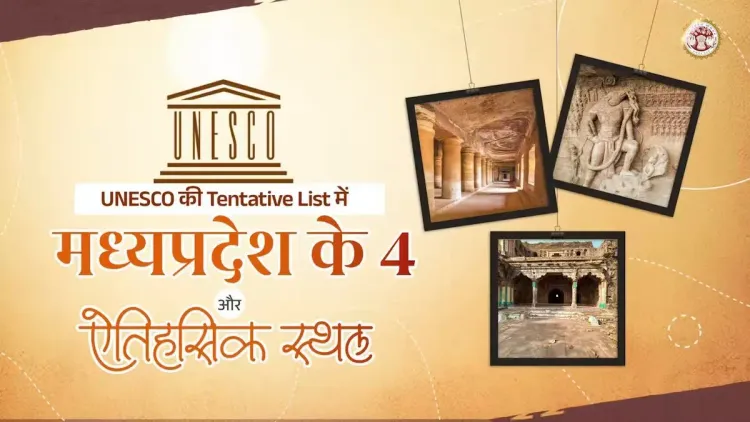
Four Madhya Pradesh sites — Bagh Caves, Ginnorgarh Fort, Chambal Valley Temples and Udayagiri Caves — have been added to UNESCO's Tentative List, the required first step toward full World Heritage inscription, the Chief Minister's Office announced on 30 September 2026.
Key Takeaways
Four sites added: Bagh Caves (Dhar), Ginnorgarh Fort (Sehore), Chambal Valley Temples (Morena), and Udayagiri Caves (Vidisha) are now on UNESCO's Tentative List.
First step only: Tentative List placement is a mandatory prerequisite for full World Heritage nomination — not a confirmation of inscription.
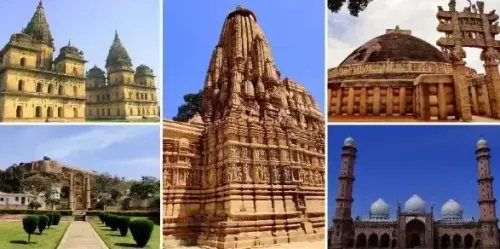
Existing MP portfolio: Madhya Pradesh already holds two inscribed UNESCO World Heritage Sites — Khajuraho (1986) and Sanchi (1989).
Historic range: The four sites span the Gupta era to medieval times, encompassing Buddhist, Hindu, Jain, and military architectural traditions.
Government push: The announcement aligns with CM Dr.
Mohan Yadav's stated focus on heritage and tourism promotion in the state.
Next milestone: Formal nomination dossiers with conservation management plans must be filed for the sites to advance toward full World Heritage evaluation.
Four of Madhya Pradesh's most storied historical sites have earned a place on UNESCO's Tentative List — the formal first step on the long road to full World Heritage inscription. The Chief Minister's Office of Madhya Pradesh announced the recognition on Wednesday, 30 September 2026, framing it as a new global identity for the state's ancient legacy.
The four sites now on the global radar
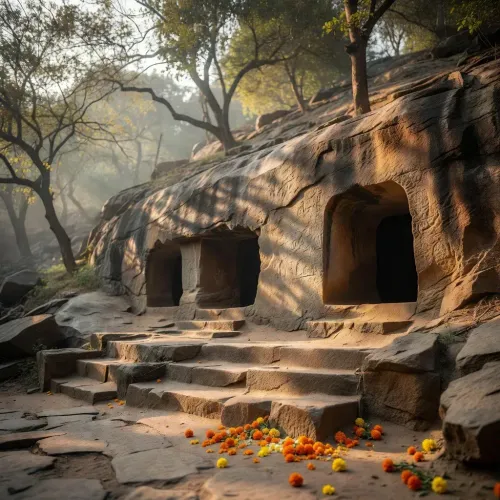
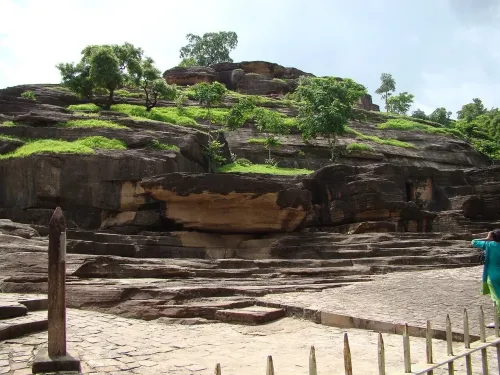
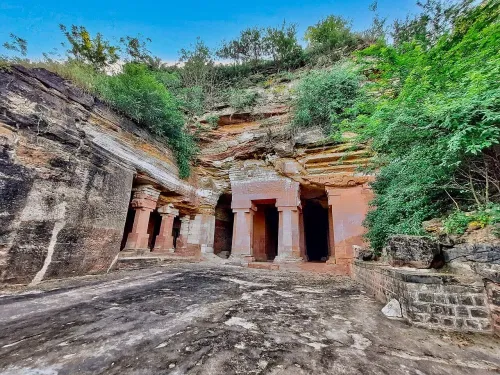
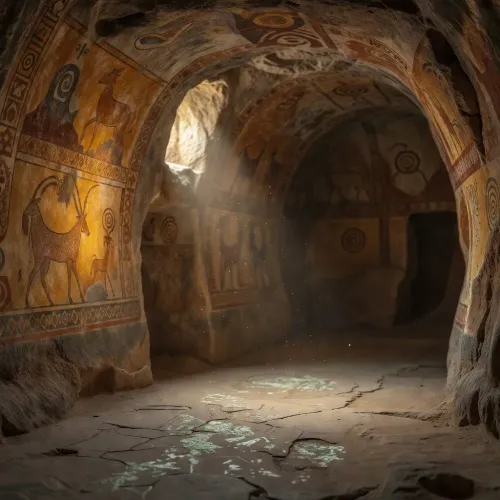
The sites span centuries and styles. The Bagh Caves in Dhar district are 5th–7th century Buddhist rock-cut caves celebrated for their exquisite murals — often compared in artistic depth to those at Ajanta. Udayagiri Caves in Vidisha are a Gupta-era complex of rock-cut shrines carrying some of the finest early Hindu and Jain sculpture on the subcontinent.
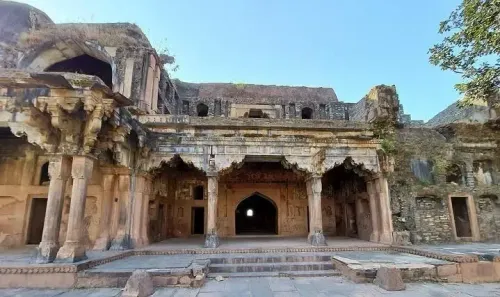
The Chambal Valley Temples in Morena district represent a dense grouping of medieval Hindu temples along one of India's wildest river corridors. And Ginnorgarh Fort in Sehore stands as a testament to the region's medieval defensive ingenuity — less celebrated than its peers but no less significant in the architectural record of central India.
MP's growing UNESCO portfolio
Madhya Pradesh already holds two fully inscribed UNESCO World Heritage Sites: the Khajuraho Group of Monuments, recognised in 1986, and the Buddhist Monuments at Sanchi, inscribed in 1989. The addition of these four sites to the Tentative List signals a deliberate push by Chief Minister Dr. Mohan Yadav's government to widen the state's heritage footprint on the world map — moving beyond the two iconic names that have long anchored MP's cultural tourism pitch.
Placement on the Tentative List is a prerequisite under UNESCO rules before any site can be formally nominated for World Heritage status. It is not a guarantee of inscription, but it is the gate that must be opened first.
What recognition at this scale means for local communities
For the archaeology departments, local communities, and heritage tourism circuits surrounding Dhar, Sehore, Morena, and Vidisha, Tentative List status can unlock conservation attention and infrastructure investment even before full inscription arrives. International visitor footfall, academic and archaeological interest, and state government budget prioritisation tend to follow the UNESCO signal.
The watch now is whether Madhya Pradesh moves swiftly to file formal nomination dossiers for these sites — a process that demands detailed documentation, conservation management plans, and demonstrated protection under domestic law. The richer that process, the sooner the world may formally ratify what the state already knows: that central India's heritage runs far deeper than any single monument.
Point of View
Hindu, Jain, and medieval — in a single announcement reflects a strategic effort by the Yadav government to recast Madhya Pradesh's heritage identity beyond the famous Khajuraho-Sanchi duopoly. Tentative List additions are a soft-power play: they generate international scholarly attention and tourism pipeline well before formal inscription. The pattern mirrors moves by other heritage-rich states to convert archaeological abundance into economic and diplomatic capital. The real test will be whether the government invests in the conservation management plans that UNESCO nomination dossiers demand — documentation and protection that benefit the sites regardless of whether full inscription follows.
NationPress
30 Sept 2026
Frequently Asked Questions
Which four Madhya Pradesh sites have been added to UNESCO's Tentative List?
The four sites are the Bagh Caves in Dhar district, Ginnorgarh Fort in Sehore, the Chambal Valley Temples in Morena, and the Udayagiri Caves in Vidisha.
What is UNESCO's Tentative List and why does it matter?
UNESCO's Tentative List is a mandatory first step: a country must place a site on this list before it can formally nominate it for full World Heritage inscription. Being on the list boosts a site's international visibility and can attract conservation investment.
How many UNESCO World Heritage Sites does Madhya Pradesh already have?
Madhya Pradesh has two fully inscribed UNESCO World Heritage Sites — the Khajuraho Group of Monuments (1986) and the Buddhist Monuments at Sanchi (1989).
What are the Bagh Caves famous for?
The Bagh Caves in Dhar district are 5th–7th century Buddhist rock-cut caves renowned for their detailed painted murals, often ranked alongside the Ajanta paintings in artistic importance.
Does Tentative List status mean these sites will definitely become World Heritage Sites?
No. Tentative List inclusion is a prerequisite, not a guarantee. The state government must then prepare a formal nomination dossier — including conservation plans and legal protection evidence — before UNESCO evaluates the site for full inscription.