Shivraj Singh Chouhan Hails MP Sites Added to UNESCO Tentative List
Synopsis
Ginnorgarh Fort, Bagh Cave Paintings, Udaigiri Caves, and Chambal Valley temples have been added to India's UNESCO Tentative List. Union Agriculture Minister Shivraj Singh Chouhan, a former four-term Madhya Pradesh Chief Minister, hailed the move as a proud moment for the state and its residents.
Key Takeaways
Four Madhya Pradesh sites — Ginnorgarh Fort, Bagh Cave Paintings, Udaigiri Caves, and Temples of the Chambal Valley — have been added to India's UNESCO Tentative List .
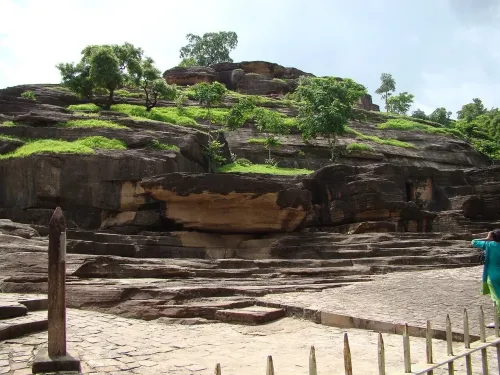
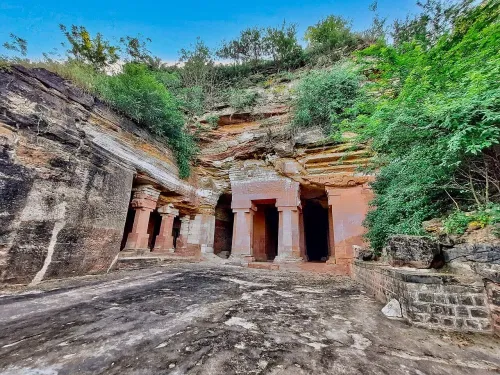
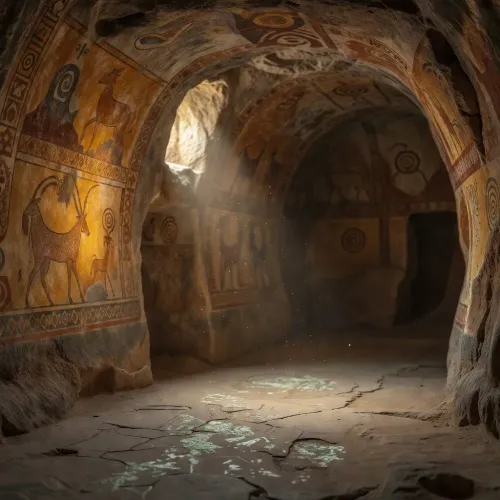
The Bagh Cave Paintings in Dhar district date to the 5th–7th century CE ; the Udaigiri Caves near Vidisha feature Gupta-period sculptures from the 4th–5th century CE .
A UNESCO Tentative List entry is a formal prerequisite before India can submit a full nomination dossier for World Heritage inscription.
Madhya Pradesh already holds two inscribed UNESCO World Heritage Sites: Sanchi (1982) and Khajuraho (1986).
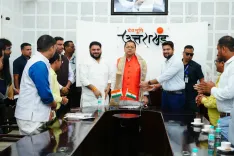
Union Minister Shivraj Singh Chouhan , a four-term former Chief Minister of Madhya Pradesh, described the recognition as 'a moment of huge pride and joy.'
Four sites from Madhya Pradesh — Ginnorgarh Fort, Bagh Cave Paintings, Udaigiri Caves, and the Temples of the Chambal Valley — have been added to India's UNESCO Tentative List, a milestone that Union Agriculture Minister Shivraj Singh Chouhan called 'a moment of huge pride and joy' in a post on X on Tuesday, September 29, 2026. For a state that already wears Sanchi and Khajuraho as global badges of honour, this is one more layer on a legacy that stretches back millennia.
Four Sites, Four Centuries of Forgotten Brilliance
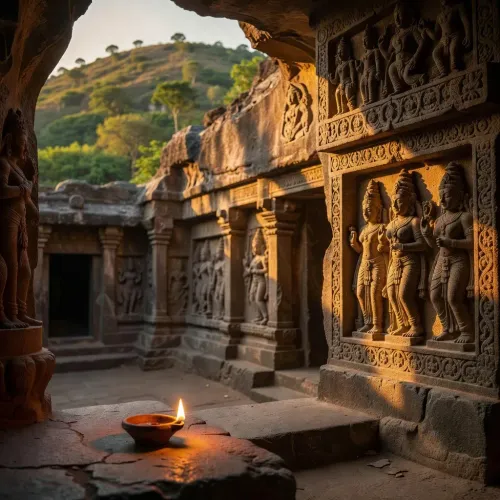
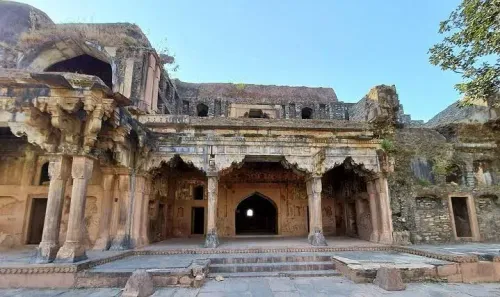
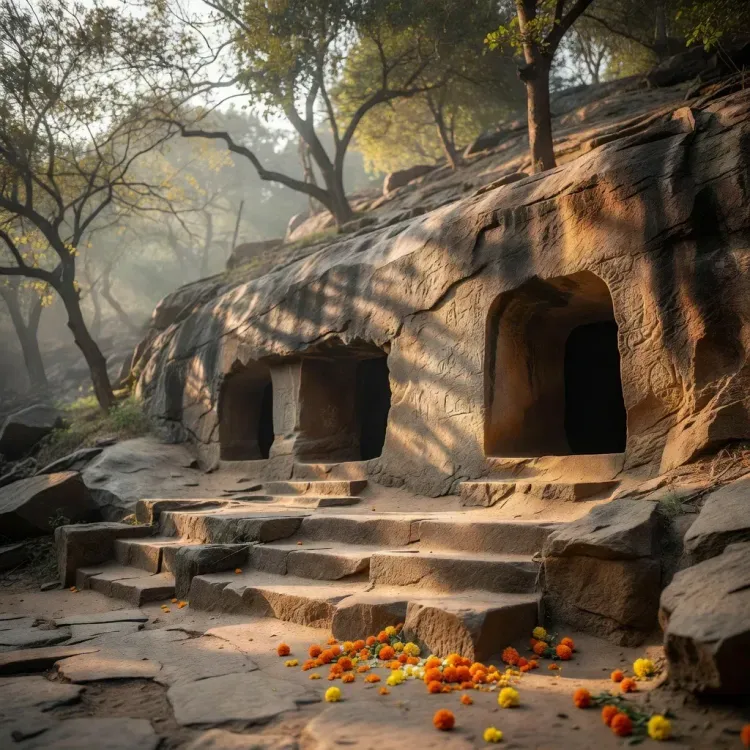
Each of the four newly listed sites tells a distinct chapter of the subcontinent's story. The Bagh Cave Paintings in Dhar district are Buddhist rock-cut murals dating to roughly the 5th to 7th century CE — a tradition of wall painting scholars place in the same breath as Ajanta. The Udaigiri Caves near Vidisha carry some of the finest Gupta-period Hindu and Jain sculptures from the 4th and 5th centuries CE, carved directly into a sandstone hillside. Ginnorgarh Fort and the Temples of the Chambal Valley add medieval military architecture and riverine devotional culture to a portfolio that is anything but one-dimensional.
Madhya Pradesh is already home to two UNESCO World Heritage Sites — the Group of Monuments at Sanchi (inscribed 1982) and the Khajuraho temples (inscribed 1986). The Tentative List is the formal ante-room to that distinction: a site must appear on it before India can submit a full nomination dossier to the UNESCO World Heritage Committee.
What 'Tentative List' Actually Means for These Sites
A UNESCO Tentative List entry is not a World Heritage inscription — but it is the essential first step. India has been steadily expanding this list to surface lesser-known regional heritage alongside its established icons. Madhya Pradesh's Group of Monuments at Mandu, for instance, was added to the Tentative List as far back as 1998. The process that follows involves preparing detailed nomination dossiers, site-management plans, and impact assessments before the committee formally considers a candidacy.
Chouhan, a four-term former Chief Minister of Madhya Pradesh who governed the state for nearly two decades, framed the recognition in terms of its reach: the addition 'shines a global spotlight on the extraordinary cultural wealth of our state and makes this a truly proud moment for every Madhya Pradesh resident.' The phrasing is deliberate — for a state whose tourism pitch is deeply tied to archaeological heritage, an international imprimatur carries real economic weight alongside the cultural pride.
MP's Heritage Arc — From Sanchi to Chambal
The geography of these four sites is itself a story. Udaigiri sits close to Sanchi in the state's central heartland, linking the new listings directly to an already-recognised cluster. Bagh pushes west toward the Gujarat border. The Chambal Valley temples anchor the northern reaches — a region more associated in popular imagination with ravines than with devotional architecture, making the recognition particularly striking. Madhya Pradesh has long positioned its archaeological wealth as a pillar of state tourism policy; these additions give that strategy fresh international momentum.
The road from Tentative List to World Heritage inscription can take years, even decades. But the symbolic signal is immediate and clear: four more windows into India's ancient civilisational depth have been formally opened to the world's gaze.
Point of View
Long-term strategy of surfacing India's deeper archaeological layers for global recognition — moving beyond the canonical Taj Mahal or Ajanta circuit. For Shivraj Singh Chouhan, whose political identity is inseparable from Madhya Pradesh after nearly two decades as Chief Minister, championing this recognition from a Union Cabinet seat is also a statement of continued stewardship over the state's cultural legacy. The Tentative List mechanism means formal World Heritage nominations could be years away, but the international framing gives state tourism policy a fresh and credible anchor. Watching whether these listings accelerate conservation investment and visitor infrastructure in sites like the Chambal Valley — historically underserved — will be the real test of whether the recognition translates into on-the-ground impact.
NationPress
29 Sept 2026
Frequently Asked Questions
What is India's UNESCO Tentative List?
India's UNESCO Tentative List is a catalogue of sites the country intends to nominate for World Heritage inscription. A site must appear on this list before a formal nomination dossier can be submitted to the UNESCO World Heritage Committee for consideration.
Which four Madhya Pradesh sites were added to the UNESCO Tentative List?
The four sites are Ginnorgarh Fort, the Bagh Cave Paintings in Dhar district, the Udaigiri Caves near Vidisha, and the Temples of the Chambal Valley.
How old are the Bagh Cave Paintings?
The Bagh Cave Paintings are Buddhist rock-cut murals dating to approximately the 5th to 7th century CE, making them among India's most significant examples of ancient wall-painting traditions.
Does Madhya Pradesh already have UNESCO World Heritage Sites?
Yes. Madhya Pradesh is home to two inscribed UNESCO World Heritage Sites: the Group of Monuments at Sanchi, inscribed in 1982, and the Khajuraho temples, inscribed in 1986.
What does being on the UNESCO Tentative List mean for these sites' future?
It is the essential first step toward a full World Heritage nomination. India must then prepare detailed dossiers and site-management plans before the UNESCO World Heritage Committee formally considers inscription — a process that can take several years.