4 Madhya Pradesh sites join UNESCO tentative list, state total hits 19
Synopsis
Madhya Pradesh now has 19 sites on UNESCO's World Heritage tentative list after four new additions — Bagh Caves, Ginnaurgarh Fort, the Bateshwar-Padavali-Kakramath complex, and Udayagiri Caves. The state, which already holds three full World Heritage inscriptions, is quietly building one of the most formidable heritage portfolios of any Indian state.
Key Takeaways
Four sites from Madhya Pradesh added to UNESCO's tentative World Heritage list on 29 September .
The new additions are Bagh Caves (Dhar), Ginnaurgarh Fort (Ratapani), Bateshwar-Padavali-Kakramath (Morena), and Udayagiri Caves (Vidisha).
Madhya Pradesh's tentative list count now stands at 19 , up from 15 previously.
Bagh Caves date to the 4th–6th centuries ; Udayagiri Caves feature 20 rock-cut caves from the Gupta period .
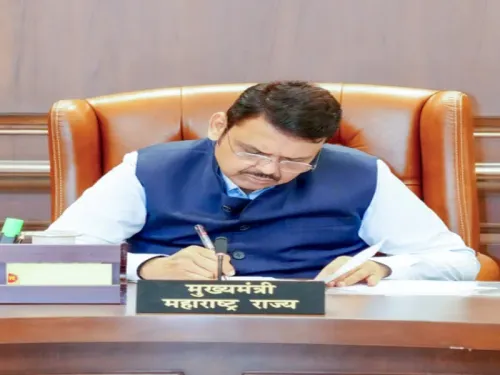
Chief Minister Mohan Yadav welcomed the development and called for collective conservation efforts.
Tentative listing is the first formal step toward possible UNESCO World Heritage inscription — not a guarantee of final status.
Four historical sites from Madhya Pradesh have been added to UNESCO's tentative list of World Heritage Sites, lifting the state's cumulative count to 19. The additions were announced on 29 September, marking a significant milestone for one of India's most heritage-rich states.
The Four Newly Added Sites
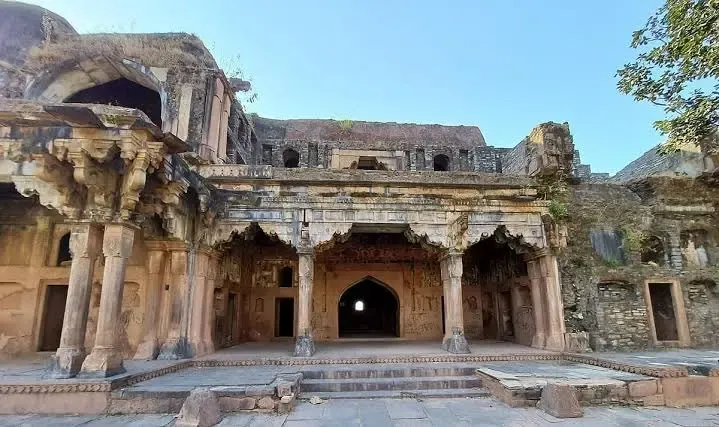
The sites newly included are the Bagh Caves in Dhar, Ginnaurgarh Fort in the Ratapani region, the Bateshwar-Padavali-Kakramath temple complex in Morena, and the Udayagiri Caves in Vidisha. Each represents a distinct era and tradition in Indian architectural and cultural history.
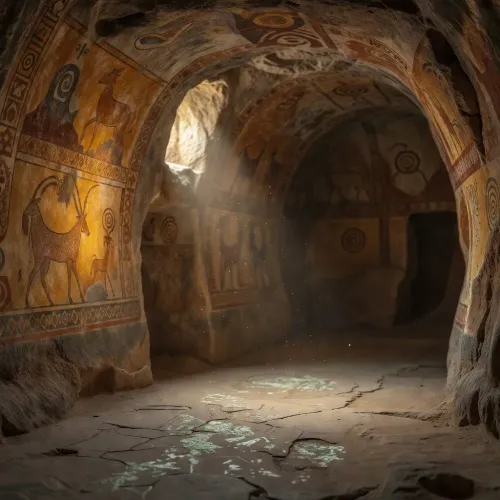
The Bagh Caves comprise a cluster of nine Buddhist rock-cut caves carved out between the 4th and 6th centuries. The murals inside Cave No. 4 are considered particularly significant, offering rare visual documentation of social life and culture from that era.
Ginnaurgarh Fort, set amid the hilly terrain of the Ratapani area, is a well-preserved example of Gond architecture and traditional water management. Its natural defences, fortifications, and stepwells are among its defining features.
The Bateshwar-Padavali-Kakramath complex in Morena encompasses temples built between the 8th and 11th centuries, displaying varied architectural styles. The Bateshwar temple cluster, the intricate carvings at Padavali, and the distinctive design of Kakramath collectively lend the site considerable historical weight.
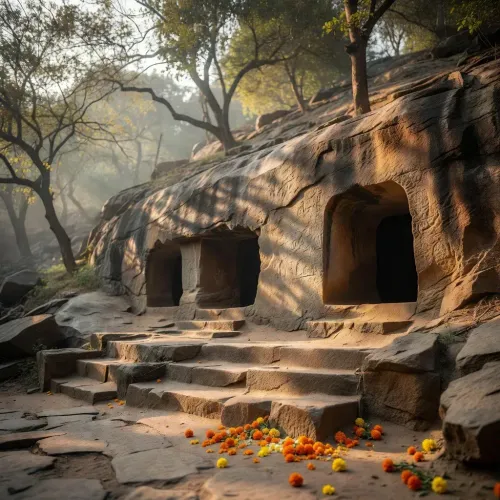
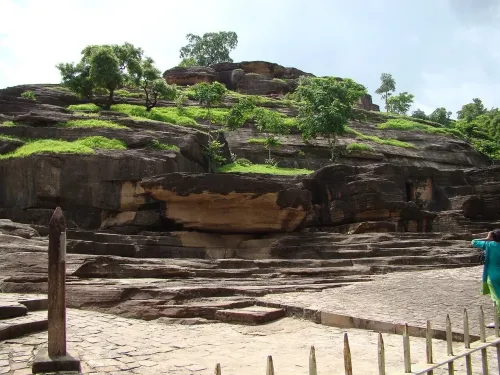
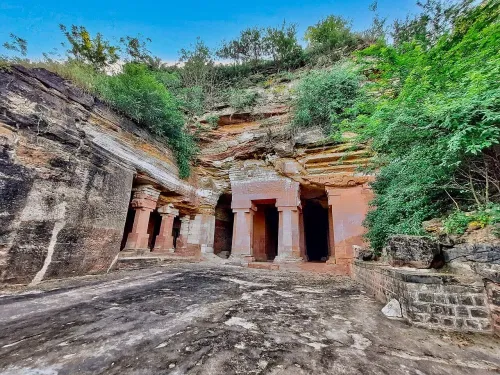
The Udayagiri Caves in Vidisha served as a major centre of religious and political expression during the Gupta period. The complex includes 20 rock-cut caves, with the celebrated Varaha statue regarded as its most iconic highlight.
What the Tentative Listing Means
Inclusion in UNESCO's tentative list is the first formal step in the World Heritage inscription process. Sites on the list undergo detailed evaluation and a multi-stage review before any final decision is taken. Listing does not guarantee inscription but signals international recognition of a site's potential outstanding universal value.
Madhya Pradesh's Growing Heritage Footprint
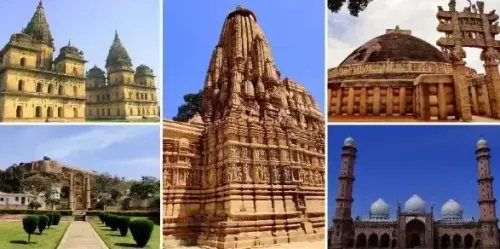
Before these additions, 15 sites from Madhya Pradesh were already on UNESCO's tentative list. These include Gwalior Fort, the Bhojeshwar Mahadev Temple, rock art sites of the Chambal Valley, Khuni Bhandara, the Gond monuments of Ramnagar, the Dhamnar group, Bhedaghat-Lametaghat, Satpura Tiger Reserve, the historic ensemble of Orchha, and the monuments of Mandu, among others. The state already holds UNESCO World Heritage Site status for Khajuraho, Sanchi, and the Bhimbetka rock shelters.
Chief Minister's Response
Chief Minister Mohan Yadav congratulated the people of Madhya Pradesh on the development. In a post on X, Yadav said the addition 'offers an opportunity to further the global recognition of the state's rich historical heritage' and stressed the need for collective efforts to conserve and promote these sites.
What Comes Next
The four newly listed sites will now enter UNESCO's evaluation pipeline, which involves documentation, site assessments, and deliberations by the World Heritage Committee. Conservation planning and tourism infrastructure development are likely to follow at the state level. The additions further consolidate Madhya Pradesh's standing as one of India's foremost repositories of cultural and architectural heritage on the global stage.
Point of View
But the harder task lies ahead. Of the state's existing 15 tentative entries — some listed years ago — only three have crossed the finish line to full inscription. The gap between tentative listing and actual inscription is where heritage ambition frequently stalls, owing to incomplete documentation, inadequate conservation buffers, and slow state-level follow-through. The four new additions are historically compelling, but their path to inscription will depend on whether the state can sustain the administrative and financial commitment that UNESCO's rigorous evaluation demands. The political celebration is warranted; the conservation homework is just beginning.
NationPress
29 Sept 2026
Frequently Asked Questions
Which four Madhya Pradesh sites were added to UNESCO's tentative World Heritage list?
The four newly added sites are the Bagh Caves in Dhar, Ginnaurgarh Fort in the Ratapani region, the Bateshwar-Padavali-Kakramath temple complex in Morena, and the Udayagiri Caves in Vidisha. The additions were announced on 29 September, raising Madhya Pradesh's tentative list tally to 19.
What does inclusion in UNESCO's tentative list mean?
Being placed on UNESCO's tentative list is the first formal step in the World Heritage inscription process. It signals international recognition of a site's potential, but sites must undergo detailed evaluation and multi-stage review before any final inscription decision is made.
How many UNESCO World Heritage Sites does Madhya Pradesh already have?
Madhya Pradesh holds three fully inscribed UNESCO World Heritage Sites: Khajuraho, Sanchi, and the Bhimbetka rock shelters. The state now has an additional 19 sites on the tentative list, making it one of India's most heritage-rich states.
What is historically significant about the Bagh Caves and Udayagiri Caves?
The Bagh Caves are a group of nine Buddhist rock-cut caves developed between the 4th and 6th centuries, notable for murals in Cave No. 4 that document social life of the period. The Udayagiri Caves in Vidisha are a Gupta-period complex of 20 rock-cut caves, famous for the celebrated Varaha statue.
What did Chief Minister Mohan Yadav say about the UNESCO additions?
Chief Minister Mohan Yadav congratulated the people of Madhya Pradesh and, in a post on X, said the development 'offers an opportunity to further the global recognition of the state's rich historical heritage.' He also stressed the need for collective efforts to conserve and promote these sites.