SIT formed to probe SRFTI campus clashes of September 27 in Kolkata
Synopsis
A six-member SIT led by Kolkata Police's Additional Commissioner of Police (Crime) has been formed to investigate the September 27 clashes at the SRFTI campus between ABGP and SFI student groups. With three FIRs filed, no arrests made, and a preliminary report due October 1, the probe puts a spotlight on deepening political rivalries playing out on West Bengal's college campuses.
Key Takeaways
A six-member SIT has been formed to probe violent clashes at SRFTI campus, Kolkata on 27 September 2024 .
The SIT is headed by Kunal Agarwal , Additional Commissioner of Police (Crime), Kolkata Police.
The clashes involved ABGP members and SFI activists, leaving several people injured.
Three FIRs have been registered at Panchasayar Police Station ; no arrests have been made so far.
The SIT is required to submit its preliminary report by 1 October .
Students alleged police recorded complainant details instead of acting against those responsible for the violence.
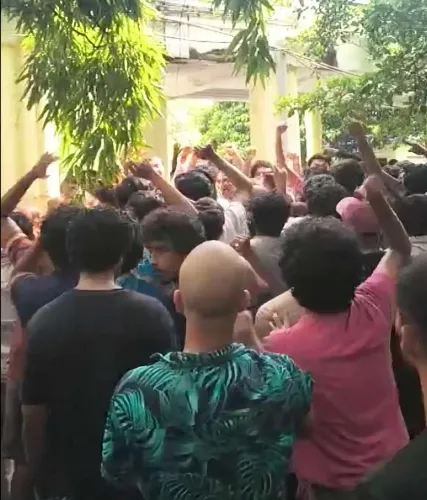
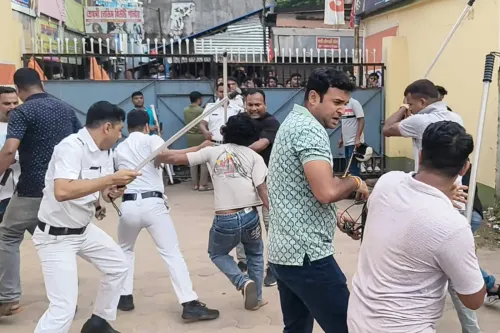
A six-member Special Investigation Team (SIT) has been constituted by the West Bengal state Home (police) Department to investigate violent clashes that erupted on 27 September at the Satyajit Ray Film and Television Institute (SRFTI) campus in Kolkata, leaving several students injured. The confrontation reportedly broke out between members of the Akhil Bharatiya Grahak Panchayat (ABGP) and activists of the Students' Federation of India (SFI), the student wing of the Communist Party of India (Marxist).
SIT Composition and Mandate
The SIT will be headed by Kunal Agarwal, Additional Commissioner of Police (Crime), Kolkata Police. The remaining five members include Sparsha Nilangi, Deputy Commissioner of the Detective Department of Kolkata Police; Koushik Ghosh, Deputy Superintendent of the Criminal Investigation Department of West Bengal Police; and Inspector-rank officers Salil Roy, Tusharkanti Ghosh, and Hirak Dalpati, all attached to Kolkata Police.
The SIT head has been authorised to requisition additional manpower from either West Bengal Police or Kolkata Police if the investigation demands it. A preliminary report is expected to be submitted by 1 October.
Three FIRs, No Arrests Yet
The SIT's formation follows three separate First Information Reports (FIRs) registered at Panchasayar Police Station under the East Division of Kolkata Police, which has jurisdiction over the SRFTI campus. One FIR was filed by ABGP members, a second by a section of SRFTI students, and the third was registered suo motu by the police. As of the time of reporting, no one has been detained or arrested.
What Triggered the Clashes
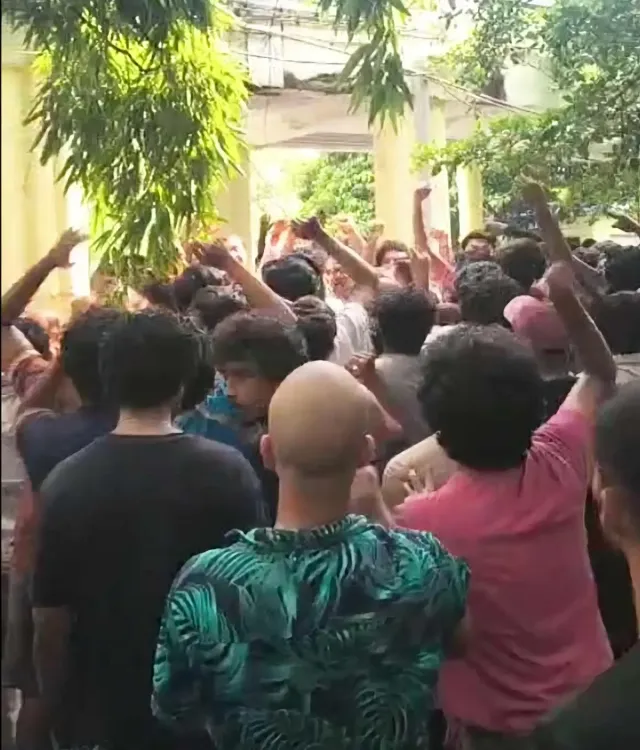
The violence broke out on Sunday at approximately 1 pm when an ABGP programme was underway in the institute's auditorium. According to reports, a group of SFI activists arrived at the venue and questioned the organisers about their use of the auditorium. The ABGP organisers alleged that the SFI activists tore down pictures and banners of Bharat Mata and Swami Vivekananda.
SFI activists, however, countered that the SRFTI management had granted ABGP permission to hold the event without informing other student groups. They further alleged that ABGP organisers referred to them as 'militants' and 'Bangladeshis', and that SFI members were physically assaulted for raising objections. ABGP, in turn, accused SFI of disrupting the programme unprovoked and alleged that SFI members raised 'Azadi' slogans during the confrontation. Both sides have claimed to have had prior authorisation for their respective activities.
Police Response and Student Grievances
A large police contingent, led by the divisional Deputy Commissioner of Police, rushed to the SRFTI campus after receiving information about the clashes. Tensions reportedly escalated further even after the police arrived, with scuffles continuing between students and event organisers in their presence.
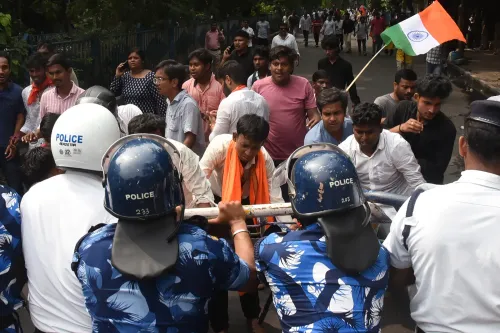
A section of students alleged that police personnel focused on recording complainants' names and residential details rather than acting against those responsible for the violence. Fearing possible harassment, students demanded immediate registration of cases against the accused and staged a protest around a police vehicle to press their demands. This comes amid a broader pattern of student-group conflicts on campuses in West Bengal, where political affiliations of student organisations have frequently been flashpoints.
What Happens Next
With the SIT's preliminary report due on 1 October, investigators will need to reconcile sharply contradictory accounts from both sides. The outcome of the probe is likely to have political ramifications given the involvement of student wings affiliated with the Bharatiya Janata Party (BJP) and the CPI(M) — two of West Bengal's most prominent rival political forces. Whether arrests follow the preliminary report will be closely watched by student groups and civil society alike.
Point of View
Despite three FIRs and multiple injured students, will fuel accusations of selective policing from both sides. The contradictory accounts — each group claiming victim status and authorisation — are a textbook feature of campus political violence in Bengal, where the line between student activism and party mobilisation has long been blurred. Whether the SIT's October 1 preliminary report leads to credible accountability, or becomes another inconclusive procedural exercise, will test the Kolkata Police's independence in an acutely politicised environment.
NationPress
30 Sept 2026
Frequently Asked Questions
What happened at the SRFTI campus on September 27?
Violent clashes broke out at the Satyajit Ray Film and Television Institute (SRFTI) campus in Kolkata on 27 September between members of the Akhil Bharatiya Grahak Panchayat (ABGP) and Students' Federation of India (SFI) activists, leaving several people injured. The confrontation began during an ABGP programme in the campus auditorium when SFI members arrived and disputes escalated into physical altercations.
Who is heading the SIT formed to probe the SRFTI clashes?
The SIT is headed by Kunal Agarwal, Additional Commissioner of Police (Crime) of Kolkata Police. The six-member team also includes officers from the Detective Department and the Criminal Investigation Department of West Bengal Police.
Have any arrests been made in connection with the SRFTI violence?
No. As of the time of reporting, no one has been detained or arrested in connection with the September 27 clashes at SRFTI, despite three FIRs being registered at Panchasayar Police Station.
What are the competing claims of ABGP and SFI about the clashes?
ABGP alleged that SFI activists disrupted their programme without provocation, tore down pictures of Bharat Mata and Swami Vivekananda, and raised 'Azadi' slogans. SFI countered that the SRFTI management granted ABGP permission without informing other student groups, that their members were called 'militants' and 'Bangladeshis', and that SFI activists were assaulted for objecting.
When will the SIT submit its report on the SRFTI campus violence?
The SIT is required to submit its preliminary report by 1 October. The investigation covers all three FIRs registered at Panchasayar Police Station and the SIT head has authority to requisition additional police personnel if needed.