War remnant blast kills three children in Nangarhar, Afghanistan
Synopsis
Three children in Afghanistan's Nangarhar province died on Tuesday after picking up a war-remnant explosive they mistook for a toy. ANDMA data shows 87 people were killed in 193 such incidents over the past year — and 67.5% of all victims are children, making this a recurring national tragedy that demining efforts are still far from resolving.
Key Takeaways
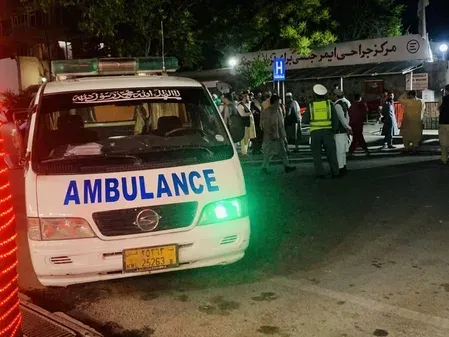
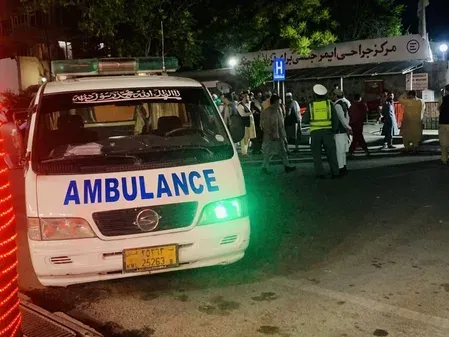
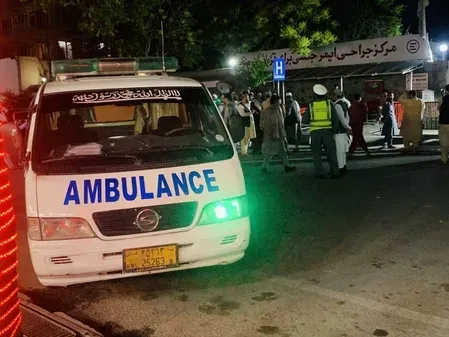
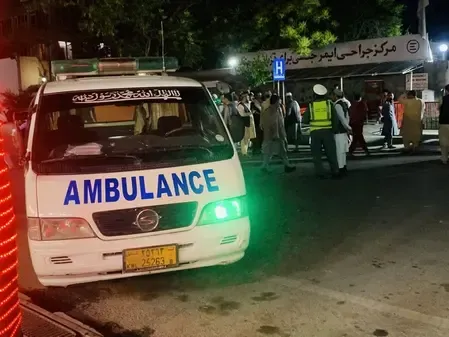
Three children were killed and one injured on Tuesday after a war-remnant explosive detonated in Bala Khogyani district, Nangarhar province , eastern Afghanistan.
The children had mistaken the device for a toy and were playing with it when it exploded, according to the provincial government statement.
ANDMA data shows at least 87 people were killed and 333 injured in 193 unexploded-ordnance incidents across Afghanistan over the past year.
67.5% of all unexploded-ordnance victims in Afghanistan are children, according to ANDMA Information Department Head Hafiz Mohammad Yousof Hamad .
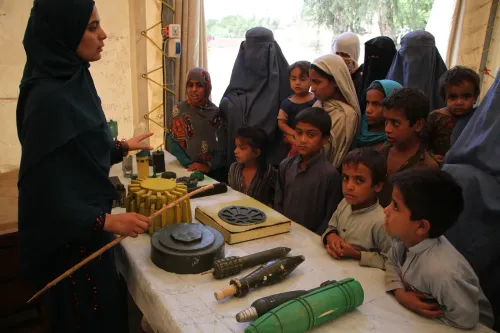
In 2025 , 155 demining teams cleared 58 kilometres of land and neutralised 24,720 mines , while providing awareness training to over 2.1 million people .
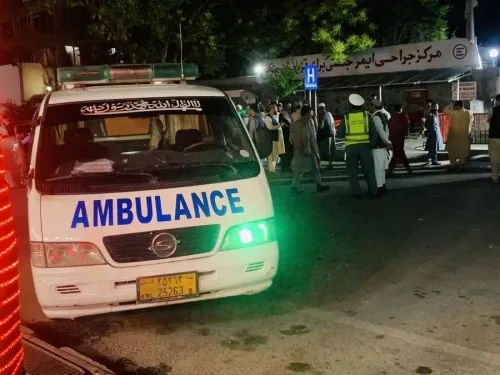
Three children were killed and one other injured on Tuesday when an explosive device left over from past conflicts detonated in the Bala Khogyani district of Nangarhar province in eastern Afghanistan, according to a statement from the provincial government office. The children had reportedly mistaken the device for a toy and begun playing with it before it exploded, killing them on the spot.
What Happened
The children discovered the war remnant and were handling it when the device went off, according to the provincial statement. One other child sustained injuries in the blast. Officials have not disclosed the ages of the victims, but authorities in Nangarhar urged residents to exercise extreme caution upon encountering any suspicious objects and to immediately alert security forces rather than approaching them.
Afghanistan's Ongoing Landmine Crisis
Afghanistan is reportedly among the most mine-contaminated countries in the world, a legacy of more than four decades of continuous wars and civil conflict. The scale of the problem was underscored by data released by the Afghanistan National Disaster Management Authority (ANDMA) on 4 February, which stated that at least 87 people were killed and 333 others injured across 193 incidents involving unexploded ordnance over the previous year. ANDMA Information Department Head Hafiz Mohammad Yousof Hamad noted that 67.5 per cent of all victims were children — a figure that underscores how disproportionately the youngest and most vulnerable bear the burden of this decades-old hazard.
Demining Efforts and Their Limits
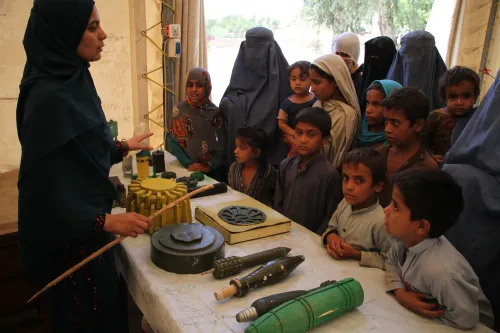
According to Hamad, the Mine Clearance Coordination Department and associated demining organisations cleared 58 kilometres of land in 2025 and found and neutralised 24,720 mines. Presently, 155 demining teams are operational across Afghanistan, and during the past year they provided awareness training to more than 2.1 million people. Despite this progress, the pace of clearance continues to lag far behind the volume of unexploded ordnance still buried across the country.
A Pattern of Recurring Tragedies
The Nangarhar incident is far from isolated. On 17 February, two people were killed after an unexploded shell detonated inside a residential home in the Pusht-e-Koh district of Farah province in western Afghanistan. On 7 February, a child was killed and another injured when unexploded ordnance detonated in the Sang-e-Atash area of Badghis province while children were at play. These incidents collectively reflect a grim and recurring pattern that demining officials and humanitarian organisations have repeatedly flagged as a national emergency.
With more than two million Afghans having received ordnance-awareness training in the past year alone, officials are pressing for sustained international support to accelerate clearance operations — warning that without a significant scale-up, children will continue to pay the highest price.
Point of View
With children accounting for more than two-thirds of all casualties; the ANDMA figures are damning. Clearing 58 kilometres and neutralising roughly 24,700 mines is meaningful work, but it remains a fraction of what four decades of war buried in Afghan soil. The international community's appetite for sustained demining funding has waned as strategic interest in Afghanistan has faded — and the children are paying the price for that disengagement.
NationPress
30 Sept 2026
Frequently Asked Questions
What happened in the Nangarhar blast on Tuesday?
Three children were killed and one injured on Tuesday after they picked up an explosive device left over from past wars in the Bala Khogyani district of Nangarhar province, eastern Afghanistan. The children had reportedly mistaken the object for a toy and were playing with it when it detonated.
How serious is Afghanistan's unexploded ordnance problem?
Afghanistan is reportedly one of the most mine-contaminated countries in the world, with over four decades of conflict leaving vast quantities of unexploded ordnance across the country. ANDMA recorded at least 87 deaths and 333 injuries from 193 such incidents in the past year alone.
Who are the most affected victims of unexploded ordnance in Afghanistan?
Children are disproportionately affected, accounting for 67.5% of all unexploded-ordnance casualties in Afghanistan, according to ANDMA Information Department Head Hafiz Mohammad Yousof Hamad.
What is being done to address the landmine and UXO crisis in Afghanistan?
As of 2025, 155 demining teams are operational across Afghanistan. They cleared 58 kilometres of land and neutralised 24,720 mines last year, while providing ordnance-awareness training to more than 2.1 million people. However, officials warn that clearance efforts are significantly outpaced by the volume of unexploded ordnance remaining.
Have similar incidents happened recently in Afghanistan?
Yes. On 17 February, two people were killed by an unexploded shell in Farah province's Pusht-e-Koh district, and on 7 February, a child was killed and another injured in Badghis province's Sang-e-Atash area under similar circumstances.