Chinese mining projects in Africa face scrutiny over rights, environment abuses
Synopsis
A new BHRRC report reveals that allegations of human rights and environmental abuses linked to Chinese mining operations in Africa more than doubled — from 45 to 100 cases — in just one year. With Africa holding 30–40% of global critical mineral reserves and China as its top extractor, the clean energy boom is increasingly leaving a trail of community harm that global ESG frameworks have yet to meaningfully address.
Key Takeaways
Allegations tied to Chinese mining operations in Africa rose from 45 in 2024 to 100 in 2025 , according to the BHRRC report.
Globally, 326 allegations of abuses were documented against Chinese companies in transition mineral projects between 2023 and 2025 ; Africa accounts for 119 of these.
The Democratic Republic of Congo recorded the most allegations at 52 , followed by Zimbabwe (20) , Guinea (18) , Zambia (15) , and Namibia (8) .
The minerals at the centre of abuses — cobalt, copper, lithium, nickel — are critical to global clean energy and EV supply chains.
Africa holds an estimated 30–40% of world critical mineral reserves; China is the continent's largest mineral extractor and a leading project financier.
Critics argue many strategic mineral deals are struck without adequate community consultation or enforceable human rights safeguards.
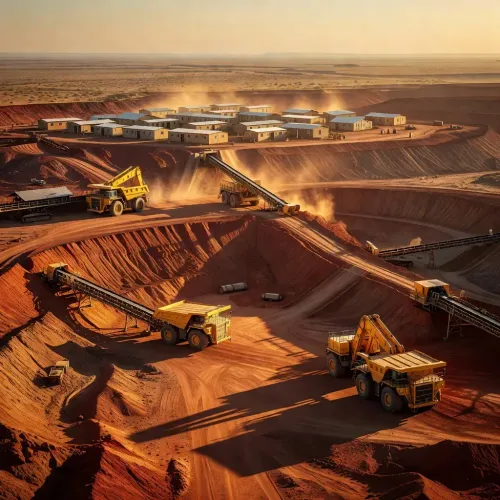
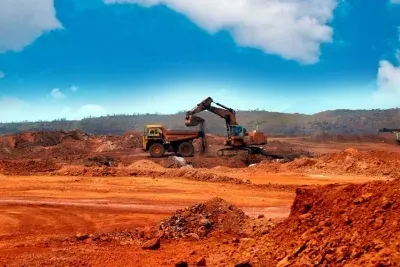
Chinese investment in Africa's mineral sector is facing intensifying international scrutiny, with allegations of environmental damage and human rights violations linked to mining operations more than doubling in a single year, according to a new report by the Business and Human Rights Resource Centre (BHRRC). The report, titled 'Shifting Ground: Human Rights, Chinese Investment and the Rush for Transition Minerals,' documents a sharp surge in documented abuses tied to the extraction of critical minerals across the continent.
Key Findings of the Report
The BHRRC report found that allegations connected to Chinese mining operations in Africa rose from 45 cases in 2024 to 100 cases in 2025 — a more than 100% increase in a single year. Globally, the report documented 326 allegations of environmental and human rights abuses linked to Chinese companies involved in transition mineral projects between 2023 and 2025. Africa accounted for 119 of these, representing nearly 37% of the global total.
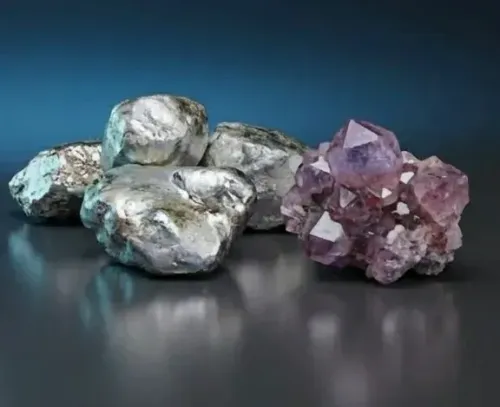
The abuses are primarily associated with the extraction of cobalt, copper, lithium, and nickel — minerals essential for electric vehicles, batteries, and other technologies powering the global clean energy transition.
Countries Most Affected
The Democratic Republic of Congo (DRC) recorded the highest number of allegations at 52, followed by Zimbabwe with 20, Guinea with 18, Zambia with 15, and Namibia with eight. Researchers warned that communities living near mining operations are increasingly bearing the environmental and social costs of resource extraction as competition for critical minerals intensifies.
Strategic Deals and Community Exclusion
According to the report, the rapid expansion of mining activities is occurring alongside a growing number of strategic mineral agreements between foreign powers and African governments. Critics argue that many such deals are negotiated without meaningful consultation with affected communities and frequently lack robust human rights and environmental safeguards. This pattern, researchers note, risks deepening inequality between resource-rich governments and the local populations most exposed to extraction's consequences.
China's Dominant Role in Africa's Mineral Economy
Africa holds an estimated 30–40% of the world's critical mineral reserves, positioning the continent as a pivotal supplier for the global energy transition. China remains the largest extractor and importer of raw minerals and metals from Africa and is also a leading financier of mining projects across the continent, according to the report. This dominance has drawn heightened attention from Western governments and multilateral bodies increasingly concerned about supply-chain transparency and accountability in the clean energy sector.
What Comes Next
The BHRRC report is expected to add pressure on Chinese companies and host governments to adopt stronger community consultation protocols and environmental impact standards. International bodies and investors focused on ESG (environmental, social, and governance) criteria are also likely to scrutinise deal structures more closely. Whether African governments will leverage growing Western competition for minerals to negotiate stronger safeguards remains an open question.
Point of View
In part, on unaccountable extraction. The contradiction is stark: the minerals powering green technology are being mined under conditions that violate the very ESG principles Western buyers and investors publicly espouse. China's dominant position in Africa's mineral economy gives it leverage, but it also makes it the primary accountability target. What is missing from this picture is meaningful pressure on African governments themselves, many of whom sign away community rights in exchange for infrastructure finance. Until host-country governance is part of the accountability equation, bilateral scrutiny of Chinese firms alone will not move the needle for affected communities.
NationPress
30 Sept 2026
Frequently Asked Questions
What did the BHRRC report find about Chinese mining in Africa?
The Business and Human Rights Resource Centre found that allegations of human rights and environmental abuses linked to Chinese mining operations in Africa more than doubled from 45 cases in 2024 to 100 cases in 2025. Globally, the report documented 326 such allegations between 2023 and 2025, with Africa accounting for 119 of them.
Which African countries have the most abuse allegations linked to Chinese mining?
The Democratic Republic of Congo recorded the highest number at 52 allegations, followed by Zimbabwe with 20, Guinea with 18, Zambia with 15, and Namibia with 8, according to the BHRRC report.
Which minerals are at the centre of these allegations?
The abuses are primarily connected to the extraction of cobalt, copper, lithium, and nickel — minerals essential for electric vehicles, batteries, and other clean energy technologies driving the global energy transition.
Why does Africa matter so much in the global critical minerals race?
Africa holds an estimated 30–40% of the world's critical mineral reserves, making it indispensable to the global clean energy supply chain. China is currently the continent's largest mineral extractor and importer, and a leading financier of mining projects there.
What are critics saying about mineral agreements between foreign powers and African governments?
Critics argue that many strategic mineral deals are negotiated without meaningful consultation with affected communities and often lack strong human rights and environmental safeguards, leaving local populations to bear the social and ecological costs of large-scale extraction.