Are Chinese Companies in Africa Facing Challenges Amid Rising Unrest?

Synopsis
Recent unrest in African nations is raising alarms for Chinese businesses navigating security, political, and community challenges. With the Belt and Road Initiative fostering infrastructure development, the complexities of local relations are becoming increasingly evident.
Key Takeaways
Chinese businesses are increasingly vulnerable to local unrest and community tensions.
Government regulations are tightening in response to security challenges.
Engagement in local partnerships is critical for success.
Risk assessments need to be prioritized to enhance safety.
Political entanglements should be avoided to maintain operational integrity .
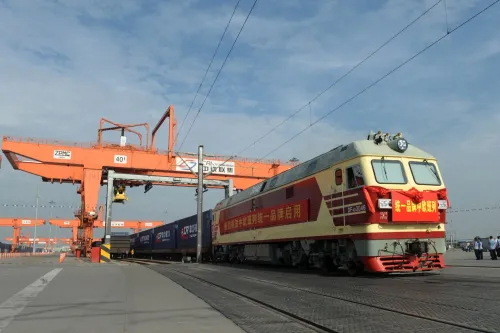
New Delhi, Oct 22 (NationPress) Recent disturbances in various African nations have brought to light the security, political, and community-relations risks that some Chinese enterprises encounter while operating across the continent. China's global engagement — primarily focused on infrastructure financing and trade as part of the Belt and Road Initiative (BRI) — has not only broadened market access but also facilitated the construction of roads, railways, and energy projects, according to a recent report.
However, incidents of looting, arson, and targeted crime in multiple African nations have triggered reviews of security protocols, compliance, and local partnerships, as noted in an article from Kenya’s Capital News.
Experts point out that such economic diplomacy can escalate tensions, especially in communities that feel benefits are unequally distributed or where economic shocks and political disputes are already prevalent.
In Madagascar, unrest over power outages and service delivery in Antananarivo spiraled into rioting and property damage, affecting Chinese-owned businesses. Authorities imposed a curfew and announced cabinet reshuffles as the protests persisted, according to the article.
In Angola, subsidy reforms and fuel price hikes coincided with the most violent unrest in years; casualties and arrests were reported alongside the looting of retail establishments, including those owned by Chinese nationals. Similarly, Mozambique experienced protests and mass arrests following post-election disputes, with various businesses facing arson and looting incidents, as the article states.
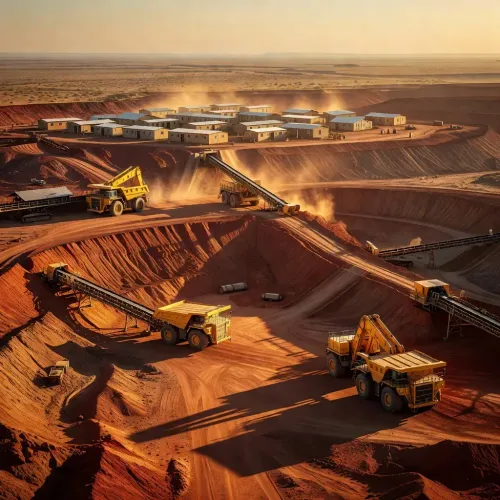
Beyond public disorder, concerns regarding governance and environmental issues have drawn attention. In the Democratic Republic of the Congo, officials and watchdogs flagged illegal or irregular mining activities involving several foreign operators, including some with links to China. Enforcement actions, ranging from arrests to license reviews, reflect broader efforts to formalize the sector, the article notes.
It also emphasizes that various governments have taken steps to deter unlawful activities surrounding foreign-linked enterprises. Ghana has tightened visa regulations for Chinese nationals amidst a broader crackdown on illegal small-scale gold mining, citing pollution and community impacts.
In Nigeria, courts have issued convictions in cybercrime cases involving foreign nationals, and local regulators have temporarily shut down some businesses, including Chinese-owned ones, after clashes with enforcement officers during inspections. These actions occur alongside routine collaborations between Chinese missions and host authorities on compliance and business continuity.
Security incidents have further highlighted the risks associated with operating in high-threat environments. A Chinese-owned fishing vessel was hijacked off Somalia, but the crew was eventually reported safe. Earlier, nine Chinese workers were killed in an attack on a gold mine in the Central African Republic. Such incidents have led Chinese officials to demand accountability and encourage companies to enhance risk assessments, avoid political entanglements — particularly during elections — and improve staff safety measures, the article concludes.
Point of View
I recognize the intricacies involved in China's engagement with Africa. While the Belt and Road Initiative promises growth and development, the emerging unrest underscores the necessity for Chinese firms to foster strong community ties and adapt to local dynamics. It's crucial to approach these challenges with sensitivity and insight.
NationPress
19 Sept 2026
Frequently Asked Questions
What challenges are Chinese firms facing in Africa?
Chinese firms in Africa are facing challenges such as security risks, political instability, and strained community relations due to recent unrest.
How has the Belt and Road Initiative affected Chinese businesses in Africa?
The Belt and Road Initiative has expanded market access for Chinese businesses but has also highlighted tensions in local communities regarding the distribution of benefits.
What measures have governments taken in response to unrest involving Chinese businesses?
Governments like Ghana and Nigeria have tightened regulations and enforcement actions to address illegal activities and ensure compliance among foreign-linked enterprises.
What incidents have occurred affecting Chinese businesses in Africa?
Incidents include looting, arson, and targeted attacks on Chinese-owned properties and enterprises across several African countries.
How can Chinese firms improve their operations in Africa amidst unrest?
Chinese firms can enhance their operations by strengthening community relations, conducting thorough risk assessments, and adhering to local regulations.