Is China’s Belt and Road Initiative Facing Challenges?
Synopsis
China’s Belt and Road Initiative, a multi-trillion-dollar geopolitical project, is facing significant challenges. Due to economic struggles at home and shifting global dynamics, the initiative's future appears uncertain. Discover the implications for countries involved and the broader geopolitical landscape.
Key Takeaways
The BRI is facing significant challenges due to China's economic slowdown.
Recipient countries are struggling with rising debt and global interest rates.
Corruption and environmental issues are leading to increased opposition.
Countries like Sri Lanka and Zambia are examples of the risks involved.
Future investment trends may see a decline in megaprojects.
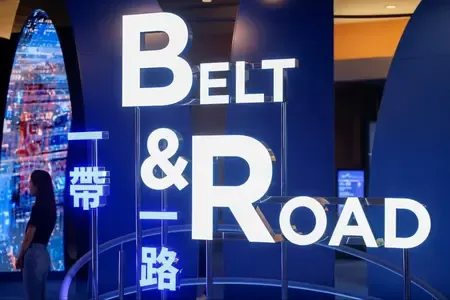
New Delhi, Nov 2 (NationPress) China’s Belt and Road Initiative (BRI), a multi-trillion-dollar geopolitical strategy aimed at expanding the influence of the Asian powerhouse, is now encountering significant challenges. This is attributed to Beijing's internal economic difficulties and changing global circumstances, as reported by Australia’s Daily Mirror.
The current economic slowdown in China poses heightened risks for the BRI. The faltering domestic growth is constraining lending for numerous BRI projects. Many recipient nations are grappling with rising global interest rates and declining commodity prices, which are sharply escalating debt-servicing costs and compelling governments towards unpopular austerity measures or seeking bailouts from the IMF. This situation increases China's vulnerability with respect to numerous high-risk credit portfolios.
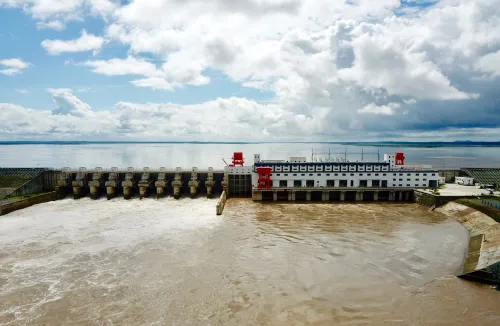
Moreover, China’s portrayal of the BRI as a harbinger of prosperity and partnership is facing resistance in various target nations, where projects have frequently stalled or been abandoned due to widespread protests, scandals, and environmental concerns. Notable examples include the halted Myitsone dam project in Myanmar and significant opposition in Malaysia and Panama.
Rising allegations of corruption, lack of transparent governance, and neglect of local consent have tarnished China’s reputation as a dependable development partner. Even when projects proceed, many are secured against sovereign guarantees or future resource exports, which places vulnerable countries in a precarious situation reliant on Chinese financing, according to the report.
The situation in countries like Sri Lanka and Zambia illustrates the potential repercussions, as they have encountered debt crises exacerbated by Chinese loans. For instance, Sri Lanka’s transfer of the Hambantota port to China for a 99-year lease after defaulting on debt underscores the social and political risks tied to China’s debt-driven diplomacy under the BRI.
Forecasts indicate a decline in substantial investment deals in the latter half of 2025. International evaluations suggest that while deal volumes remain healthy, the scale of megaprojects and the overall level of new commitments are likely to diminish due to Beijing’s reevaluation of fiscal priorities amid concerns about domestic economic growth.
Despite the BRI's narrative emphasizing investments in renewable energy and 'green' sectors, a significant proportion of recent agreements still involve fossil fuel projects and high-carbon industries, complicating China’s objective of aligning economic growth with environmental responsibilities, the report concluded.
Point of View
We must emphasize the critical nature of these developments surrounding China’s Belt and Road Initiative. While the potential for growth and collaboration exists, the challenges encountered by both China and recipient nations must be addressed to ensure sustainable and equitable progress.
NationPress
16 Sept 2026
Frequently Asked Questions
What is the Belt and Road Initiative?
The Belt and Road Initiative (BRI) is a global development strategy launched by China, aiming to enhance regional connectivity and embrace a brighter economic future by building infrastructure and broadening trade links.
Why is the BRI facing challenges?
The BRI is encountering challenges due to China's internal economic struggles, rising global interest rates, and backlash from recipient countries regarding corruption and environmental concerns.
What are the implications of Chinese loans for recipient countries?
Chinese loans can lead to significant debt for recipient countries, making them vulnerable to economic crises and dependence on China, as illustrated by cases like Sri Lanka and Zambia.
How does the BRI affect global dynamics?
The BRI affects global dynamics by increasing China's influence in various regions, but it also raises concerns about debt dependency and the environmental impact of projects.
What future trends are anticipated for the BRI?
Future trends suggest a decline in large-scale investments and a reassessment of fiscal priorities by Beijing in light of domestic economic growth concerns.