Is Bangladesh Trapped in Chinese Debt?
Synopsis
Bangladesh's economic landscape is under pressure due to rising debt, predominantly from Chinese loans. Senior officials warn of a debt trap that threatens the nation's fiscal stability and social programs. Will Bangladesh take decisive action to avert a crisis similar to Sri Lanka's?
Key Takeaways
Bangladesh is facing a significant debt crisis primarily due to Chinese loans.
Debt servicing now takes precedence over essential sectors like education and agriculture.
The country's debt-to-GDP ratio has risen above 39 percent.
World Bank reports indicate a 42 percent increase in external debt within five years.
There are risks of decreased social spending and long-term growth prospects.
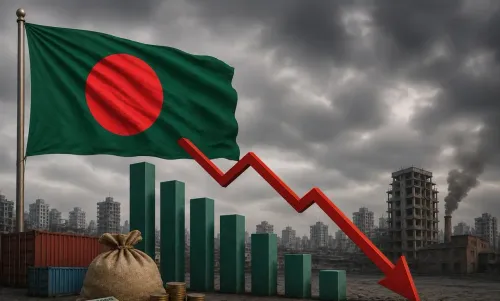
New Delhi, Jan 8 (NationPress) Bangladesh is grappling with a significant economic challenge as escalating debt repayments, primarily arising from loans from China, strain public finances and restrict policy options. Senior officials are now candidly admitting that the nation has entered a debt trap similar to that of Sri Lanka and Pakistan, as reported by the London-based 'Asian Lite' newspaper.
The Chairman of Bangladesh’s National Board of Revenue, M Abdur Rahman Khan, remarked at a recent seminar that the country “has already fallen into a debt trap,” emphasizing that without recognizing the scale of this crisis, recovery is unattainable.
Debt servicing allocations in Bangladesh's national budget now surpass essential sectors like agriculture and education. The debt-to-GDP ratio has surged beyond 39 percent, a rise from approximately 34 percent in the 2017-18 fiscal year, indicating years of substantial borrowing to support infrastructure and development initiatives, the article highlights.
Finance Secretary Md Khairuzzaman Mozumder pointed out the gravity of the situation, noting that, for the first time in the nation’s history, the current budget is less than the prior year’s.
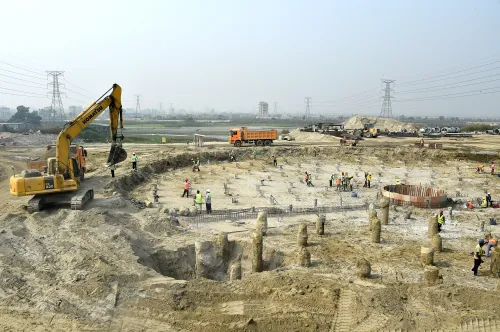
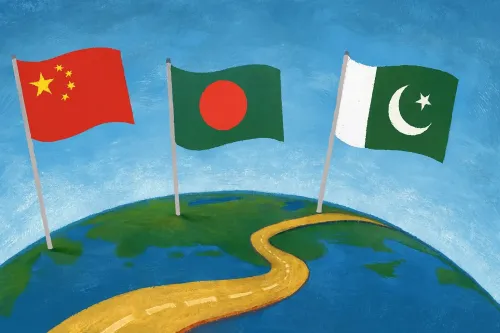
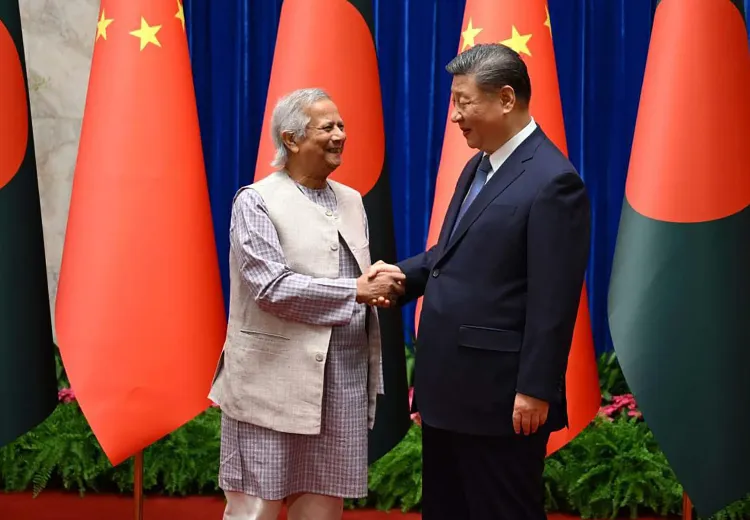
Since committing to China’s Belt and Road Initiative (BRI) in 2016, Bangladesh has gradually increased its reliance on Chinese funding. The government in Dhaka anticipates total Chinese commitments to reach around $40 billion, which includes $14 billion in joint ventures.
Economists caution that the diminishing fiscal space will inevitably hinder social expenditures and long-term growth prospects, all while the government struggles to fulfill mounting repayment obligations.
The World Bank’s International Debt Report 2025 underscores that Bangladesh’s external debt has surged by 42 percent over the past five years, nearing $105 billion by the end of 2024, a stark contrast to just $26 billion in 2010.
External debt now constitutes nearly 192 percent of Bangladesh’s export earnings, with debt servicing consuming approximately 16 percent of exports—a level that analysts suggest indicates increasing repayment stress and heightened vulnerability to external shocks.
Bangladesh’s situation has drawn parallels with Sri Lanka, which defaulted on its sovereign debt in 2022 following years of unsustainable borrowing, largely associated with Chinese-funded projects.
Pakistan, on the other hand, is pursuing a $7 billion IMF bailout to stabilize its economy as it contends with nearly $30 billion in liabilities linked to the China-Pakistan Economic Corridor.
Analysts believe that Bangladesh may face a similar fate unless significant changes are made in borrowing practices and increased transparency regarding loan terms and project feasibility.
Point of View
I recognize the seriousness of the situation in Bangladesh. The implications of the rising debt levels and potential debt trap should not be underestimated. It's crucial for the government to adopt strategic measures to enhance transparency in borrowing and ensure fiscal sustainability, keeping the nation's interests at the forefront.
NationPress
22 Sept 2026
Frequently Asked Questions
What is causing Bangladesh's debt crisis?
The debt crisis in Bangladesh is primarily driven by escalating repayments linked to Chinese loans, which have placed significant strain on public finances.
How does Bangladesh's debt compare to its GDP?
Bangladesh's debt-to-GDP ratio has surpassed 39 percent, reflecting a significant increase from approximately 34 percent in the 2017-18 fiscal year.
What are the potential consequences of the debt crisis?
The debt crisis could lead to reduced social spending, hinder long-term growth prospects, and increase vulnerability to external economic shocks.
How does this situation compare to Sri Lanka's?
Bangladesh's predicament has drawn comparisons to Sri Lanka, which defaulted on its debt in 2022 after years of unsustainable borrowing, much of which was tied to Chinese-funded projects.
What steps can Bangladesh take to address its debt issues?
Bangladesh needs to implement drastic changes in its borrowing patterns and enhance transparency regarding loan terms and project viability to avoid a similar fate as other nations.