Bangladesh public debt tops Tk 22 lakh crore as domestic borrowing surges
Synopsis
Bangladesh's public debt has crossed Tk 22 lakh crore, with the interim administration sharply pivoting away from foreign loans — cutting external borrowing by 59% while domestic borrowing surged 70%. The shift reduces currency risk but is driving interest payments up 22%, raising questions about long-term fiscal sustainability.
Key Takeaways
Bangladesh's total public debt crossed Tk 22 lakh crore by December 2025 , up from Tk 13.44 lakh crore in June 2022 .
Domestic liabilities stood at Tk 12.5 lakh crore ( 57% of total), while foreign debt was Tk 9.59 lakh crore ( 43% ).
Domestic borrowing surged 70% to Tk 52,298 crore in July–December , while foreign borrowing fell 59% to Tk 10,130 crore .
Around Tk 3 lakh crore in additional debt was accumulated under the interim administration.
Total interest payments rose 22% year-on-year to Tk 71,253 crore ; domestic interest costs alone climbed 25% to Tk 61,866 crore .
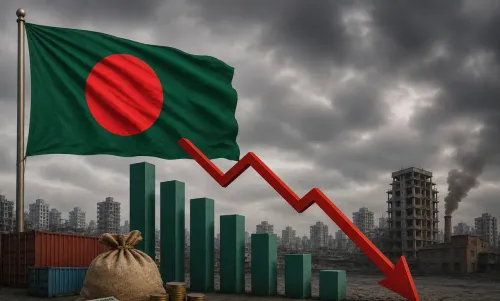
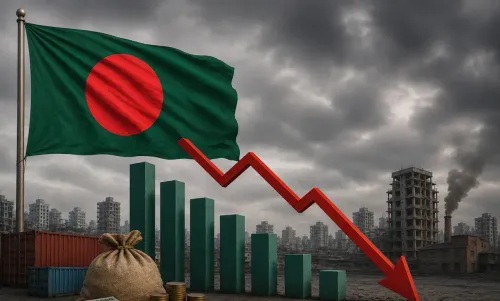
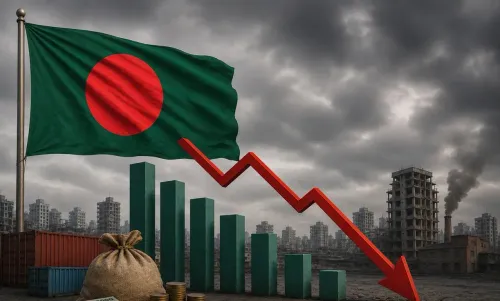
Bangladesh's public debt crossed Tk 22 lakh crore by December 2025, with the interim administration increasingly shifting toward domestic borrowing to reduce foreign exchange exposure and shore up fiscal stability, according to the finance ministry's latest quarterly bulletin. The sharp rise marks a significant escalation in the country's debt trajectory over a three-year period.
How the Debt Has Grown
According to the bulletin, cited in The Daily Star, total public debt stood at Tk 13.44 lakh crore in June 2022 before rising to Tk 18.9 lakh crore by June 2024. The figure then crossed Tk 22 lakh crore by the end of December 2025, reflecting a sustained upward trend. Notably, around Tk 3 lakh crore in additional debt was accumulated during the tenure of the current interim administration alone.
Domestic vs Foreign Borrowing
By December 2025, domestic liabilities stood at Tk 12.5 lakh crore, representing nearly 57 per cent of total government liabilities. Foreign debt accounted for the remaining 43 per cent, at Tk 9.59 lakh crore. The deliberate tilt toward domestic sources reflects a policy preference to insulate the government from currency volatility and external debt servicing pressures.
Borrowing Trends in the Current Fiscal Year
During the July–December period of the current fiscal year, total government borrowing rose 13 per cent year-on-year, adding Tk 62,428 crore. The composition of that borrowing, however, shifted dramatically. Foreign borrowing fell sharply by 59 per cent to just Tk 10,130 crore, while domestic borrowing surged 70 per cent to Tk 52,298 crore. The government also borrowed Tk 19,470 crore directly from the central bank during the same period.
Rising Interest Burden
The growing debt stock is feeding a rising interest payment obligation. Total interest payments during July–December increased 22 per cent year-on-year to Tk 71,253 crore. Interest costs on domestic debt alone climbed 25 per cent to Tk 61,866 crore, underscoring the fiscal cost of the pivot to local borrowing. This trend is likely to intensify as domestic debt continues to grow as a share of the overall liability stack.
What to Watch
With interest payments already consuming a significant portion of government revenues and domestic borrowing crowding the local credit market, fiscal managers face a delicate balancing act. Any further depreciation of the Bangladeshi taka could raise the local-currency cost of servicing the remaining foreign debt, adding fresh pressure to an already stretched fiscal position.
Point of View
But it carries its own structural costs. A 70% surge in domestic borrowing in just one half-year period risks crowding out private credit at a time when the economy needs investment-led recovery. More concerning is the 25% rise in domestic interest costs — a signal that the government is paying a premium to tap local markets. If this trajectory continues, interest servicing could begin to crowd out development expenditure, a pattern that has historically preceded fiscal stress in South Asian economies. The interim administration's debt accumulation of Tk 3 lakh crore also invites scrutiny about whether emergency fiscal measures are being normalised.
NationPress
24 Sept 2026
Frequently Asked Questions
How much is Bangladesh's total public debt as of December 2025?
Bangladesh's total public debt crossed Tk 22 lakh crore by December 2025, according to the finance ministry's quarterly bulletin. This is up from Tk 13.44 lakh crore in June 2022, reflecting a sharp rise over three years.
Why is Bangladesh borrowing more domestically?
The government has shifted toward domestic borrowing to reduce exposure to foreign exchange risks and strengthen fiscal stability. During July–December of the current fiscal year, domestic borrowing surged 70% to Tk 52,298 crore, while foreign borrowing fell 59% to Tk 10,130 crore.
How much debt did the interim administration accumulate?
Around Tk 3 lakh crore in additional debt was accumulated during the tenure of the interim administration, according to the finance ministry's quarterly bulletin cited by The Daily Star.
How are interest payments being affected by the rising debt?
Total interest payments during July–December rose 22% year-on-year to Tk 71,253 crore. Interest costs on domestic debt alone climbed 25% to Tk 61,866 crore, reflecting the fiscal cost of the shift toward local borrowing.
What share of Bangladesh's debt is domestic versus foreign?
As of December 2025, domestic liabilities accounted for nearly 57% of total government liabilities at Tk 12.5 lakh crore, while foreign debt stood at Tk 9.59 lakh crore, representing 43% of the total.