Is Chinese Investment Abroad Really a Threat to Global Integrity?
Synopsis
China's ambitious overseas investment strategy, particularly through the Belt and Road Initiative, raises critical questions about its impact on global relations. A recent report highlights concerns over debt diplomacy, environmental issues, and cultural insensitivity. Can China reverse its tarnished reputation and foster genuine international cooperation?
Key Takeaways
China's BRI has global implications.
Debt-trap diplomacy raises concerns.
Cultural insensitivity affects perceptions.
China must address internal issues.
Trust and integrity are crucial for international relations.
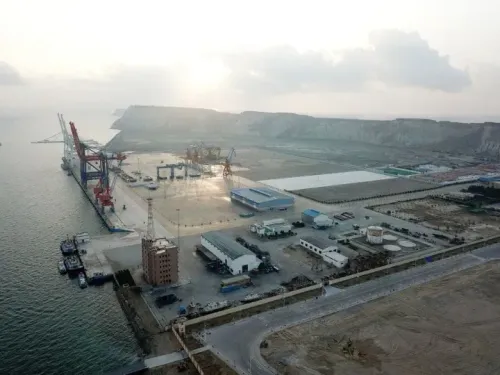
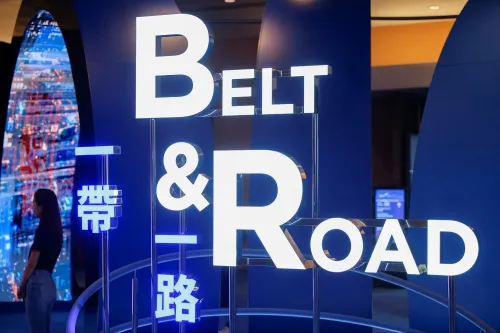
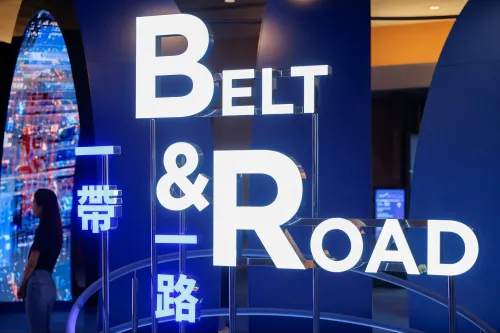
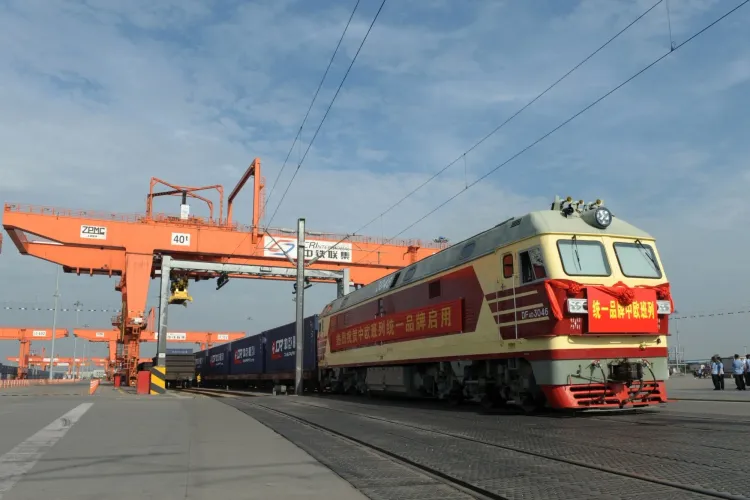
Naypyidaw, Nov 28 (NationPress) The increasing global presence of China through undertakings like the Belt and Road Initiative (BRI), which entails substantial infrastructure investments across Asia, Africa, and Latin America, has not led to universal acclaim, as outlined in a report released on Friday.
While these initiatives have spurred development in certain areas, they have also led to allegations of debt-trap diplomacy, environmental harm, and political meddling by Beijing.
According to a report from Mekong News Myanmar, despite its remarkable economic growth and expanding global clout, China is facing increasing skepticism and criticism on the world stage. The decline in its global reputation is perceived not merely as a result of geopolitical rivalry or Western bias; it is also attributed to internal dysfunction and external blunders that have alienated potential allies and heightened doubts.
The report highlights that nations like Sri Lanka and Zambia have been driven into unmanageable debt due to Chinese loans, raising serious questions regarding Beijing’s underlying motives.
Furthermore, cultural insensitivity and disruptive behaviors from Chinese nationals abroad have further damaged China's standing. Incidents involving Chinese tourists engaging in inappropriate actions, such as littering, disrespecting sacred sites, and filming funerals, have become prevalent in global media. While these episodes do not represent the majority, they reinforce negative stereotypes and fuel resentment in host countries. In Japan, a shocking case involving a Chinese individual running a prostitution ring among students, generating profits exceeding 270 million yen, alarmed the public and revived concerns regarding moral decline and exploitation.
The report indicates that Chinese students studying abroad are under increasing surveillance, with universities in North America and Europe intensifying monitoring due to rising worries about academic misconduct, theft, and a sense of entitlement.
These behaviors, though not widespread, reflect a deeper issue rooted in China’s domestic landscape, where fierce competition, materialism, and a lack of civic education have compromised ethical standards.
The report posits that China’s reputational crisis arises from a system that prioritizes profit over principle. When morality is sacrificed for material benefits, the resulting society appears transactional, opportunistic, and ethically compromised.
This perception, whether accurate or exaggerated, influences how the global community interacts with China and its populace. To shift this narrative, China must address its internal contradictions. A culture that prioritizes integrity, respect, and global citizenship over mere economic success is essential. Civic education, ethical leadership, and authentic international collaboration are vital for restoring trust. Until these transformations take place, the disparity between China’s aspirations and its global reputation will likely persist.
Point of View
It is imperative that we present an unbiased perspective on the unfolding narrative surrounding Chinese investments abroad. The report outlines crucial issues that warrant scrutiny, yet it is essential to recognize the complexities of international relations shaped by multiple factors, including domestic policies and global perceptions. Our commitment remains to uphold journalistic integrity by reporting the facts objectively.
NationPress
26 Sept 2026
Frequently Asked Questions
What is the Belt and Road Initiative?
The Belt and Road Initiative (BRI) is a global development strategy adopted by China, involving significant infrastructure investments across Asia, Africa, and Latin America.
What are the criticisms of Chinese investments?
Critics argue that Chinese investments often lead to debt-trap diplomacy, environmental degradation, and political interference in host countries.
How has China's reputation been affected internationally?
China's reputation has suffered due to incidents of cultural insensitivity, inappropriate behavior by its nationals abroad, and allegations of unethical practices.
What measures can China take to improve its global image?
To enhance its global reputation, China must focus on fostering a culture of integrity, respect, and genuine cooperation, along with prioritizing civic education.
Which countries have faced debt issues related to Chinese loans?
Countries like Sri Lanka and Zambia have been reported to face unsustainable debt burdens linked to Chinese loans.