Is China Seeking to Expand Its Geopolitical Influence in Thailand through the BRI?
Synopsis
China is setting its sights on northern Thailand through its Belt and Road Initiative, aiming to strengthen its geopolitical influence. This move, while framed as a development project, holds deeper strategic implications, particularly in the context of regional connectivity and environmental concerns.
Key Takeaways
China is focusing on northern Thailand to expand its geopolitical influence.
The proposed tunnel aims to improve local connectivity and access to resources.
Concerns regarding China's history of corruption and environmental impact are prominent.
The project could stimulate local economies but also exacerbate political instability.
Environmental risks associated with the project could affect local communities significantly.
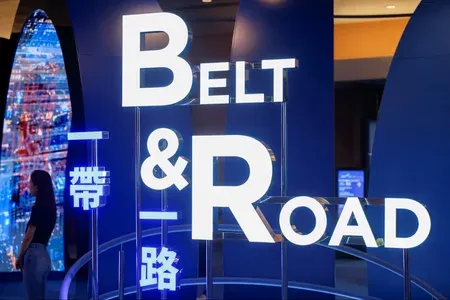
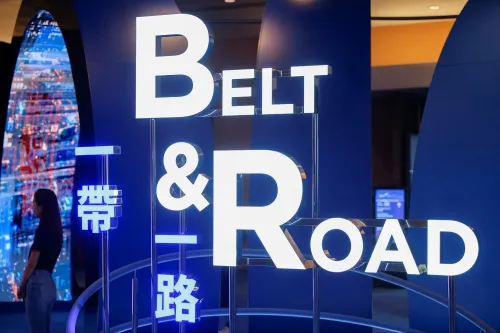
New Delhi, Jan 4 (NationPress) Reports indicate that China is focusing on northern Thailand, particularly along the Thai–Myanmar border, as part of its Belt and Road Initiative (BRI) to enhance strategic dominance in the region.
This initiative, which is framed as development support, has been highlighted in an article by the Myanmarese media outlet, The Irrawaddy.
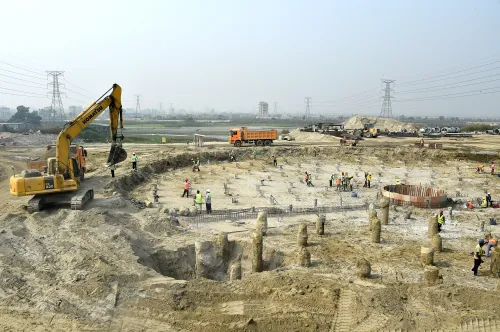
A proposal from a Chinese affiliate suggests the construction of a 172 km tunnel that would connect Mae Hong Son with Chiang Mai. The Chinese government is purportedly willing to provide 30-40 billion Thai baht in funding for infrastructure, contingent upon the signing of a Memorandum of Understanding (MoU).
While the project ostensibly addresses a genuine developmental challenge, as Mae Hong Son is among the poorest provinces in Thailand and economically disadvantaged by its mountainous geography and inadequate road access, thus hampering its integration into national supply chains, it promises to revolutionize travel time and bolster year-round connectivity. Local residents find the potential benefits appealing, especially given the sporadic and often underfunded efforts from the distant Thai capital, as noted in the article.
However, the strategic ramifications of China's involvement go far beyond mere provincial development. China Highway Engineering Consulting, a subsidiary of China Communications Construction, which has faced sanctions from the United States since 2020 for its involvement in South China Sea island-building, is a key player in advancing this project in Thailand.
This company has also been associated with numerous instances of corruption and malpractice in development projects globally, raising concerns over its participation, as highlighted in the article.
These connectivity initiatives in northern Thailand are interconnected with a developing cross-border logistical network linking the upper northern regions of Thailand to essential routes within Myanmar, the article emphasized.
This infrastructure project could facilitate improved transportation for minerals extracted from Myanmar, potentially including rare earth elements. If it proceeds, the demand for Myanmar's minerals could surge, further stimulating mining activities amidst a backdrop of political instability and a war economy, according to the article.
Moreover, the undertaking poses significant environmental risks for both Thailand and the entire Mekong and Salween River Basin. In this scenario, China transfers the risks to downstream communities while benefiting from its position as a major player in the global critical minerals supply chain, as per the article.
Point of View
It is crucial to recognize the implications of China's Belt and Road Initiative in Thailand. While development assistance is welcome, we must remain vigilant about the potential strategic and environmental consequences. Investments should prioritize the welfare of local communities and ensure sustainable practices.
NationPress
21 Sept 2026
Frequently Asked Questions
What is the Belt and Road Initiative?
The Belt and Road Initiative (BRI) is a global development strategy adopted by China, aimed at enhancing regional connectivity and economic collaboration through infrastructure development and investment.
What is the proposed project in northern Thailand?
The proposed project involves constructing a 172 km tunnel connecting Mae Hong Son with Chiang Mai, aimed at improving transportation and connectivity in the region.
Why is China's involvement concerning?
China's involvement raises concerns due to its history of corruption in global projects and the potential environmental impact on local ecosystems and communities.
How could this project affect the local economy?
The project could enhance local connectivity and potentially stimulate economic growth by facilitating access to resources, but it might also lead to increased mining activities amidst political instability.
What are the environmental implications?
The project poses significant environmental risks for Thailand and the Mekong and Salween River Basins, potentially harming local ecosystems and communities.