Chinese firms control 90% of Zimbabwe's lithium reserves, US panel warns
Synopsis
A US House of Representatives committee has found that Chinese firms control nearly 90 per cent of Zimbabwe's lithium — and the picture that emerges is troubling: contaminated rivers, bribed officials, unsafe workers, and communities with no effective recourse. As Zimbabwe rushes to ban raw lithium exports by 2026, the findings expose how critical mineral wealth in the Global South is being extracted at enormous local cost.
Key Takeaways
Chinese companies control nearly 90 per cent of Zimbabwe's lithium reserves, according to the US House Select Committee on China .
Alleged violations include worker safety failures , water contamination , groundwater depletion , and mineral smuggling .
Residents of Shurugwi have petitioned Zimbabwe's Parliament over environmental destruction and human rights violations at a Chinese-run open-pit mine.
Zimbabwe has moved its ban on lithium concentrate exports forward to 2026 from January 2027 to capture more value domestically.
China accounts for nearly 90 per cent of Zimbabwe's lithium exports and will be most affected by the ban.
A separate report flagged China's Tibet lithium operations as a 'quiet erosion of Tibetan autonomy,' with benefits flowing to mainland China while ecological and social costs remain local.
Chinese companies now control nearly 90 per cent of Zimbabwe's lithium reserves, according to findings cited by the Select Committee on China of the US House of Representatives, raising serious concerns about environmental damage, worker safety, and the exploitation of local communities. The findings were highlighted in a report by Kenya-based Capital News, which cited the committee's assessment that corruption and governance gaps have allowed several firms to operate with limited accountability.
Scale of Chinese Control
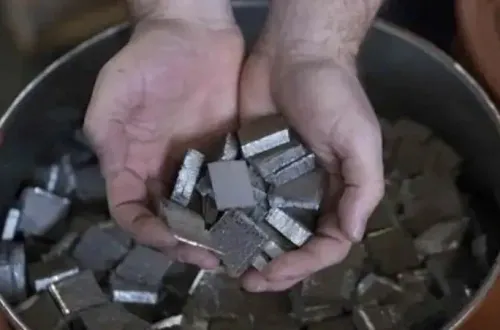
The committee's findings paint a stark picture of concentrated foreign ownership over one of Africa's most strategically significant mineral deposits. Chinese mining companies are alleged to expose workers to unsafe conditions, cause significant water contamination and groundwater depletion, and engage in mineral smuggling. The dominance extends to trade flows as well — China reportedly accounts for nearly 90 per cent of Zimbabwe's lithium exports.
Community Grievances and Environmental Damage
Residents of Shurugwi have petitioned Zimbabwe's Parliament to intervene, citing 'environmental destruction, public health risks and human rights violations' linked to an open-pit mine operated by a Chinese company. The petition accused mining operators of unsafe practices involving toxic chemicals and heavy metals that allegedly contaminated the Mutevekwi River and damaged local biodiversity.
Communities living near lithium mining areas have also complained about hazardous dust pollution directly linked to mining activities. According to the report, 'community groups also alleged that local grievance mechanisms remain ineffective and that some mining companies bribe officials and law enforcement officers to bypass regulations and continue exporting lithium products despite government restrictions.'
Zimbabwe's Policy Response
In a bid to reclaim strategic value from its lithium wealth, Zimbabwe moved to accelerate the implementation of a ban on exports of lithium concentrate to 2026, brought forward from the originally planned January 2027. The government recognises lithium's critical role in the global electric vehicle and battery supply chain and is pushing for domestic refining and processing to drive value addition and job creation. Harare is also reportedly exploring partnerships in the sector with countries including the United States.
Tibet Parallel: A Pattern of Resource Extraction
The Zimbabwe findings echo a separate report on China's large-scale lithium production that began in Tibet in 2025, described as a 'quiet erosion of Tibetan autonomy.' According to that report, the economic benefits of Tibetan lithium extraction primarily leave the region and 'flow eastward' to mainland China. 'The benefits flow eastward, while the costs — like ecological degradation, cultural dilution, and increased surveillance — are borne by Tibetans,' the report stated. This pattern, critics argue, reflects a broader model of resource extraction in which host communities bear the environmental and social costs while profits accrue elsewhere.
Global Stakes
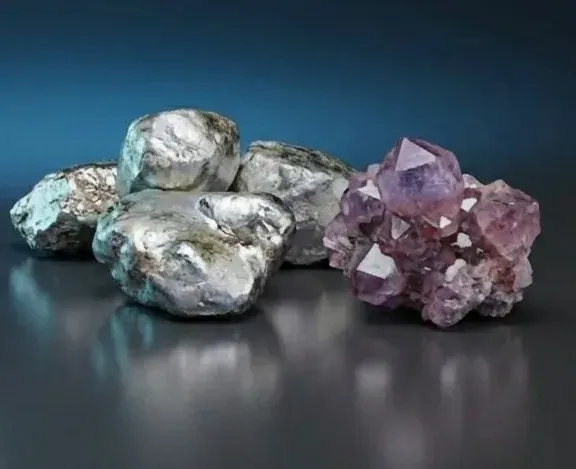
Lithium is a cornerstone of the global clean energy transition, essential for EV batteries and grid-scale storage. Zimbabwe holds some of the world's largest known lithium deposits, making Chinese control over those reserves a matter of geopolitical consequence well beyond southern Africa. The US committee's findings are likely to intensify scrutiny of Chinese mining practices in resource-rich developing nations, and add pressure on Western governments to offer credible alternative investment frameworks.
Point of View
But they should be read alongside a wider pattern: Chinese state-linked capital has systematically secured upstream positions in critical mineral supply chains across Africa, often in jurisdictions with weak governance. The 90 per cent control figure is not an accident — it reflects a deliberate resource strategy that Western governments were slow to counter. Zimbabwe's export ban is a corrective, but it arrives late and its enforcement will depend on the same governance structures the report identifies as compromised. The Tibet parallel is equally instructive: in both cases, the extraction model appears designed to externalise environmental and social costs onto host populations while concentrating economic gains. For India, which is building its own EV and battery ecosystem, the lesson is clear — securing lithium supply chains through transparent, accountable partnerships is a strategic imperative, not an option.
NationPress
28 Sept 2026
Frequently Asked Questions
How much of Zimbabwe's lithium do Chinese companies control?
Chinese companies reportedly control nearly 90 per cent of Zimbabwe's lithium reserves, according to findings cited by the US House of Representatives Select Committee on China. China also accounts for approximately 90 per cent of Zimbabwe's lithium exports.
What environmental and human rights concerns have been raised?
Residents of Shurugwi have petitioned Zimbabwe's Parliament over environmental destruction, public health risks, and human rights violations at a Chinese-run open-pit mine. Specific allegations include contamination of the Mutevekwi River with toxic chemicals and heavy metals, hazardous dust pollution, groundwater depletion, and unsafe working conditions for miners.
What is Zimbabwe doing to address Chinese dominance over its lithium?
Zimbabwe has moved to accelerate a ban on exports of lithium concentrate to 2026, brought forward from January 2027, to promote domestic refining and value addition. The government is also exploring sector partnerships with countries including the United States.
What did the US House committee say about governance and corruption?
The Select Committee on China alleged that corruption and governance gaps have allowed some Chinese firms to operate with limited accountability in Zimbabwe. Community groups reportedly alleged that mining companies bribe officials and law enforcement officers to bypass regulations and continue exporting lithium products despite government restrictions.
How does the Zimbabwe situation compare to China's lithium operations in Tibet?
A separate report found that China's large-scale lithium production in Tibet, which began in 2025, follows a similar pattern — economic benefits flow to mainland China while ecological degradation, cultural dilution, and increased surveillance are borne by local Tibetan communities. Critics argue both cases reflect a broader Chinese resource-extraction model that externalises costs onto host populations.