India's critical minerals strategy in Africa: Tech transfer, jobs, and long-term ties
Synopsis
While China and Western powers scramble to lock up Africa's critical minerals through extraction deals, India is quietly taking a different route — geological mapping in Zambia, sustainability-first lithium access in Zimbabwe, and IIT Madras-anchored workforce development in Tanzania. It's a slower bet, but potentially a stickier one.
Key Takeaways
African nations hold over 30 per cent of global reserves of critical minerals including copper , lithium , nickel , and graphite .
India is supporting geological mapping across thousands of square kilometres in Zambia to address data gaps in its copper sector.
Zimbabwe's lithium reserves are among the world's largest; global lithium consumption is projected to multiply several times by 2030 .
India is entirely import-dependent for lithium, making African supply diversification a strategic priority.
IIT Madras has established a campus in Zanzibar to support advanced education and technical training in Tanzania .
India's model emphasises technology transfer , local value addition , and workforce development over pure extraction.
African nations holding over 30 per cent of global reserves of critical minerals — including copper, lithium, nickel, and graphite — are actively seeking partnerships that go beyond extraction, prioritising technology transfer, local value addition, workforce development, and environmental accountability, according to an article published in One World Outlook. India's evolving engagement model is being cited as a notable departure from conventional resource diplomacy.
India's Collaborative Edge
Rather than positioning itself purely as a buyer or investor, India is reportedly building a reputation as a collaborator — one that aligns with local development priorities and pursues long-term partnerships. One World Outlook observes: "This difference may prove decisive." The approach contrasts sharply with extractive models that have historically left resource-rich African nations with limited economic returns. This comes amid intensifying global competition for critical minerals, as countries race to secure supply chains for electric vehicles, batteries, and clean energy technologies.
Zambia: Geological Mapping as a Foundation
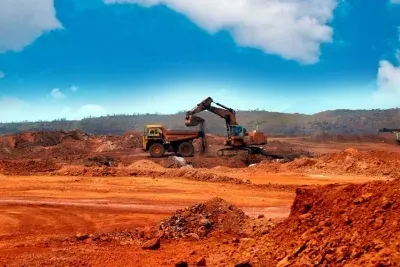
Zambia, endowed with rich copper reserves, illustrates the model in practice. Global copper demand is projected to surge significantly, with analysts forecasting a major supply gap by 2035. However, Zambia's mining sector has long struggled with a lack of reliable geological data — a gap that limits investor confidence and weakens the government's negotiating position.
India's engagement in Zambia has focused directly on this structural problem. By supporting geological mapping and early-stage exploration across thousands of square kilometres, Indian institutions are helping build a more robust national minerals database. According to the article, this strengthens policymaking, enhances transparency, and allows Zambia to capture greater value from its mineral wealth. Notably, this upstream collaboration prioritises foundation-building over immediate extraction — a model that carries significant weight in a sector historically defined by information asymmetry disadvantaging resource-rich nations.
Zimbabwe: Lithium and the Push for Local Processing
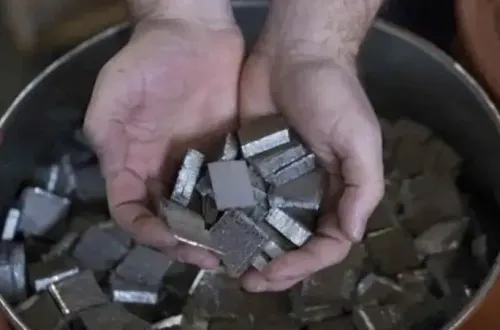
Zimbabwe holds some of the world's largest hard rock lithium reserves — a mineral whose global consumption is expected to multiply several times over by 2030, driven by battery technology demand. For India, which is entirely dependent on imports for lithium, diversifying supply sources is a strategic imperative.
The operating environment in Zimbabwe, however, presents challenges: regulatory shifts, environmental concerns, and entrenched competition from established players. The Zimbabwean government has also introduced policies restricting the export of raw lithium, pushing for local processing and value addition. The article suggests Indian firms have an opportunity to differentiate themselves by embedding sustainability into operations from the outset — through transparent environmental assessments, efficient resource use, community engagement, and fair compensation mechanisms. Such practices, it argues, reduce operational risk while building local legitimacy.
Tanzania: Workforce Development and the IIT Madras Connection
Tanzania holds significant reserves of graphite and nickel, both critical inputs for battery technologies. The country's core challenge is limited domestic capacity to process and refine these minerals — a bottleneck directly linked to workforce gaps. Without a skilled labour base, moving beyond raw material exports remains structurally constrained.
India's decades-long engagement in education and technical training provides a natural foundation for deeper cooperation here. Indian training programmes, scholarships, and technical partnerships have supported the development of thousands of Tanzanian professionals over the years. The establishment of the IIT Madras campus in Zanzibar represents a new phase of this engagement, offering advanced education and research opportunities within the region itself — a concrete institutional anchor for the partnership.
What This Means for the Global Critical Minerals Race
The broader context is one of accelerating geopolitical competition. Major powers — including China, the United States, and the European Union — are aggressively locking in critical mineral supply chains. India's approach, as described in the One World Outlook article, is quieter but potentially more durable: building institutional trust, sharing technical capacity, and aligning with host-country priorities rather than extracting on terms set by the investor. Whether this model can scale — and deliver commercially viable supply for India's own clean energy ambitions — will be the defining test of the strategy in the years ahead.
Point of View
But the gap between narrative and commercial delivery remains untested at scale. Geological mapping in Zambia and IIT campuses in Zanzibar are meaningful gestures, but Africa's resource-rich governments have heard partnership rhetoric before — from China, from France, from the World Bank. The decisive question is whether Indian firms can actually close offtake agreements, build refineries, and create local jobs at a pace that competes with Beijing's chequebook. India's collaborative framing is the right differentiation; execution at volume is the harder problem.
NationPress
13 Oct 2026
Frequently Asked Questions
Why are African nations important for India's critical minerals strategy?
African nations hold over 30 per cent of global reserves of critical minerals such as copper, lithium, nickel, and graphite — all essential for electric vehicles, batteries, and clean energy. India, which is entirely import-dependent for lithium, is actively seeking to diversify its supply sources by deepening partnerships across the continent.
What is India doing in Zambia's mining sector?
India is supporting geological mapping and early-stage exploration across thousands of square kilometres in Zambia to address the country's lack of reliable minerals data. This upstream collaboration helps Zambia strengthen its policymaking, attract investors, and negotiate from a more informed position.
How is India engaging with Zimbabwe on lithium?
Zimbabwe holds some of the world's largest hard rock lithium reserves, and Indian firms are being encouraged to embed sustainability — including environmental assessments, community engagement, and fair compensation — into their operations from the outset. Zimbabwe has also introduced policies restricting raw lithium exports to push for local processing.
What role does IIT Madras play in India's Africa engagement?
IIT Madras has established a campus in Zanzibar, Tanzania, offering advanced education and research opportunities within the region. This builds on decades of Indian training programmes and scholarships that have supported the development of thousands of Tanzanian professionals.
How does India's approach differ from other global players in Africa's minerals sector?
Unlike many investors focused primarily on extraction, India is positioning itself as a collaborator — supporting geological data, workforce training, and technology transfer aligned with host-country priorities. According to One World Outlook, this long-term alignment model may prove more durable than conventional resource diplomacy.