How is India and Africa Strengthening Their Partnerships in the Critical Minerals Sector?
Synopsis
India is reshaping its relationship with Africa by focusing on critical minerals and fostering inclusive growth. As partnerships deepen, the potential for economic transformation in Africa is promising. This report explores the collaborative efforts aimed at tapping into Africa's mineral wealth for a sustainable future.
Key Takeaways
India's investment in Africa exceeds $80 billion, focusing on sustainable development.
Joint ventures and local processing are key for long-term value .
Collaborative partnerships aim to transform mineral wealth into industrial strength.
Doubling bilateral trade by 2030 is a mutual goal.
Technology is essential for enhancing agricultural practices and renewable energy.
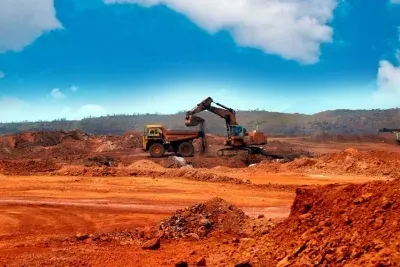
New Delhi, Oct 31 (NationPress) India is making significant strides in converting Africa's rich mineral resources into industrial power, fostering inclusive growth, according to a report released on Friday.
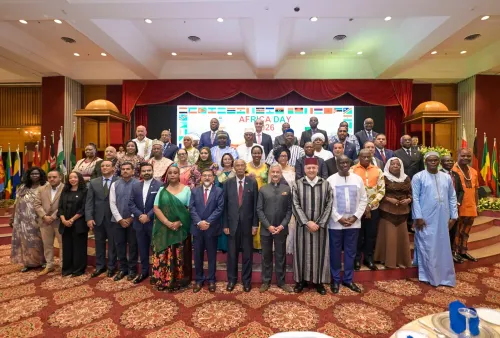
During the 20th CII India–Africa Business Conclave, India underscored the importance of cooperative partnerships with African nations in the critical minerals sector, asserting that these valuable resources rightfully belong to Africa, as highlighted by Independent Online (IOL).
Sevala Naik Mude, Additional Secretary in India's Ministry of External Affairs, pointed out that India's strategy is collaborative rather than exploitative, focusing on local industrialization and job creation instead of just extracting valuable minerals.
The report mentioned that India has offered preferential access for African exports, both processed and unprocessed, through the Duty-Free Tariff Preference Scheme.
Mude stressed the necessity for enhanced joint ventures, local processing facilities, and manufacturing collaborations that can yield greater long-term benefits.
“Through sharing best practices, aligning policies, constructing industries, and developing skills, we can leverage Africa’s critical minerals not only for economic advantages but also for building a sustainable and inclusive future,” he stated.
Currently, India ranks as the fifth-largest investor in Africa, with investments surpassing $80 billion, which are not confined to mining but also encompass manufacturing, value addition, and services.
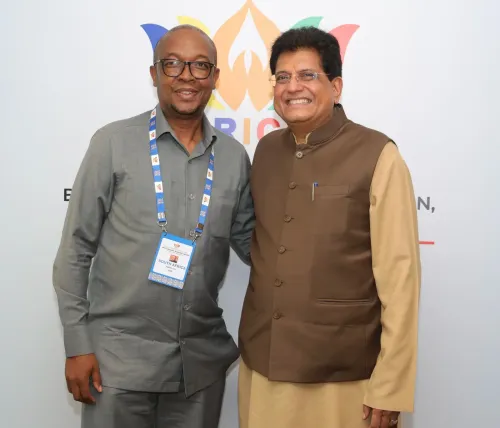
Union Minister of Commerce and Industry Piyush Goyal emphasized at the event that India and Africa need to aim to double their bilateral trade by 2030, concentrating on value addition, technology-driven agriculture, renewable energy, and healthcare.
Gwede Mantashe, South Africa’s Minister of Mineral and Petroleum Resources, noted at the G20 Critical Minerals Stakeholder Engagement that resource-rich countries like South Africa often experience job losses and diminished profits due to concentrated global supply chains.
These nations also face challenges such as underdeveloped infrastructure and insufficient investment in extraction and processing, as reported by the South African publication quoting Mantashe.
Point of View
I believe that India's approach to partnering with Africa in the critical minerals sector is a significant step towards mutual growth and sustainable development. By prioritizing collaboration and local empowerment, both regions can unlock a wealth of opportunities that will benefit not only their economies but also their communities.
NationPress
20 Sept 2026
Frequently Asked Questions
What is the significance of India's investment in Africa's minerals?
India's investment in Africa's minerals is crucial for fostering economic growth and industrial development in both regions, focusing on sustainable practices and job creation.
How does India ensure a collaborative approach in mineral extraction?
India emphasizes partnerships, local processing, and joint ventures to ensure that the extraction of minerals benefits African nations, rather than exploiting resources.
What role does technology play in this partnership?
Technology is central to enhancing agricultural practices, renewable energy initiatives, and healthcare, driving sustainable development in Africa.
How much has India invested in Africa?
India has invested over $80 billion in Africa, making it the fifth-largest investor on the continent, with diverse interests spanning beyond mining.
What are the challenges faced by resource-rich countries like South Africa?
Resource-rich countries often face challenges such as job losses due to global supply chains, underdeveloped infrastructure, and inadequate investment in extraction and processing.