Sitharaman Slams Karnataka Over Jan Aushadhi Kendra Closures
Synopsis
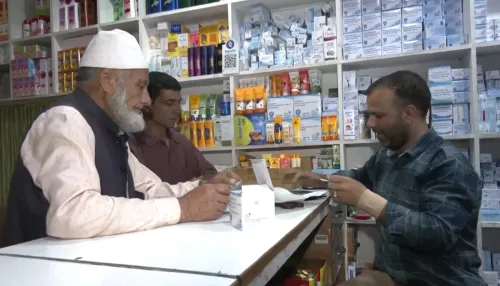
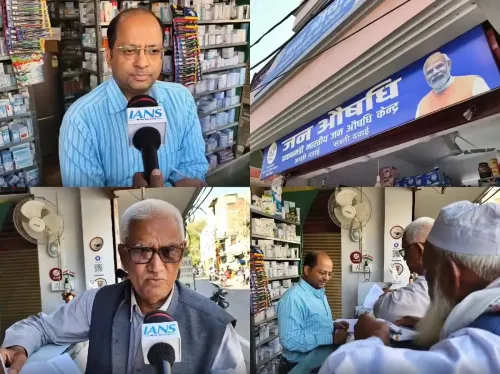
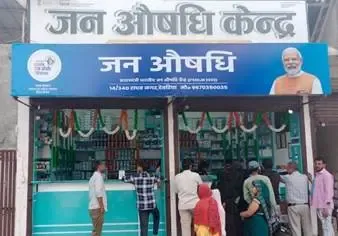
Finance Minister Nirmala Sitharaman, speaking in Bengaluru, accused the Congress-led Karnataka government of briefly shutting Jan Aushadhi Kendras — centres that make medicines up to 60% cheaper — calling the move an attack on the poor and middle class and a reflection of Congress's political pettiness.
Key Takeaways
Union Finance Minister Nirmala Sitharaman criticised the Karnataka government in Bengaluru on 14 June 2026 for briefly closing Jan Aushadhi Kendras.
Jan Aushadhi Kendras, under the Pradhan Mantri Bharatiya Jan Aushadhi Pariyojana , offer generic medicines at up to 60% lower prices than branded equivalents.
Sitharaman cited a cumulative saving of nearly ₹40,000 crore for families attributed to the scheme under PM Modi 's government.
The scheme was first launched in 2008 and relaunched in 2016 with a mandate to expand kendras nationwide.
The BJP has used welfare-scheme implementation gaps in opposition-ruled states as a consistent political contrast point.
The Karnataka Congress government had not issued a public rebuttal to the specific allegations at the time of this report.
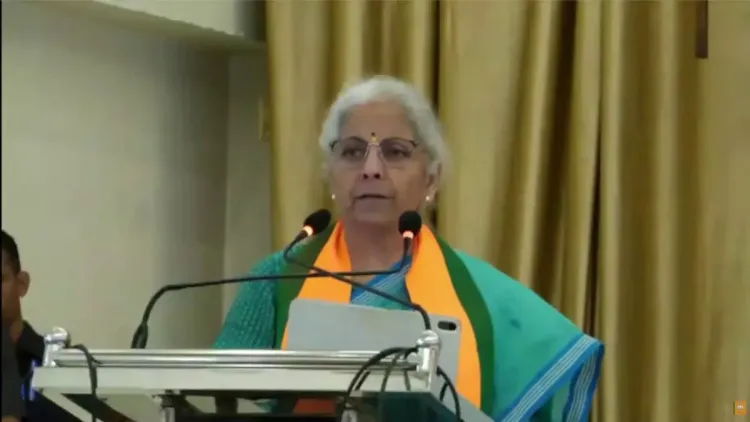
Union Finance Minister Nirmala Sitharaman, speaking in Bengaluru on Sunday, 14 June 2026, sharply criticised the Karnataka state government for briefly shutting Jan Aushadhi Kendras, accusing the Congress-ruled administration of hurting the poor and middle class by disrupting access to affordable generic medicines.
Context
In her post on X, Sitharaman stated that under Prime Minister Narendra Modi's leadership, Jan Aushadhi Kendras have made medicines up to 60% cheaper and saved families nearly ₹40,000 crore. She said the Karnataka government's decision to briefly shut these centres was directed at 'the poor and middle class, the very people these schemes are meant to serve.'
Sitharaman added pointedly: 'It shows their pettiness but that's how the Congress actually works.' The remarks were part of a series of posts, marked as the second in a thread, made during what appears to be a visit to Bengaluru.
Policy Backdrop
The Pradhan Mantri Bharatiya Jan Aushadhi Pariyojana (PMBJP) is a central government scheme operated by the Department of Pharmaceuticals that sells quality generic medicines at prices 50–90% lower than branded equivalents. The scheme was first launched in 2008 and relaunched in its current form in 2016, with successive targets to expand the number of kendras across the country.
Out-of-pocket expenditure on medicines remains a significant burden on Indian households, particularly for low-income families. Centrally-sponsored welfare schemes such as PMBJP have frequently become flashpoints between the Union government and opposition-ruled states over operational control and political credit.
Stakeholders and Impact
The primary beneficiaries of Jan Aushadhi Kendras are low-income families and patients managing chronic conditions who rely on affordable generic alternatives to branded drugs. Any disruption to kendra operations — even temporary — can force patients back to costlier branded medicines from private pharmacies.
The Indian National Congress-led Karnataka government has not, as of this report, issued a detailed public response to Sitharaman's specific allegations regarding the closures. The episode adds to a running pattern of BJP leaders using welfare-scheme implementation as a political contrast point against Congress-governed states.
What's Next
Attention will now turn to whether the Karnataka government issues a formal clarification or rebuttal regarding the reported closures and the timeline of any reopening. At the national level, the Union Health Ministry and parliamentary health committees are expected to continue reviewing the expansion and operational health of Jan Aushadhi Kendras across all states.
If the political dispute escalates, it could prompt a formal parliamentary question or a Union government directive to states on uninterrupted operation of PMBJP outlets — a move that would sharpen the Centre-state friction over welfare delivery heading into the next legislative session.
Point of View
She forces the state government into a defensive posture on welfare delivery. The Jan Aushadhi scheme has become a reliable BJP talking point precisely because generic-medicine access resonates across income groups, making any perceived disruption politically costly for the opposition. This episode fits a broader BJP strategy of using Centre-state friction over centrally-sponsored schemes to paint Congress administrations as obstructionist. The durability of that narrative will depend on how quickly — and transparently — Karnataka resolves the kendra closures.
NationPress
13 Sept 2026
Frequently Asked Questions
What are Jan Aushadhi Kendras and how do they help patients?
Jan Aushadhi Kendras are government-run outlets under the Pradhan Mantri Bharatiya Jan Aushadhi Pariyojana that sell quality generic medicines at prices 50–90% lower than branded equivalents, reducing out-of-pocket health spending for low-income and middle-class families.
Why did Nirmala Sitharaman criticise the Karnataka government?
Sitharaman accused the Congress-led Karnataka government of briefly shutting Jan Aushadhi Kendras, arguing the closures denied affordable medicines to the poor and middle class who depend on these centres.
How much have Jan Aushadhi Kendras saved Indian families?
Sitharaman stated in her post that Jan Aushadhi Kendras have saved families nearly ₹40,000 crore, though this figure has not been independently verified against the latest official government reports.
When was the Jan Aushadhi scheme launched?
The scheme was first launched in 2008 by the Department of Pharmaceuticals and was relaunched in 2016 as the Pradhan Mantri Bharatiya Jan Aushadhi Pariyojana with expanded targets for kendra openings across India.
Has the Karnataka government responded to Sitharaman's allegations?
As of this report, the Karnataka government had not issued a detailed public response to Sitharaman's specific allegations about the temporary closure of Jan Aushadhi Kendras in the state.