Sitharaman at HSBC India's Digital Inclusion Event in Mumbai
Synopsis
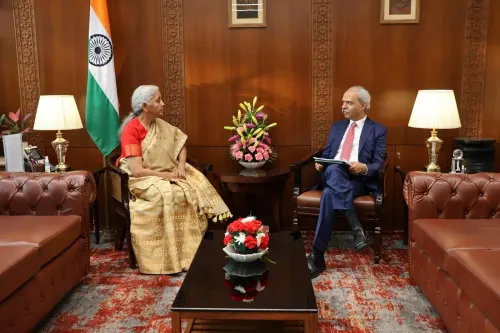
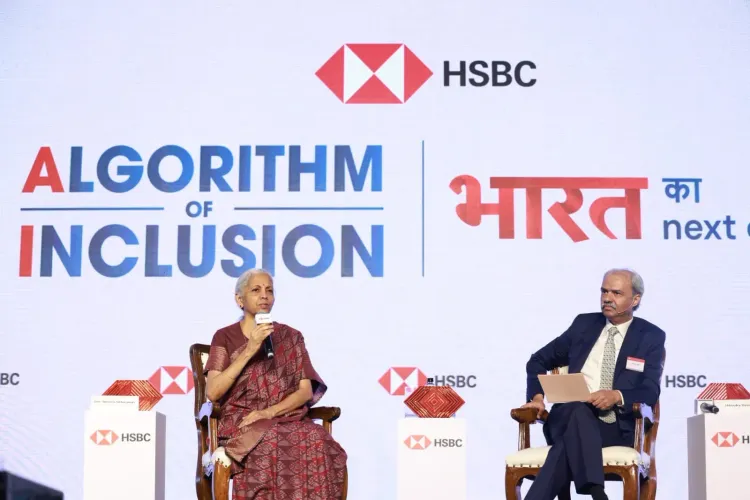
Union Finance Minister Nirmala Sitharaman joined HSBC India's 'Algorithm of Inclusion – भारत का Next Click' interactive session in Mumbai on November 2, spotlighting India's ongoing push to deepen digital financial inclusion.
Key Takeaways
Union Finance Minister Nirmala Sitharaman participated in an interactive session at HSBC India 's 'Algorithm of Inclusion – भारत का Next Click' event on November 2, 2026 .
The event was held in Mumbai, Maharashtra , India's financial capital and home to the Reserve Bank of India .
HSBC India is the domestic arm of global banking giant HSBC Holdings, with a significant corporate, retail, and digital banking footprint in India.
The event's theme centred on expanding digital financial inclusion — reaching citizens still outside the formal financial ecosystem.
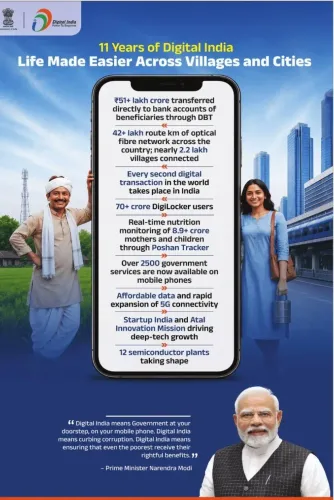
India's digital finance drive traces back to the Digital India programme launched in 2015 , encompassing Jan Dhan accounts, UPI, and fintech regulation.
Any policy signals from the session are expected to filter into the next Union Budget or Economic Survey .
Digital financial inclusion took centre stage in Mumbai on Monday, November 2, 2026, as Union Finance Minister Nirmala Sitharaman participated in an interactive session at HSBC India's flagship event, 'Algorithm of Inclusion – भारत का Next Click' ('Algorithm of Inclusion – India's Next Click'), held in the country's financial capital.
A Global Bank's Inclusion Conversation, and Why the Finance Minister Showed Up
HSBC India, the domestic arm of one of the world's largest banking groups, convened the event as a platform to debate and shape India's digital-finance frontier. The choice of title — 'भारत का Next Click' — signals a focus on the next wave of digital adoption: moving beyond urban, tech-savvy users toward the millions still on the margins of formal finance. Having the Finance Minister in the room, engaging interactively rather than simply delivering a keynote, underscores how seriously the government treats industry partnerships in this space.
India's Digital Finance Push — The Policy Engine Behind the Room
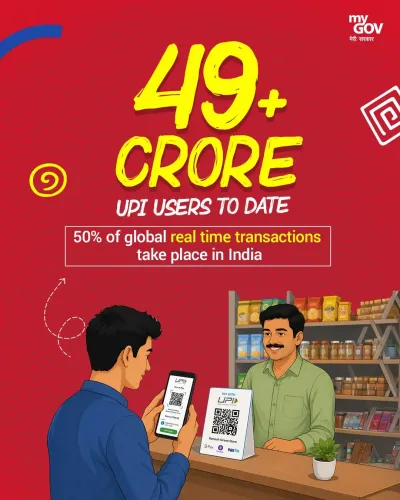
The session sits within a decade-long policy arc. Since the launch of the Digital India programme in 2015, successive governments have used a combination of infrastructure investment, Jan Dhan accounts, UPI, and regulatory nudges to wire hundreds of millions of previously unbanked citizens into the formal economy. The momentum is real: India's UPI ecosystem now processes billions of transactions monthly, a scale that global financial institutions — HSBC among them — cannot afford to ignore.
For policymakers, events like this serve a dual purpose: signalling continued openness to foreign banking capital and gathering ground-level intelligence from institutions operating at the intersection of global finance and Indian retail. Fintech regulation, last-mile credit access, and the architecture of digital public infrastructure are all live debates — the kind that benefit from frank off-the-record exchanges between regulators, ministers, and industry.
Mumbai: Where Policy Meets Capital
Mumbai, home to the Reserve Bank of India and the headquarters of India's largest banks, is the natural venue for such a conversation. The city functions as the nerve centre where fiscal policy, monetary signals, and private capital meet — making Sitharaman's presence here, rather than in Delhi, a deliberate statement about engaging finance on its own turf.
What specific positions Sitharaman staked out in the session, and whether any concrete policy signals emerged, will be closely watched in the lead-up to the next Union Budget and Economic Survey — two documents where fintech regulation and digital inclusion are increasingly central chapters.
Point of View
Such interactions often serve as informal signal-gathering exercises, helping the ministry calibrate its regulatory and fiscal stance on digital public infrastructure. The optics of a minister engaging 'interactively' — rather than simply speaking — suggest an intent to listen as much as to signal.
NationPress
2 Nov 2026
Frequently Asked Questions
What is the HSBC India 'Algorithm of Inclusion' event?
The 'Algorithm of Inclusion – भारत का Next Click' is an event organised by HSBC India to discuss the next phase of digital financial inclusion in the country, bringing together policymakers, banking executives, and fintech stakeholders.
Why did Nirmala Sitharaman attend the HSBC India event in Mumbai?
Union Finance Minister Nirmala Sitharaman participated in an interactive session at the event, reflecting the government's ongoing engagement with the banking and fintech industry on digital inclusion policy.
What is Digital India and how does it relate to financial inclusion?
Digital India is a programme launched in 2015 to expand digital infrastructure and services across sectors. In finance, it has underpinned initiatives like Jan Dhan accounts and UPI to bring millions of unbanked citizens into the formal economy.
What policy signals could come from Sitharaman's interaction at HSBC's event?
Analysts will watch for any follow-up signals on fintech regulation or digital inclusion in the next Economic Survey or Union Budget, where such themes have become increasingly central.