Sitharaman in Chennai: Thirumurai Panns Live On in Carnatic Music
Synopsis
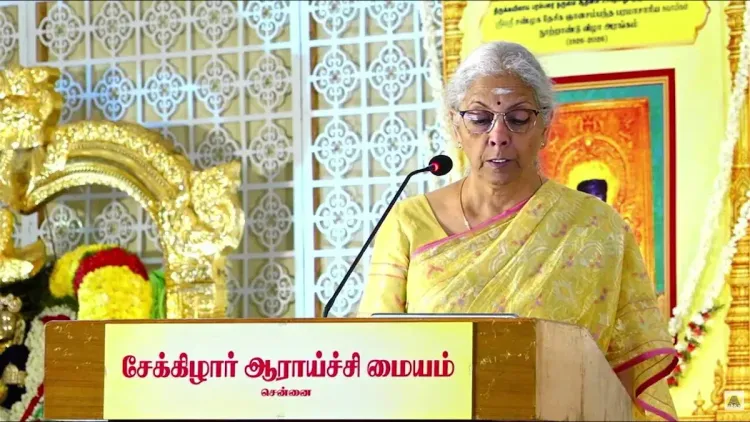
Union Finance Minister Nirmala Sitharaman, speaking in Chennai, highlighted the direct musical lineage from ancient Thirumurai panns to present-day Carnatic ragas, noting that temple cantors called Ōthuvāmūrthikaḷ still follow thousand-year-old notational instructions.
Key Takeaways
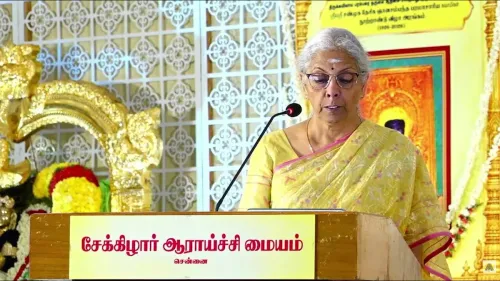
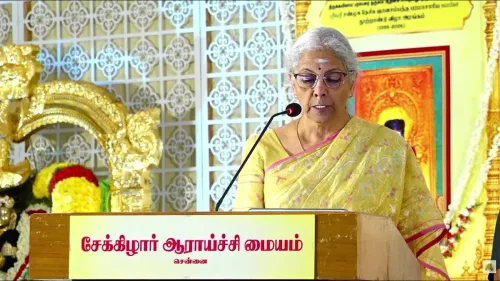
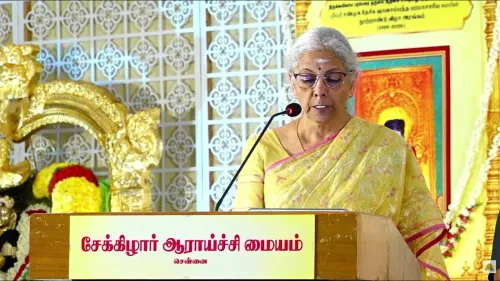
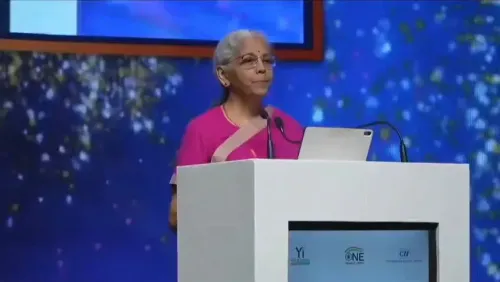
Union Finance Minister Nirmala Sitharaman made these remarks at a speech in Chennai , posted on 1 August 2026 .
She stated that many ragas on today's Carnatic music stages trace their origins to the panns (modal frameworks) of the Thirumurai hymns.
The Thirumurai compilers recorded the specific pann for each hymn over a thousand years ago , and those instructions are still followed.
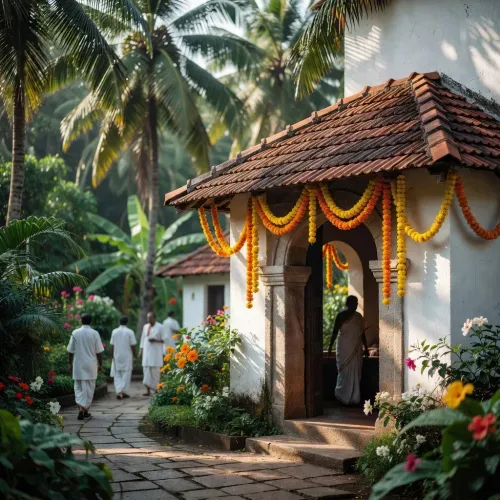
Hereditary temple cantors known as Ōthuvāmūrthikaḷ continue to sing these hymns in temples using the original prescribed panns.
The post is marked 1/n , indicating further remarks from the Chennai speech are to follow in the thread.
A thousand years before concert halls existed, Tamil Shaiva poets encoded their devotional hymns with precise musical notations — and those same melodies, Union Finance Minister Nirmala Sitharaman pointed out in Chennai, are still being sung today. Speaking at an event in the city, Sitharaman reflected on the remarkable continuity of the Thirumurai tradition and its living presence in both Carnatic concert stages and temple sanctuaries.
What Sitharaman said about the Thirumurai's musical legacy
Quoting her own remarks in the thread, Sitharaman observed: 'The contribution of the Thirumurai to our musical heritage is astonishing. Many of the ragas performed on Carnatic music stages today trace their origins to the panns in which the Thirumurai were set.' She added a detail that underscores just how deliberate this heritage is — the compilers of these hymns recorded, over a thousand years ago, the exact panns in which each song was to be sung. Ōthuvāmūrthikaḷ (temple cantors) continue to follow that same prescription in temples to this day.
Panns, ragas, and a millennium of musical memory
The Thirumurai — the twelve-volume canon of Tamil Shaiva devotional poetry composed roughly between the 7th and 12th centuries CE — is among the most systematically documented musical corpora in the ancient world. The panns, the modal melodic frameworks used to set these hymns, are widely regarded by musicologists as precursors to or parallel streams of the raga system that defines Carnatic music today. The fact that the original notational instructions survive and are still observed by Ōthuvāmūrthikaḷ — hereditary temple singers trained in this specific tradition — makes the lineage not merely historical but actively practised.
Sitharaman's remarks are part of a longer thread (marked 1/n), suggesting further observations from the Chennai speech are forthcoming. The broader cultural moment is significant: political figures across the spectrum have periodically invoked this musical lineage at Tamil Nadu events to affirm regional artistic identity within a national heritage narrative — but the level of musical specificity in Sitharaman's framing stands out.
Why this matters beyond the stage
The Ōthuvāmūrthikaḷ community, which has preserved this oral-musical tradition through hereditary practice, has long sought greater institutional recognition. Any government attention — even at the level of a senior minister's public acknowledgement — keeps the conversation about heritage preservation alive. Whether Sitharaman's Chennai remarks will translate into policy interest in temple-music preservation or Thirumurai-linked cultural programmes remains to be seen from the rest of the thread.
A civilisation that wrote down its music a thousand years ago, and still sings it the same way — that is not nostalgia. That is architecture.
Point of View
Referencing panns, Ōthuvāmūrthikaḷ, and notational continuity, signals a more substantive engagement than routine tribute. If the rest of the thread touches on institutional support or policy for heritage preservation, it could mark a shift from cultural acknowledgement to cultural governance. For now, the remarks add a senior voice to the long-standing case made by temple-music practitioners for greater recognition.
NationPress
1 Aug 2026
Frequently Asked Questions
What is the Thirumurai and why is it important to Carnatic music?
The Thirumurai is a twelve-volume canon of Tamil Shaiva devotional poetry composed between the 7th and 12th centuries CE. Its hymns were set to specific modal frameworks called panns, which are closely related to the raga system of Carnatic music, making it a foundational source for the classical tradition.
What are panns in Tamil music?
Panns are ancient Tamil modal melodic frameworks, analogous to ragas, used to set the devotional hymns of the Thirumurai. Musicologists regard them as precursors to or parallel streams of the raga system that defines Carnatic music today.
Who are Othuvamurthikal?
Ōthuvāmūrthikaḷ are hereditary temple cantors trained in the tradition of singing Thirumurai hymns in Tamil Shaiva temples. They follow the original pann notations prescribed over a thousand years ago, keeping this living musical tradition intact.
What did Nirmala Sitharaman say about Tamil music in Chennai?
Sitharaman stated that the Thirumurai's contribution to India's musical heritage is astonishing, noting that many Carnatic ragas performed today originate from the panns of the Thirumurai, and that Ōthuvāmūrthikaḷ still follow thousand-year-old notational instructions in temples.
Is there a government policy to preserve Thirumurai music traditions?
No specific government policy on Thirumurai preservation was announced in this post. Sitharaman's Chennai remarks are part of a longer thread, and any policy dimensions may emerge from subsequent posts in the series.