Sitharaman Marks 9 Years of GST, Touts Next Gen Reforms
Synopsis
On the ninth anniversary of GST, Finance Minister Nirmala Sitharaman highlighted 'Next Gen GST' as a continuing evolution of India's indirect tax system, promising lower compliance, greater transparency, and improved consumer and business experience.
Key Takeaways
GST turned nine years old on 1 July 2026 , marking nearly a decade since the unified indirect tax replaced 17 central and state levies.
Finance Minister Nirmala Sitharaman cited 'Next Gen GST' as delivering lower compliance burdens and stronger competitiveness for businesses.
The GST Council , comprising Union and state finance ministers, has driven successive rate rationalisations and digital upgrades since 2017.
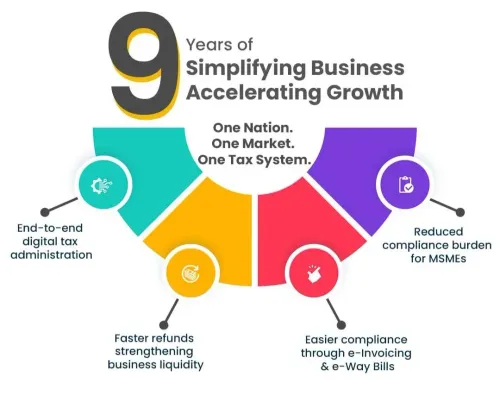
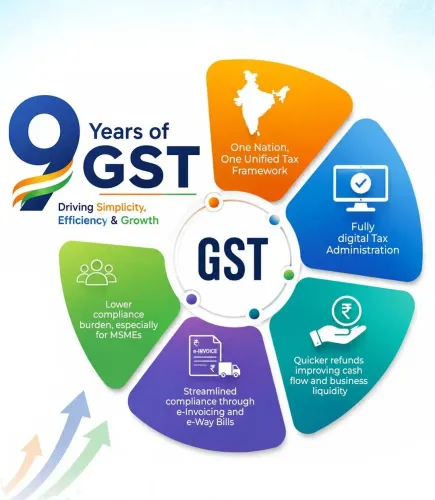
Tools such as e-invoicing and the GSTN portal have progressively reduced manual compliance load for taxpayers.
Upcoming GST Council meetings are expected to deliberate on further rate rationalisation and portal modernisation.
The government's framing positions GST as a living, evolving system rather than a completed reform.
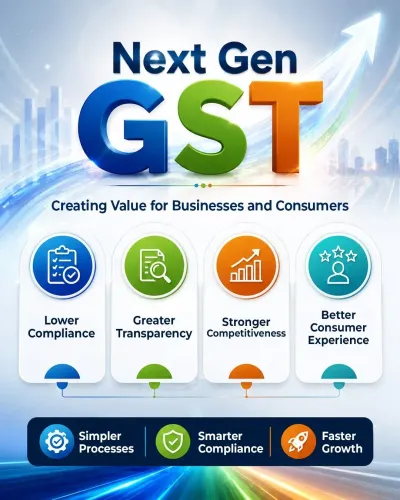
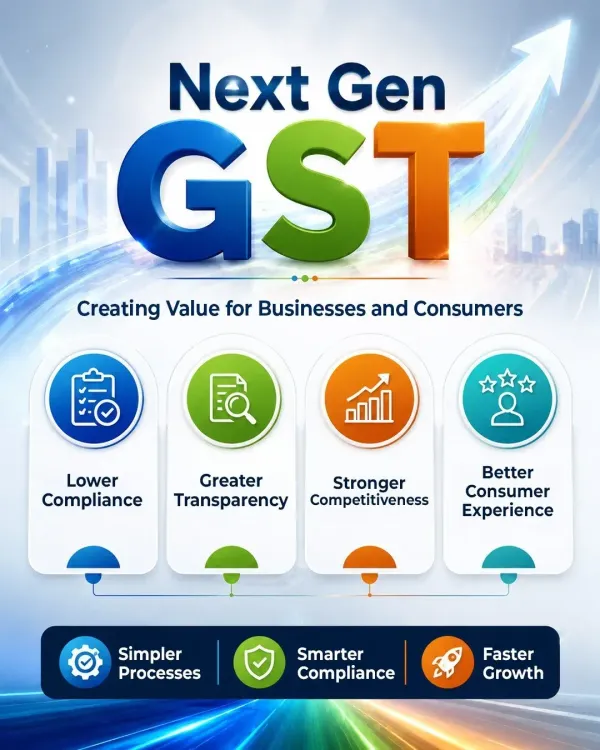
Union Finance Minister Nirmala Sitharaman on Wednesday, 1 July 2026 marked the ninth anniversary of the Goods and Services Tax, crediting the regime's evolution — including what she termed 'Next Gen GST' — with delivering lower compliance burdens, greater transparency, and stronger competitiveness for businesses and consumers alike.
Context
GST was launched on 1 July 2017, subsuming 17 different taxes and cesses — including central excise duty, service tax, and state VAT — into a single national indirect tax framework. The rollout was described at the time as the most sweeping tax reform since Independence, aimed at eliminating the cascading effect of multiple levies and creating a unified national market. Nine years on, Sitharaman used the milestone to underline the regime's maturation rather than its origins. In her post, Sitharaman wrote: 'Next Gen GST is creating value for both businesses and consumers through lower compliance, greater transparency and stronger competitiveness. GST continues to strengthen India's indirect tax ecosystem while improving ease of doing business and consumer experience.'Policy Backdrop
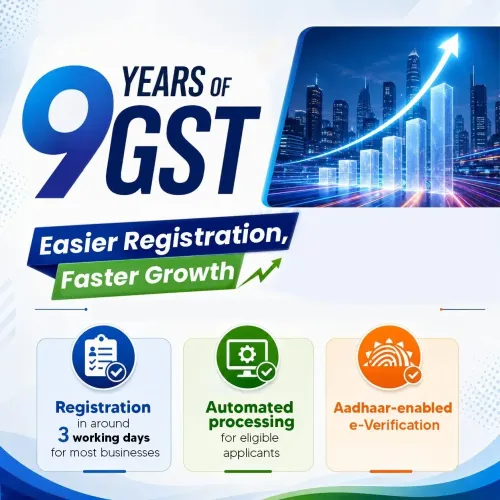
Since its inception, the GST Council — the constitutional body comprising the Union Finance Minister and state finance ministers — has driven successive rounds of rate rationalisation, procedural simplification, and anti-evasion measures. Tools such as e-invoicing, real-time return reconciliation, and the GST Network (GSTN) portal have progressively tightened compliance while reducing the manual burden on taxpayers. The phrase 'Next Gen GST' reflects the ongoing modernisation agenda within the same reform trajectory — encompassing upgraded digital infrastructure, smarter analytics for revenue intelligence, and streamlined filing processes. The GST Council has met repeatedly over the past two years to deliberate on further rate consolidation and portal enhancements, signalling that the reform is treated as a living system rather than a completed project.Stakeholders and Impact
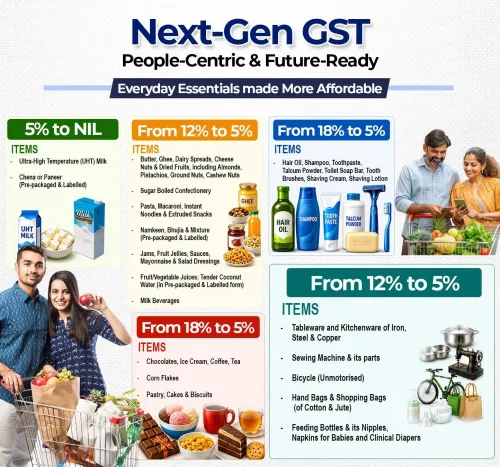
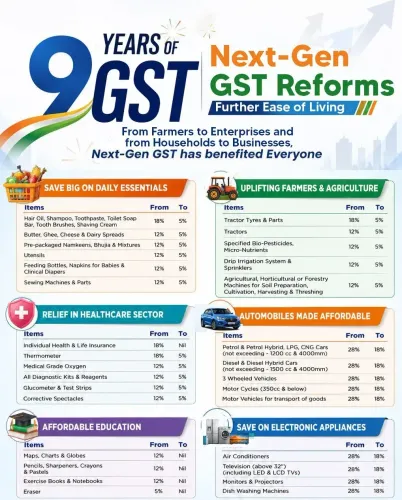
Businesses, particularly small and medium enterprises, have been among the most directly affected constituencies of GST's evolution. Early compliance complexity drew criticism from traders and MSMEs, but successive simplifications — including the Quarterly Return Monthly Payment (QRMP) scheme and composition levy thresholds — have eased the load for smaller filers. Consumers have seen the benefit principally through the elimination of tax-on-tax cascading, which economists argued inflated end prices across supply chains. The government has also pointed to rate reductions on everyday goods — from sanitary products to household appliances — as evidence that the GST Council actively uses the mechanism to manage cost-of-living pressures. The finance ministry's framing of 'Next Gen GST' positions these gains as continuing and deepening rather than plateauing.What's Next
Attention will now turn to upcoming GST Council meetings, where further rate rationalisation proposals and potential portal upgrades are expected to be on the agenda. The ninth anniversary provides the government a political moment to consolidate the reform's narrative ahead of any new structural changes. Sitharaman's emphasis on 'ease of doing business and consumer experience' signals that the ministry views both the supply side and demand side as benchmarks for measuring GST's continued success — a framing likely to shape how future Council decisions are communicated publicly.Point of View
Forward-moving reform under the BJP's stewardship. By anchoring the message in 'Next Gen GST' rather than origin-story nostalgia, the finance ministry signals that the reform's political capital now lies in its modernisation arc, not merely its conception. The dual emphasis on businesses and consumers is also notable: it addresses two constituencies that have historically had divergent assessments of GST's impact. With GST Council meetings on the horizon, this communication sets the tone for how structural changes will be sold to the public.
NationPress
1 Jul 2026
Frequently Asked Questions
What is Next Gen GST in India?
'Next Gen GST' refers to the ongoing modernisation of India's GST framework, encompassing upgraded digital infrastructure on the GSTN portal, smarter compliance tools such as e-invoicing, and streamlined return-filing processes — all aimed at reducing taxpayer burden and improving revenue intelligence.
When was GST introduced in India?
GST was introduced in India on 1 July 2017 , replacing 17 different central and state taxes and cesses to create a unified national indirect tax system.
What did Nirmala Sitharaman say about GST on its 9th anniversary?
Sitharaman said that 'Next Gen GST is creating value for both businesses and consumers through lower compliance, greater transparency and stronger competitiveness,' and that GST continues to strengthen India's indirect tax ecosystem.
How has GST benefited consumers in India?
Consumers have benefited primarily through the elimination of cascading taxes — where tax was levied on tax across supply chains — and through rate reductions on everyday goods including household appliances and sanitary products.
What is the GST Council and what does it do?
The GST Council is a constitutional body comprising the Union Finance Minister and state finance ministers. It recommends GST rates, exemptions, and procedural changes, and has driven successive simplifications and anti-evasion measures since 2017.