US-Iran indirect talks in Doha focus on MoU implementation, frozen assets
Synopsis
US envoys Witkoff and Kushner are in Doha but won't meet Iranian officials directly — a telling detail about how fragile this diplomatic architecture really is. Iran's parliament speaker has laid out five explicit preconditions before any final agreement talks begin, including lifting the US naval blockade and releasing $6 billion in frozen assets. The gap between Washington's implementation-first framing and Tehran's preconditions-first stance is the central tension that Qatar and Pakistan are now racing to bridge.
Key Takeaways
Indirect US-Iran talks are underway in Doha on 1 July 2025 , mediated by Qatar and Pakistan .
US envoys Steve Witkoff and Jared Kushner are in Doha but will hold no direct meetings with Iranian officials.
Talks focus on implementing the MoU signed in Islamabad on 17 June , covering frozen assets and maritime security. $6 billion in frozen Iranian assets has not yet been transferred to Tehran, according to Qatar's foreign ministry.
Iranian Parliament Speaker Mohammad Baqer Qalibaf has set five preconditions — including lifting the US naval blockade and reopening the Strait of Hormuz — before final agreement talks can begin.
A joint Iran-US-Lebanon committee has been agreed upon to enforce the ceasefire in Lebanon, with both Iran and the US having named representatives.
Indirect talks between the United States and Iran are underway in Doha on Wednesday, 1 July, facilitated by Qatar and Pakistan, as both sides work through the terms of a recently signed diplomatic agreement. The sessions are being held without face-to-face contact between American and Iranian delegations, with mediators shuttling between the two sides.
How the Talks Are Structured
'The talks are taking place indirectly now, with no face-to-face meetings between the two sides,' a source said. 'The sessions are closed and are being facilitated by the mediators.'
The discussions centre on implementing the Memorandum of Understanding (MoU) reached in Islamabad on 17 June, covering two primary issues: the release of frozen Iranian assets and maritime security arrangements in the Strait of Hormuz.
US Envoys Arrive, No Direct Meetings Planned
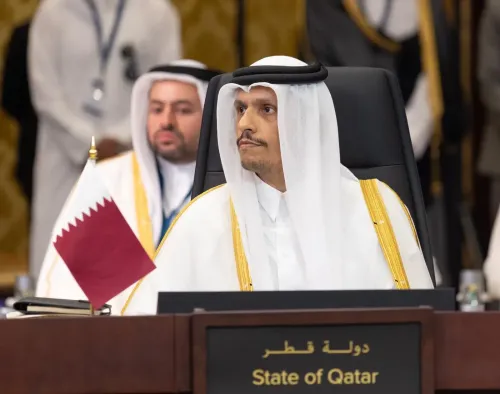
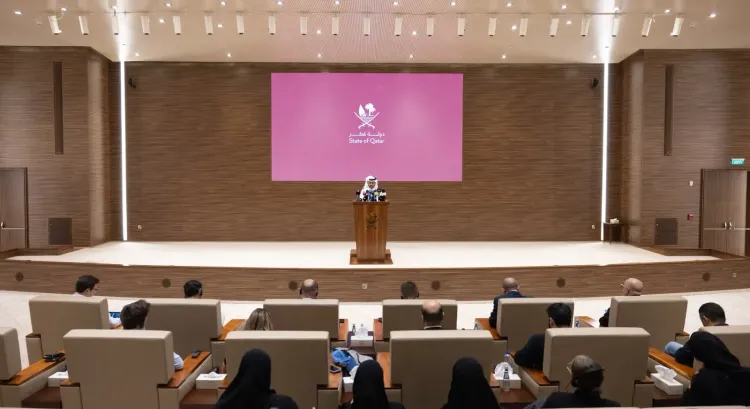
Qatar confirmed on Tuesday that US President Donald Trump's special envoys Steve Witkoff and Jared Kushner have arrived in Doha but will not hold direct meetings with Iranian officials. Qatari Foreign Ministry spokesperson Majed Al-Ansari, speaking at the weekly press briefing, said the US delegation would instead engage with mediators to assess progress on MoU implementation.
Al-Ansari also confirmed that the $6 billion in frozen Iranian assets has not yet been transferred to Tehran — a sticking point that reportedly continues to shadow the broader diplomatic process.
Conflicting Narratives From Washington and Tehran
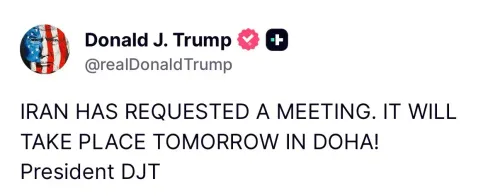
The talks have been accompanied by conflicting characterisations from both capitals. Washington has described the Doha discussions as part of an implementation process for the MoU, while Tehran has denied that any direct negotiations with US officials are scheduled — a distinction that underscores the fragility of the current diplomatic arrangement.
Notably, this is not the first time the two sides have offered divergent accounts of their contacts, reflecting deep mutual distrust that mediators are attempting to bridge.
Iran's Conditions for Advancing Talks
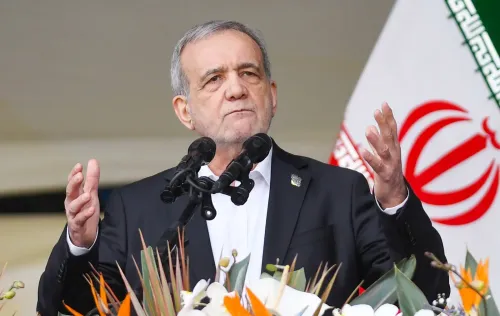
Iranian Parliament Speaker Mohammad Baqer Qalibaf, who also heads Iran's negotiating team, said in an interview with state broadcaster IRIB TV that Iran will not enter negotiations on a final agreement unless specific preliminary provisions of the MoU are fulfilled first.
Qalibaf outlined five conditions that must be met before further implementation begins: ending the war on all fronts including Lebanon, lifting the US naval blockade, reopening the Strait of Hormuz, issuing US waivers for Iranian crude oil exports, and releasing the frozen Iranian assets. He said Iran's recent engagement in Switzerland was aimed at advancing these provisions.
On the Lebanon front, Qalibaf said Iran, the United States, and Lebanon have agreed to form a joint committee to enforce the ceasefire and uphold Lebanese sovereignty. He added that Iran and the US have already named their respective representatives to the committee.
What Comes Next
The trajectory of the Doha process will depend heavily on whether mediators can bridge the gap between Washington's implementation-first approach and Tehran's preconditions-first stance. With frozen assets still untransferred and maritime arrangements unresolved, the talks remain at an early and delicate stage. Any breakthrough — or breakdown — in Doha could have significant implications for regional stability and global energy markets.
Point of View
Closed, mediated — reflects how little trust exists between Washington and Tehran despite a signed MoU. The fact that $6 billion in frozen assets remains untransferred weeks after the Islamabad agreement suggests implementation is already lagging the diplomatic calendar. Qalibaf's five-preconditions framework is not a negotiating tactic so much as a sequencing demand: Iran wants deliverables before it commits to the harder conversations. The real question is whether Qatar and Pakistan have enough leverage with both sides to convert shuttle diplomacy into concrete movement, or whether Doha becomes another procedural milestone that changes nothing on the ground.
NationPress
1 Jul 2026
Frequently Asked Questions
What are the US-Iran indirect talks in Doha about?
The talks, held on 1 July 2025 in Doha, focus on implementing the Memorandum of Understanding signed between the US and Iran in Islamabad on 17 June. Key issues include the release of $6 billion in frozen Iranian assets and maritime security arrangements in the Strait of Hormuz.
Why are the talks indirect with no face-to-face meetings?
The US and Iran are not holding direct meetings due to deep mutual distrust and conflicting characterisations of the diplomatic process. US envoys Steve Witkoff and Jared Kushner are engaging only with mediators Qatar and Pakistan, who then relay positions to the Iranian side.
What are Iran's five preconditions for advancing negotiations?
Iranian Parliament Speaker Mohammad Baqer Qalibaf has said Iran requires five conditions to be met first: ending wars on all fronts including Lebanon, lifting the US naval blockade, reopening the Strait of Hormuz, issuing US waivers for Iranian crude oil exports, and releasing frozen Iranian assets.
Has the $6 billion in frozen Iranian assets been released?
No. Qatari Foreign Ministry spokesperson Majed Al-Ansari confirmed that the $6 billion in frozen Iranian assets has not yet been transferred to Tehran, despite it being a central element of the Islamabad MoU.
Who is mediating the US-Iran talks in Doha?
Qatar and Pakistan are serving as mediators, facilitating closed sessions between the two sides. Qatar's foreign ministry has been the primary public voice confirming the structure and status of the talks.