Sitharaman meets Bihar Chamber of Commerce delegation
Synopsis
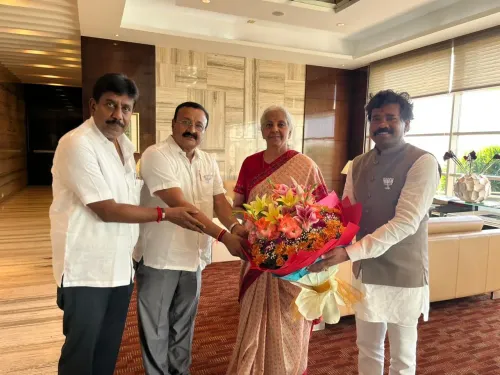
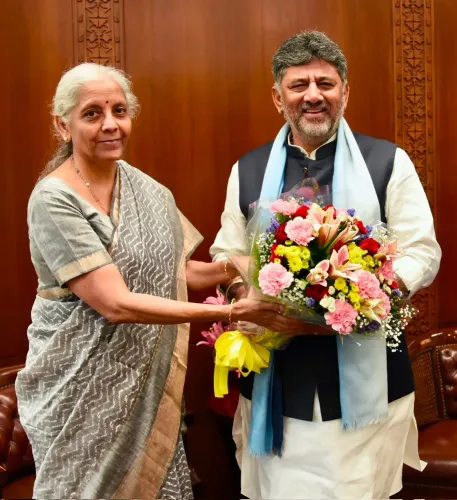
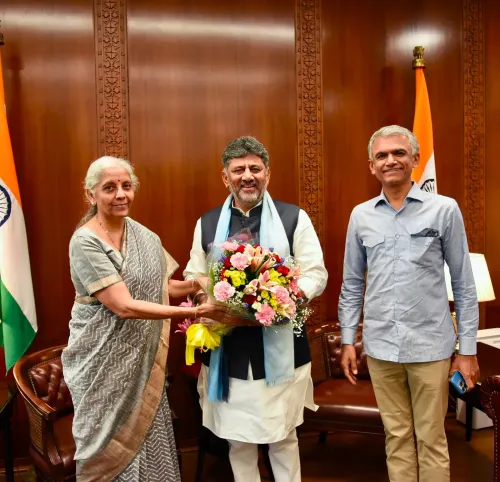
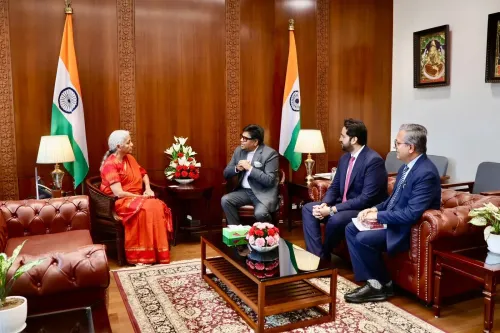
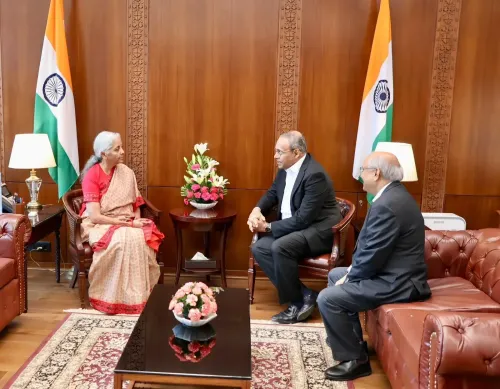
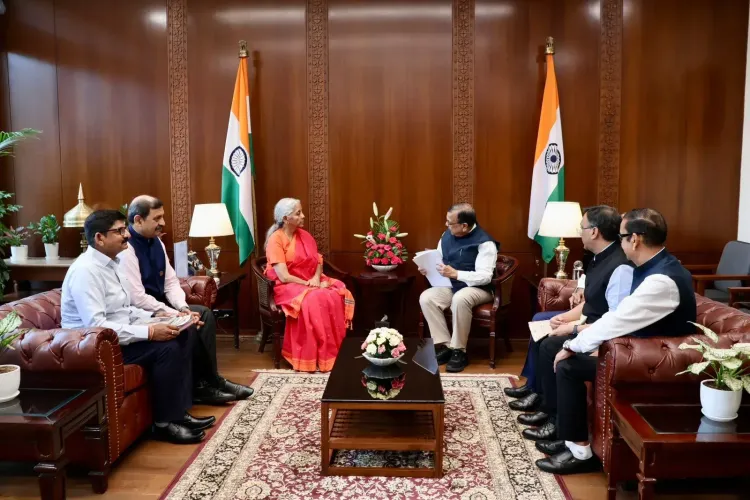
Union Finance Minister Nirmala Sitharaman on June 23, 2026 received a delegation from the Bihar Chamber of Commerce and Industries, led by President P.K. Agrawal, in a meeting reflecting the Finance Ministry's standard pre-budget engagement with regional industry bodies.
Key Takeaways
Union Finance Minister Nirmala Sitharaman met the Bihar Chamber of Commerce and Industries (BCCI) delegation on June 23, 2026 .
The delegation was led by BCCI President Shri P.K.
Such meetings are part of a recurring pre-budget consultation practice between the Finance Ministry and state industry chambers.
Bihar has been seeking greater central support for its MSME and manufacturing sectors under national frameworks like Make in India .
No specific agenda or outcomes of the meeting were disclosed publicly.
The interaction is part of broader federal economic coordination between central ministers and regional business bodies.
Union Finance Minister Nirmala Sitharaman received a delegation from the Bihar Chamber of Commerce and Industries (BCCI) on Tuesday, June 23, 2026, led by its President, Shri P.K. Agrawal. The meeting is part of the Finance Ministry's ongoing engagement with regional industry bodies ahead of the Union Budget cycle.
Context
The BCCI is Bihar's principal state-level industry representative body, advocating for policies that support investment, manufacturing, and small businesses in one of India's fastest-growing eastern states. Delegations of this kind typically present memoranda covering taxation, infrastructure, credit access, and sector-specific relief measures.
The meeting was confirmed through the Finance Minister's official handle, which noted that the delegation 'calls on Smt. Sitharaman' — standard diplomatic phrasing for a formal courtesy-cum-advocacy visit to a senior minister.
Policy Backdrop
Finance Ministers have held pre-budget consultations with state chambers of commerce as a recurring institutional practice, with such rounds documented in multiple budget cycles including 2024. These consultations allow regional business communities to place their concerns directly before the minister responsible for framing the Union Budget.
Bihar has been actively positioning itself for greater central support under national frameworks such as Make in India, with a particular focus on expanding its MSME and manufacturing base. Central government engagement with state chambers forms a key pillar of federal economic coordination, even when no specific commitments are announced publicly.
Stakeholders and Impact
The primary stakeholders in this interaction are Bihar's industrial and trading community, including manufacturers, exporters, and small and medium enterprises that look to the BCCI to amplify their policy demands at the national level. Issues typically raised by eastern state chambers include logistics costs, power tariffs, credit availability for MSMEs, and rationalisation of the Goods and Services Tax (GST) on select commodities.
For Bihar, which has been pushing for enhanced allocation under central schemes and better infrastructure connectivity, direct access to the Finance Minister represents a critical opportunity to shape budget priorities. The state's business community has consistently sought parity in industrial incentives compared with more industrialised states.
What's Next
The specific agenda and outcomes of this meeting were not disclosed in the post. Observers will watch for any Bihar-specific measures in the next Union Budget or in revisions to central industrial policy frameworks. Such consultations often feed into the Finance Ministry's internal deliberations, even if their influence on final budget decisions remains opaque to the public.
As the 2027 Union Budget cycle approaches, regional chambers across India are expected to intensify their engagement with North Block, making meetings like this one a standard but consequential feature of India's federal economic calendar.
Point of View
A state that has consistently sought greater central investment support and MSME incentives, securing face time with the Finance Minister is itself a political and economic signal. The engagement also reflects the BJP's continued attention to Bihar, a politically significant state, ahead of future electoral and budgetary cycles. While no commitments were announced, such interactions shape the informal inputs that inform budget priorities.
NationPress
23 Jun 2026
Frequently Asked Questions
Why did the Bihar Chamber of Commerce meet Nirmala Sitharaman?
The Bihar Chamber of Commerce and Industries delegation met Finance Minister Nirmala Sitharaman to present the state's business community's policy concerns and priorities, as part of the Finance Ministry's standard pre-budget consultation process with regional industry bodies.
Who is P.K. Agrawal in the context of this meeting?
Shri P.K. Agrawal is the President of the Bihar Chamber of Commerce and Industries (BCCI), the state-level body that represents Bihar's business and industrial community, and he led the delegation that called on Finance Minister Sitharaman on June 23, 2026.
What issues does the Bihar Chamber of Commerce typically raise with the Finance Ministry?
State chambers like the BCCI typically raise issues such as GST rationalisation, credit access for MSMEs, logistics and infrastructure costs, power tariffs, and sector-specific relief measures when meeting with the Finance Minister.
Is this meeting part of the Union Budget consultation process?
Yes, Finance Ministers routinely conduct pre-budget consultations with state chambers of commerce, a practice documented across multiple budget cycles, allowing regional business communities to place their concerns before the minister who frames the Union Budget.
What is Bihar's economic priority in its engagement with the central government?
Bihar has been focused on expanding its MSME and manufacturing base, seeking greater central support under frameworks like Make in India, and pushing for enhanced allocations and infrastructure investment to accelerate industrial growth in the state.