Sitharaman Meets Street Vendors at Bengaluru Cleanliness Drive
Synopsis
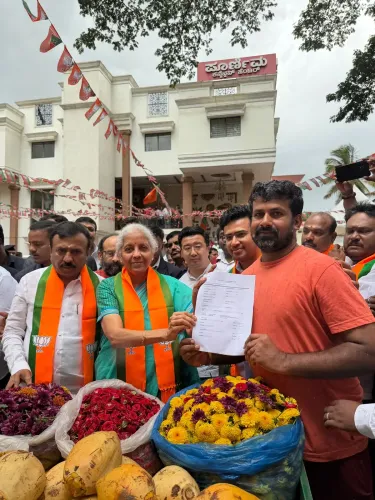
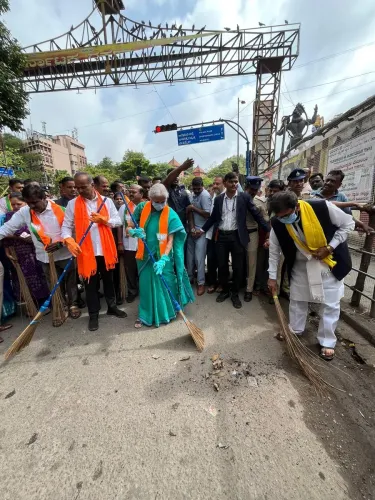
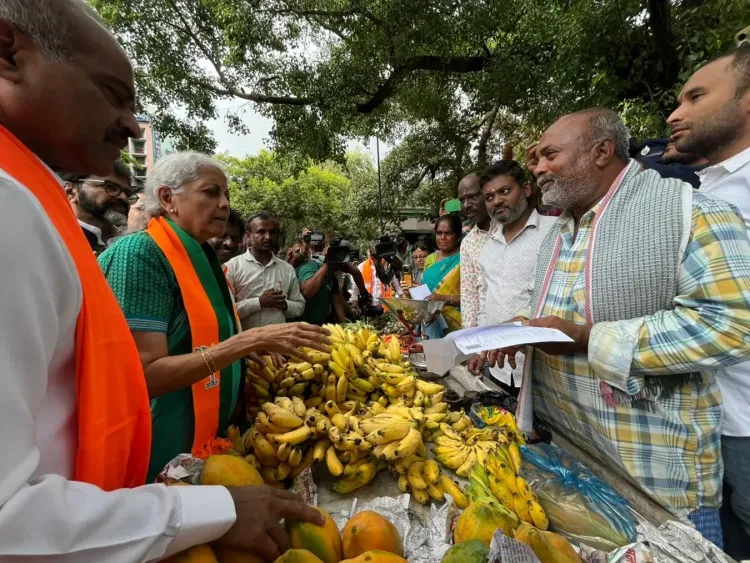
Union Finance Minister Nirmala Sitharaman interacted with street vendors during a cleanliness drive in Bengaluru on June 14, 2026, spotlighting Central Government schemes including PM SVANidhi and self-employment support under the #12YearsOfSeva campaign.
Key Takeaways
Nirmala Sitharaman met street vendors at a cleanliness drive in Bengaluru on June 14, 2026 .
She highlighted Central Government initiatives on street vending and self-employment, including the PM SVANidhi micro-credit scheme.
PM SVANidhi was launched in June 2020 to provide collateral-free working-capital loans to street vendors.
The event was part of the #12YearsOfSeva campaign marking twelve years of NDA governance.
The engagement combined outreach under the Swachh Bharat Mission with communication of livelihood and credit schemes for the informal sector.
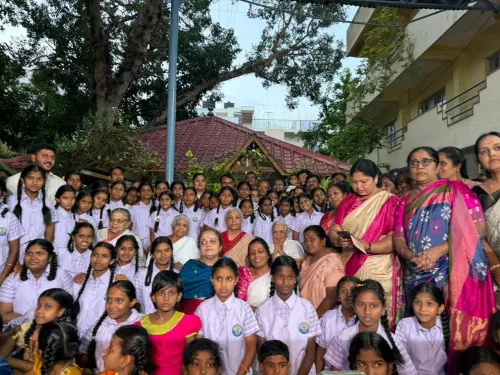
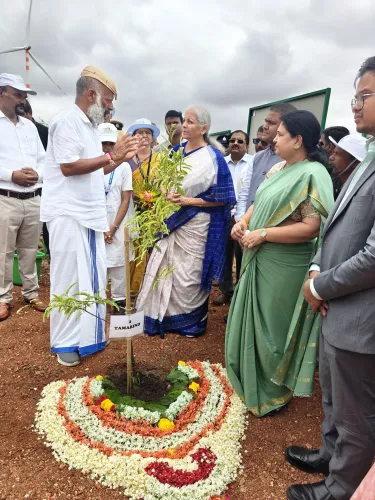
Union Finance Minister Nirmala Sitharaman interacted with street vendors during a cleanliness drive in Bengaluru on Sunday, June 14, 2026, speaking to them about Central Government schemes supporting street vending and self-employment. The engagement combined urban sanitation outreach with on-ground communication of welfare initiatives targeting the informal sector.
Context
The interaction took place on the sidelines of a cleanliness drive in Bengaluru, Karnataka's capital. The Kannada-language portion of the post notes that ಶ್ರೀಮತಿ @nsitharaman ಅವರು ಬೆಂಗಳೂರಿನ ಸ್ವಚ್ಛತಾ ಅಭಿಯಾನದ ಸಂದರ್ಭದಲ್ಲಿ ಬೀದಿ ಬದಿ ವ್ಯಾಪಾರಿಗಳೊಂದಿಗೆ ಸಂವಾದ ನಡೆಸಿದರು ['Smt Sitharaman interacted with street vendors during Bengaluru's cleanliness drive']. The event was tagged #12YearsOfSeva, a hashtag marking twelve years of NDA governance and used to highlight welfare outreach across the country.
Street vendors form one of the most visible segments of India's informal economy, concentrated in urban centres such as Bengaluru. Ministerial-level engagement with this community has become a recurring feature of government outreach, particularly during cleanliness campaigns linked to the Swachh Bharat Mission.
Policy Backdrop
A central scheme discussed in such interactions is PM Street Vendor's AtmaNirbhar Nidhi (PM SVANidhi), a micro-credit programme launched in June 2020 to extend collateral-free working-capital loans to street vendors as part of pandemic relief. The scheme has since expanded to include digital payment incentives and credit-score building for first-time borrowers in the formal financial system.
The Swachh Bharat Mission, launched in 2014, has frequently been paired with urban vendor support activities, creating a dual focus on sanitation and livelihood formalisation. The government's broader strategy since 2014 has sought to bring street vendors into regulated frameworks through credit access, identity documentation, and vending zone demarcation.
Stakeholders and Impact
The primary beneficiaries of the schemes highlighted are street vendors and self-employed individuals in urban and semi-urban areas. Access to collateral-free credit under PM SVANidhi allows vendors to avoid high-interest informal lending, rebuild working capital, and establish a formal credit history.
For Bengaluru, a city with a large and diverse street-vendor population, direct ministerial engagement signals continued federal attention to the urban informal workforce. Similar interactions by senior ministers have been reported in multiple cities, reinforcing the scheme's national reach and the government's communication strategy around self-reliance and self-employment.
What's Next
Observers will watch for updates from the Ministry of Housing and Urban Affairs on PM SVANidhi loan disbursement figures and vendor rehabilitation targets in major cities. The #12YearsOfSeva campaign is expected to continue driving similar outreach events across states, with Finance Ministry participation underlining the credit and livelihood dimensions of welfare delivery. Sustained engagement at the ground level could translate into renewed push for expanded loan limits or digital-payment incentives under the scheme.
Point of View
A numerically significant and economically vulnerable constituency, in a southern metro also reflects the party's sustained outreach strategy in Karnataka. The dual focus on cleanliness and credit access keeps two flagship mission brands visible simultaneously.
NationPress
14 Sept 2026
Frequently Asked Questions
What did Nirmala Sitharaman do at the Bengaluru cleanliness drive?
She interacted with street vendors, speaking to them about Central Government schemes supporting street vending and self-employment, including the PM SVANidhi micro-credit programme.
What is the PM SVANidhi scheme?
PM SVANidhi — PM Street Vendor's AtmaNirbhar Nidhi — is a Central Government scheme launched in June 2020 that provides collateral-free working-capital loans to street vendors, helping them avoid informal moneylenders and build a formal credit history.
What is the #12YearsOfSeva hashtag about?
#12YearsOfSeva marks twelve years of NDA governance and is used to highlight welfare and development outreach events conducted by BJP leaders and Central Government ministers across the country.
How does the Swachh Bharat Mission connect to street vendor welfare?
The Swachh Bharat Mission, launched in 2014, has frequently been combined with urban vendor support activities, creating a dual focus on sanitation and livelihood formalisation for vendors in Indian cities.
Why did Sitharaman visit Bengaluru for this event?
Bengaluru is Karnataka's capital and home to a large street-vendor population. The visit was part of a broader government pattern of ministerial-level outreach to urban informal workers during cleanliness and welfare campaigns.