Sitharaman Inaugurates Farmers' Training Centre in Yadgir, Karnataka
Synopsis
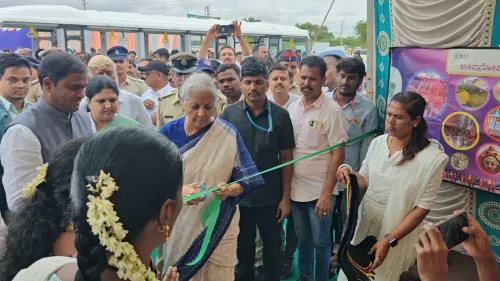
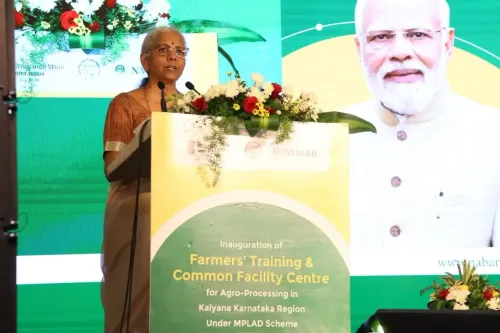
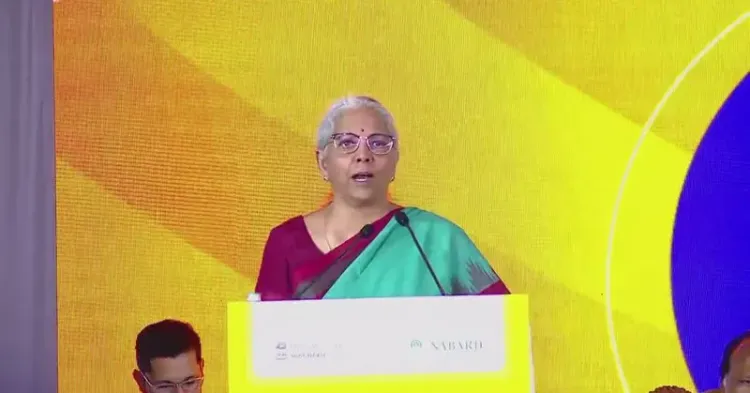
Union Finance Minister Nirmala Sitharaman inaugurated a Farmers' Training and Common Facility Centre in Yadgir, Karnataka, livestreaming her address. The facility targets small and marginal farmers in a rain-fed district known for pulses and cotton, extending India's district-level extension architecture into the Kalyana Karnataka region.
Key Takeaways
Nirmala Sitharaman inaugurated a Farmers' Training and Common Facility Centre in Yadgir, Karnataka.
The event was livestreamed via her official X handle on Thursday.
Yadgir is a predominantly rain-fed district growing pulses and cotton.
Such centres extend the Krishi Vigyan Kendra model dating to 1974.
Facilities are typically funded via central schemes routed through NABARD or state departments.
Karnataka has seen multiple such centres announced for its northern and eastern districts.
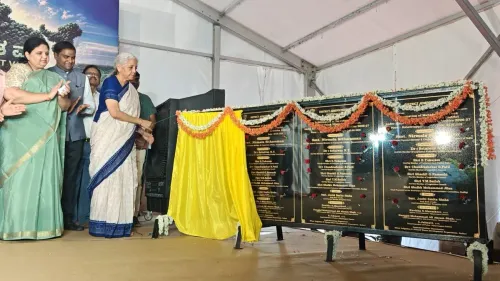
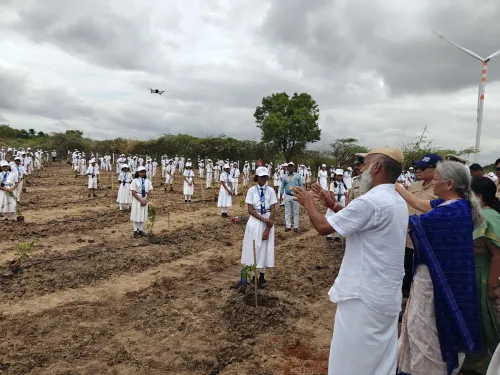
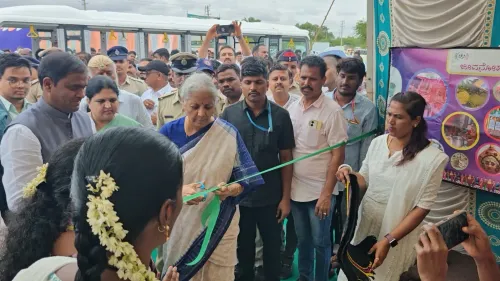
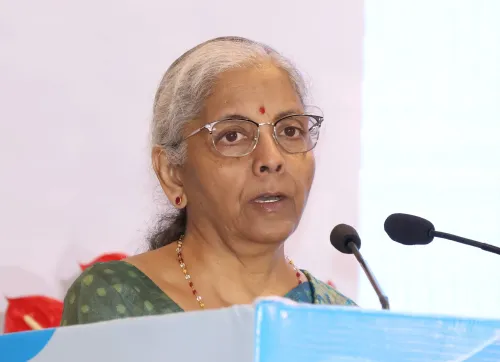
Union Finance Minister Nirmala Sitharaman on Thursday inaugurated a Farmers' Training and Common Facility Centre in Yadgir district of Karnataka, with the event livestreamed on her official social media handle. The minister's office announced the address from the inauguration ceremony, signalling continued central focus on agricultural extension infrastructure in northern Karnataka.
The post from Sitharaman's official handle read, 'Watch LIVE: Smt @nsitharaman's address at the inauguration ceremony of the Farmers' Training & Common Facility Centre in Yadgir, Karnataka', accompanied by a livestream link. The brief announcement framed the event as a public address tied to a physical facility handover in the district.
Context
Yadgir is a district in northern Karnataka characterised by predominantly rain-fed agriculture, with farmers cultivating pulses, cotton and other dryland crops. The region has historically lagged on agricultural extension density and post-harvest infrastructure compared with southern Karnataka, making dedicated training and common facility centres a recurring ask from local cooperatives.
Training and common facility centres typically bundle classroom instruction, demonstration plots, storage, primary processing equipment and shared machinery for use by small and marginal farmers. The model aims to reduce per-farmer capital expenditure while improving exposure to modern practices and value-addition techniques.
Policy backdrop
India's district-level farmer training architecture traces back to the establishment of Krishi Vigyan Kendras from 1974 onward, which created a nationwide network for technology transfer and farm advisory. Subsequent central schemes have layered common facility centres, custom hiring centres for farm machinery, and processing hubs on top of that base.
Such facilities are commonly funded through central schemes routed via NABARD or state agriculture departments, and are typically inaugurated by senior ministers during state visits. Karnataka has seen multiple such facilities announced in recent union budgets to address regional gaps in its eastern and northern districts, including the Kalyana Karnataka belt of which Yadgir is part.
For the Finance Minister, who steers both budgetary allocations and the corporate affairs portfolio, presence at a farm-sector inauguration also underscores the budget-to-ground link the ministry seeks to highlight after each annual cycle.
Stakeholders and impact
The primary beneficiaries are small and marginal farmers in and around Yadgir, along with agricultural cooperatives and self-help groups that can access shared equipment and training modules. Improved access to extension services can shape input choices, cropping patterns and post-harvest losses for pulses and cotton growers in the district.
State agriculture officials, local elected representatives and farmer producer organisations are typically co-stakeholders in operating such centres. The viability of the facility will depend on uptake by farmer groups and the depth of programming offered beyond the inauguration phase.
What's next
Observers will watch for the state-level rollout of additional training centres under the same funding window, and for any supplementary grants for Karnataka agriculture infrastructure in the next union budget. The operational model of the Yadgir centre, including its course calendar and equipment list, is likely to be detailed by state agriculture authorities in the coming weeks.
If the Yadgir facility builds visible throughput in its first cropping cycle, it could become a template for similar centres in adjoining districts of the Kalyana Karnataka region, where rain-fed agriculture continues to define livelihoods.
Point of View
Linking budget announcements to visible ground-level assets. For the Finance Minister, a Yadgir visit also extends the BJP's outreach into the Kalyana Karnataka belt, where the Congress retains strong electoral footing. The deeper test is whether such centres translate inauguration-day optics into sustained uptake by farmer producer organisations. That, more than the ribbon-cutting, will determine if the model travels to neighbouring districts.
NationPress
21 Oct 2026
Frequently Asked Questions
Who inaugurated the Farmers' Training Centre in Yadgir?
Union Finance Minister Nirmala Sitharaman inaugurated the Farmers' Training and Common Facility Centre in Yadgir, Karnataka, and addressed the ceremony, which was livestreamed on her official X handle.
Where is Yadgir located?
Yadgir is a district in northern Karnataka, part of the Kalyana Karnataka region, with predominantly rain-fed agriculture focused on crops such as pulses and cotton.
What does a Farmers' Training and Common Facility Centre do?
Such centres typically combine farmer training, demonstration plots and shared infrastructure for storage, primary processing and machinery, helping small and marginal farmers access extension services and value-addition tools at lower individual cost.
How are these farmer facility centres usually funded?
They are typically funded through central schemes routed via NABARD or state agriculture departments, often announced in union budgets and operated in coordination with state authorities and farmer producer organisations.
Why is Yadgir significant for agriculture policy?
Yadgir sits in the Kalyana Karnataka region, which has historically lagged on agricultural extension and post-harvest infrastructure, making it a focus for central and state investments in training and common facility centres.