Sitharaman pushes to bring IT hardware ecosystem to India
Synopsis
Finance Minister Nirmala Sitharaman told the Rajya Sabha that India is expanding its electronics manufacturing push to include laptops, tablets, servers, USFF devices and sub-assemblies — aiming to bring the entire IT hardware ecosystem into the country, not just finished-goods assembly.
Key Takeaways
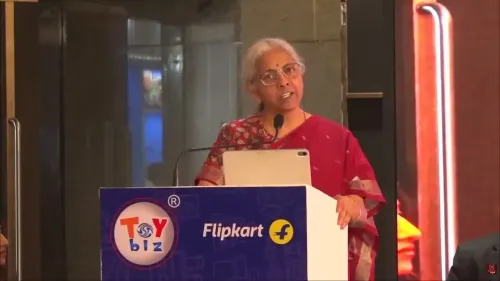
Union Finance Minister Nirmala Sitharaman addressed the Rajya Sabha on August 10, 2026 on India's IT hardware manufacturing push.
Items targeted include laptops, all-in-one PCs, tablets, servers, ultra-small form factor (USFF) devices , and sub-assemblies .
The stated goal is to move beyond finished-goods assembly and bring the full electronics supply chain into India.
The push builds on the PLI Scheme for IT Hardware notified in 2021 , which covered laptops, tablets and servers.
The policy lineage traces back to the Make in India initiative launched in 2014 , with electronics as a core pillar.
India is no longer content just assembling laptops and servers — it wants to build the entire supply chain at home. Union Finance Minister Nirmala Sitharaman told the Rajya Sabha on Monday, August 10, 2026 that a fresh push is underway to draw the full electronics manufacturing ecosystem into the country, covering everything from finished devices to the sub-assemblies that go inside them.
Speaking in the upper house, Sitharaman listed the items targeted under the initiative: laptops, all-in-one personal computers, tablets, servers, ultra-small form factor (USFF) devices, and critically, sub-assemblies — the components that sit a step before the finished product. 'This is aimed at getting a larger ecosystem into the country, so that specific manufacturing which is now giving good results for India can bring the entire ecosystem to India,' she said.
From assembly floors to upstream suppliers
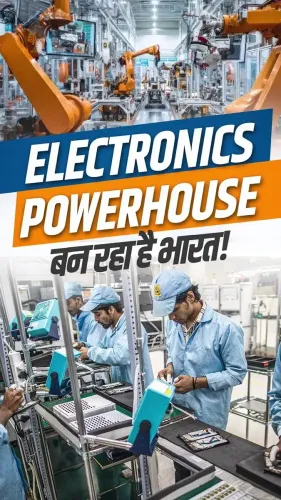
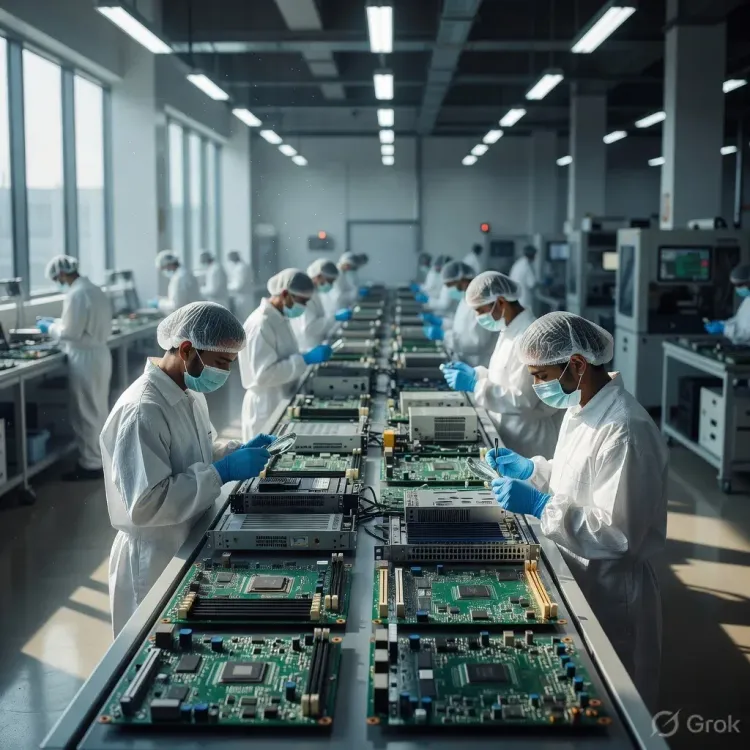
The distinction between 'finished goods' and 'sub-assemblies' is where the real ambition lives. India's electronics sector has, for years, been criticised for being a screwdriver economy — importing components and merely bolting them together domestically. The inclusion of USFF devices and sub-assemblies in the current push signals a deliberate attempt to move up the value chain, not just count boxes shipped out of Indian factories. This builds directly on the Production Linked Incentive (PLI) Scheme for IT Hardware, notified in 2021, which tied financial incentives to incremental domestic production of laptops, tablets and servers. That scheme attracted assembly-level investments; the government now appears to be using its early results as a springboard to pull in upstream component and sub-assembly suppliers.Make in India's electronics chapter deepens
The broader policy lineage stretches back to the Make in India initiative of 2014, which set the ambition of turning India into a global manufacturing hub. Electronics were always central to that vision, but progress was uneven — mobile phones saw a genuine manufacturing surge, while laptops and servers lagged. Sitharaman's remarks suggest the government believes conditions are now ripe to replicate that mobile-sector success in IT hardware. The strategy — combining incentives for domestic production with pressure on imports — is designed to make it economically rational for global original equipment manufacturers and their supplier networks to set up in India rather than simply ship finished goods in. Servers and USFF devices, increasingly critical to data centres and enterprise IT, add a strategic dimension beyond consumer electronics. If global component makers follow the finished-goods assemblers into India, the country's electronics sector could finally close the gap between 'assembled here' and 'made here' — and that is a very different kind of industrial story.Point of View
The government is signalling that the PLI scheme's first chapter (attracting assemblers) is now being used as leverage for a harder second chapter (anchoring component makers). This mirrors the playbook used in mobile manufacturing, where assembly investments by global brands eventually pulled in accessory and component suppliers. The key test will be whether customs and PLI policy changes follow the rhetoric — and whether global OEMs respond with genuine supply-chain relocation rather than incremental tweaks.
NationPress
10 Aug 2026
Frequently Asked Questions
What items did Nirmala Sitharaman mention for India's manufacturing push in Rajya Sabha?
She listed laptops, all-in-one personal computers, tablets, servers, ultra-small form factor (USFF) devices, and sub-assemblies as items targeted to build a domestic IT hardware ecosystem.
What is the PLI Scheme for IT Hardware?
The Production Linked Incentive Scheme for IT Hardware was notified in 2021 to promote domestic manufacturing of laptops, tablets and servers by offering financial incentives tied to incremental production by eligible companies.
Why are sub-assemblies important in India's electronics manufacturing strategy?
Sub-assemblies are components made before the finished product stage. Including them signals India wants to move beyond screwdriver-economy assembly and build deeper, upstream manufacturing capability within the country.
What is ultra-small form factor (USFF) and why does it matter?
USFF refers to compact computing devices used in enterprise and data-centre settings. Their inclusion in the push adds a strategic dimension, as demand for such hardware is growing rapidly with India's expanding digital infrastructure.
How does this relate to Make in India?
Make in India, launched in 2014 , set the broad ambition of domestic manufacturing across sectors. The current IT hardware push is a deepening of that agenda, using PLI incentives to move electronics from import-dependent assembly toward genuine local value addition.