Nirmala Sitharaman to Introduce Finance and Corporate Law Bills in Parliament
Synopsis
On March 23, Finance Minister Nirmala Sitharaman will present critical legislation, including the Finance Bill 2026 and the Corporate Laws Amendment Bill 2026, aimed at reshaping India's financial landscape and corporate governance framework.
Key Takeaways
Finance Bill 2026 will implement financial proposals for 2026-2027.
Corporate Laws Amendment Bill targets key corporate law reforms.
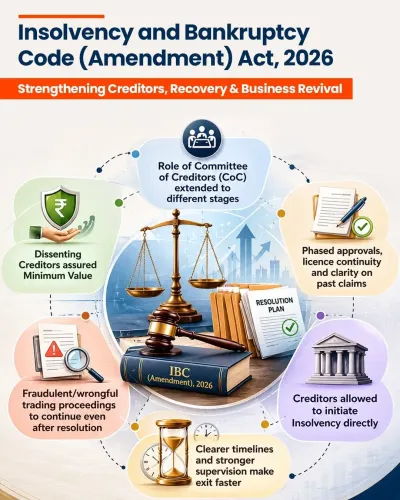
Amendments to the Insolvency and Bankruptcy Code aim to expedite resolution processes.
Focus on stricter timelines and enhanced powers for the Committee of Creditors .
Introduction of a framework for cross-border insolvency .
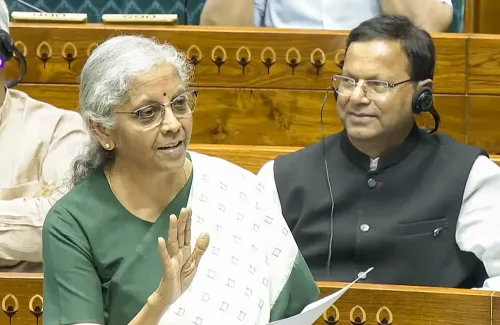
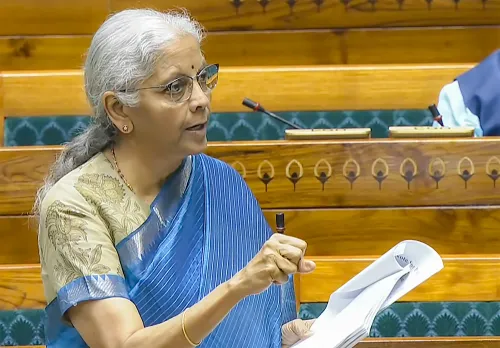
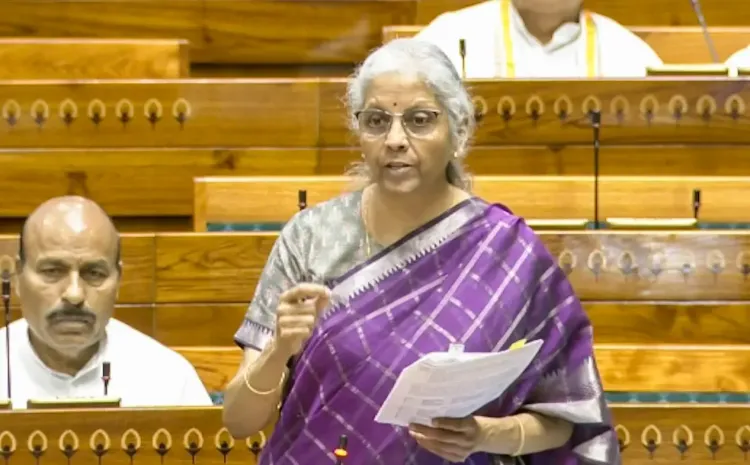
New Delhi, March 23 (NationPress) Finance Minister Nirmala Sitharaman is poised to introduce two significant legislative measures — the Finance Bill 2026 and the Corporate Laws (Amendment) Bill 2026 — in Parliament on Monday.
The Finance Bill 2026 is designed to implement the financial proposals of the Central Government for the fiscal year 2026–2027. The Finance Minister will request that the bill be considered and subsequently passed.
This initiative represents a crucial advancement in executing the government's budgetary strategies and economic policies for the forthcoming year.
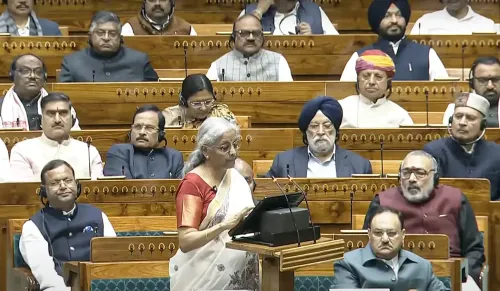
Additionally, the Finance Minister is scheduled to present a bill in the Lok Sabha aimed at amending essential corporate laws, as outlined in the House agenda.
The proposed Corporate Laws (Amendment) Bill 2026 seeks to make adjustments to the Limited Liability Partnership Act 2008 and the Companies Act 2013.
The Companies Act regulates company incorporation, governance, disclosures, and dissolution, while the LLP Act provides a more adaptable framework with limited liability for its partners.
Recently, on March 10, the Union Cabinet approved amendments to the Insolvency and Bankruptcy Code, setting the stage for the introduction of the IBC Amendment Bill during the current parliamentary session.
The proposed legislative changes stem from recommendations made by a Select Parliamentary Committee led by BJP MP Baijayant Panda. The committee was appointed to review the existing bankruptcy framework and submitted its detailed report in December 2025, emphasizing the need for expediting the corporate resolution process.
To address the delays currently affecting the system, the parliamentary committee has advocated for stricter timelines regarding the resolution of bankruptcy cases. Alongside these tighter deadlines, enhanced powers are proposed for the Committee of Creditors (CoC), enabling lenders to facilitate quicker and more decisive outcomes.
Furthermore, the intended amendments tackle existing gaps in the code by introducing two major structural frameworks. The select committee has suggested establishing a dedicated mechanism for cross-border insolvency to better manage companies in distress that possess international assets and foreign creditors.
Point of View
The introduction of these bills signifies a strategic push towards enhancing India's financial governance and corporate law framework. The government's commitment to reform is evident, reflecting a nation-first approach that prioritizes economic growth and stability.
NationPress
23 Sept 2026
Frequently Asked Questions
What is the purpose of the Finance Bill 2026?
The Finance Bill 2026 aims to implement the Central Government's financial proposals for the fiscal year 2026-2027.
What changes does the Corporate Laws Amendment Bill propose?
The Corporate Laws Amendment Bill seeks to amend the Limited Liability Partnership Act 2008 and the Companies Act 2013.
Why are amendments to the Insolvency and Bankruptcy Code necessary?
Amendments to the Insolvency and Bankruptcy Code are necessary to expedite the corporate resolution process and address delays in bankruptcy case handling.
What is cross-border insolvency?
Cross-border insolvency refers to the mechanisms in place to manage the insolvency of companies that have assets and creditors in multiple countries.
Who led the Select Parliamentary Committee reviewing the bankruptcy framework?
The committee was led by BJP MP Baijayant Panda.