Skyroot Aerospace meets PM Modi after Vikram-1 orbital success
Synopsis
PM Modi's meeting with Skyroot's founders was more than a photo op — it was a signal. With Vikram-1 placing India among just three nations with private orbital-launch capability, the conversation about technology roadmaps and long-term vision suggests the Centre is treating Skyroot as a template for what India's liberalised space sector can produce.
Key Takeaways
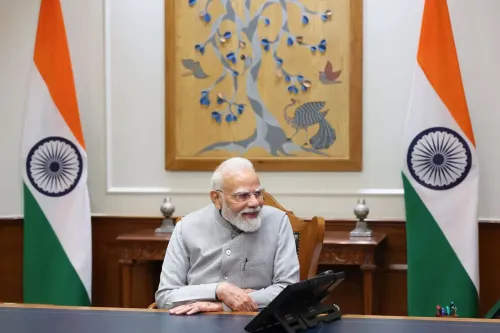
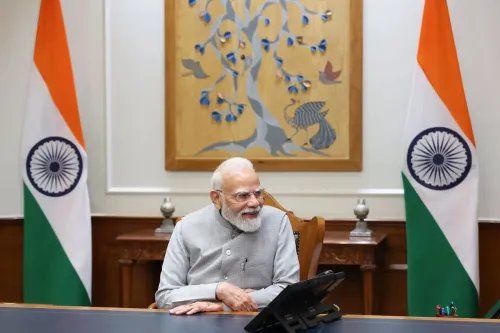
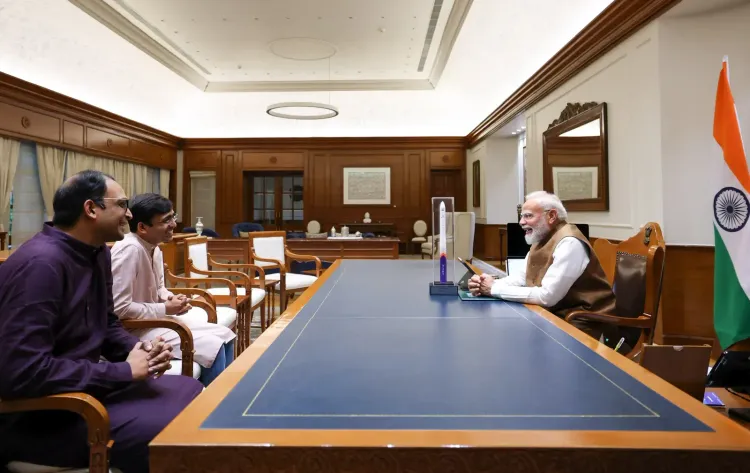
PM Modi met Skyroot Aerospace co-founders Pawan Chandana and Naga Bharath Daka in New Delhi on 28 July .
Discussions covered technology roadmaps and long-term vision beyond the success of Vikram-1 .
Modi praised the founders' 'energy, ambition and positivity' in a post on X , calling the interaction 'great'.
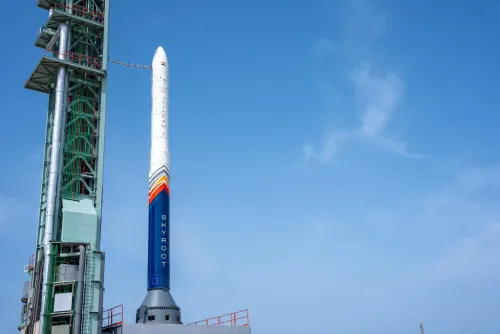
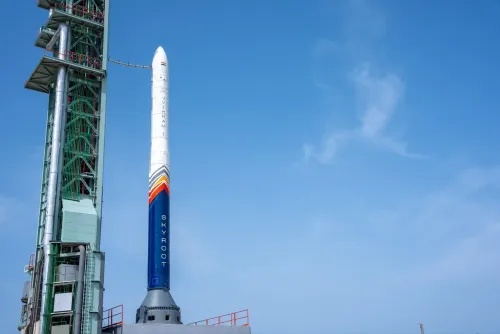
Vikram-1 (Mission Aagaman) successfully inserted multiple payloads into Low Earth Orbit , making India one of only three nations with private orbital-launch capability.
Skyroot credited IN-SPACe and ISRO for enabling its milestones, and thanked the government for space-sector policy reforms.
The company was founded in 2018 in Hyderabad by ex-ISRO scientists.
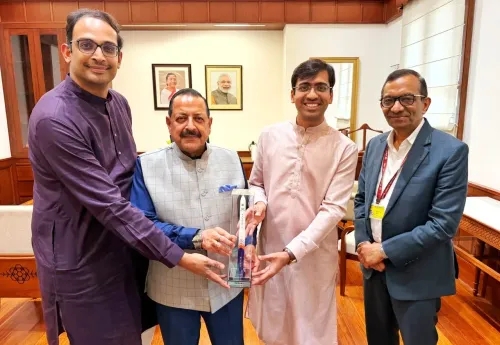
Prime Minister Narendra Modi on Monday, 28 July met Pawan Chandana and Naga Bharath Daka, the co-founders of Skyroot Aerospace, in New Delhi, in a wide-ranging discussion that went well beyond congratulations for the successful orbital flight of their Vikram-1 launch vehicle. The meeting underscored the Centre's deepening engagement with India's emerging private space sector.
What Was Discussed
What began as a congratulatory exchange quickly expanded into a substantive conversation covering technology roadmaps, long-term vision, and the growing landscape of opportunity for private players in India's space industry. According to Skyroot, the Prime Minister took a keen interest in the technology the company has developed, its forward plans, and the broadening window for private enterprise in space.
Modi later shared his impressions on X, calling it 'a great interaction' and noting that 'the success of Vikram-1 naturally featured prominently in our discussion, in addition to many other interesting subjects.' He praised the founders' 'energy, ambition and positivity,' saying they 'reflect the vibrant spirit of our private space ecosystem,' and signed off with encouragement for the entire Skyroot team.
Founders' Perspective
For Chandana and Daka, the meeting carried weight beyond symbolism. In a statement, the founders said they felt honoured to share the company's journey, the hard-won success of Vikram-1, and their longer-term vision for India's role in the global space industry. Skyroot added that Modi's confidence in young entrepreneurs continues to serve as a powerful source of inspiration for the team.
Acknowledgements and Policy Context
The company used the occasion to formally thank the government for policy reforms that opened the space sector to private participation, credited IN-SPACe (Indian National Space Promotion and Authorisation Centre) for enabling private spaceflight, and acknowledged ISRO's role in providing facilities, technical expertise, and collaborative support.
This recognition is notable: the liberalisation of India's space sector — including the creation of IN-SPACe in 2020 — was a deliberate policy shift that Skyroot has directly benefited from, making it one of the clearest early validators of that reform.
Skyroot's Journey So Far
Founded in 2018 by ex-ISRO scientists Pawan Chandana and Naga Bharath Daka and headquartered in Hyderabad, Skyroot Aerospace designs on-demand rockets for small-satellite launches into Earth orbit. The company first made history with the Vikram-S suborbital flight — Mission Prarambh — launched from Sriharikota, making it India's first private firm to fire a rocket from Indian soil.
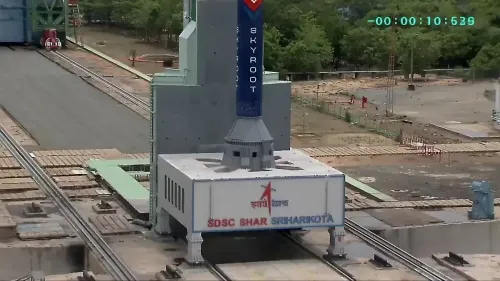
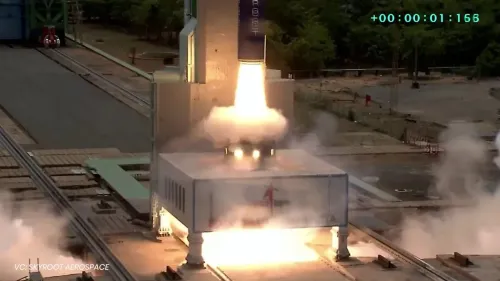
Its subsequent Vikram-1 rocket, under Mission Aagaman, lifted off from the Satish Dhawan Space Centre and successfully inserted multiple payloads into Low Earth Orbit — placing India among only three nations globally with demonstrated private orbital-launch capability. The achievement positions India alongside the United States and New Zealand in that exclusive bracket.
What Comes Next
With Vikram-1 now a proven platform, Skyroot's roadmap — as discussed with the Prime Minister — points toward scaling launch cadence and expanding payload capacity. The broader Indian private space sector, energised by IN-SPACe's regulatory framework, is expected to see more commercial launches in the coming years, with Skyroot among the frontrunners.
Point of View
Anchored by the creation of IN-SPACe in 2020, has produced a tangible result in Skyroot — but one success does not validate a sector. The real measure will be launch cadence, commercial contracts, and whether India's private space players can compete on price and reliability against SpaceX's Falcon 9 and Rocket Lab. Modi's public praise is valuable branding for Skyroot's fundraising, but the harder work — scaling manufacturing, reducing per-launch costs, and winning international payloads — lies ahead and will be decided in the market, not in a ministerial meeting room.
NationPress
28 Jul 2026
Frequently Asked Questions
Why did PM Modi meet Skyroot Aerospace founders?
PM Modi met Skyroot co-founders Pawan Chandana and Naga Bharath Daka on 28 July to congratulate them on the successful orbital flight of their Vikram-1 rocket. The meeting expanded into a broader discussion on technology roadmaps and India's private space sector opportunities.
What is Vikram-1 and why is it significant?
Vikram-1 is Skyroot Aerospace's orbital launch vehicle that successfully carried multiple payloads into Low Earth Orbit under Mission Aagaman, launched from the Satish Dhawan Space Centre in Sriharikota. The achievement made India one of only three nations globally with demonstrated private orbital-launch capability.
Who are the co-founders of Skyroot Aerospace?
Skyroot Aerospace was co-founded by Pawan Chandana and Naga Bharath Daka, both former ISRO scientists. They established the Hyderabad-based company in 2018 to build on-demand rockets for small-satellite launches into Earth orbit.
What role did IN-SPACe and ISRO play in Skyroot's success?
IN-SPACe (Indian National Space Promotion and Authorisation Centre) provided the regulatory framework that enabled private spaceflight in India, while ISRO offered facilities, technical expertise, and collaborative support. Skyroot formally acknowledged both organisations alongside the government's policy reforms that opened the sector to private players.
What did PM Modi say about Skyroot on X?
Modi described his meeting with the founders as 'a great interaction' and said the success of Vikram-1 featured prominently in the discussion. He praised the founders' 'energy, ambition and positivity,' calling them a reflection of the 'vibrant spirit of our private space ecosystem,' and extended best wishes to the entire Skyroot team.