Smriti Irani Extends Shubho Bijoya Wishes to Nation
Synopsis
BJP leader Smriti Irani marked Bijoya Dashami 2026 with a bilingual English-Bengali post bidding farewell to Maa Durga, extending Shubho Bijoya greetings and a prayer for peace and strength to all.
Key Takeaways
BJP leader Smriti Irani posted Bijoya Dashami greetings on October 21, 2026 .
The post was written in both English and Bengali , the traditional phrase asche bochor abar esho meaning 'come again next year, Mother.' She prayed for peace, safety, and strength for all homes during the farewell to Maa Durga .
Bijoya Dashami is the tenth and final day of Durga Puja, marked by idol immersion and exchange of 'Shubho Bijoya' greetings.
No policy announcement or political content was included in the post.
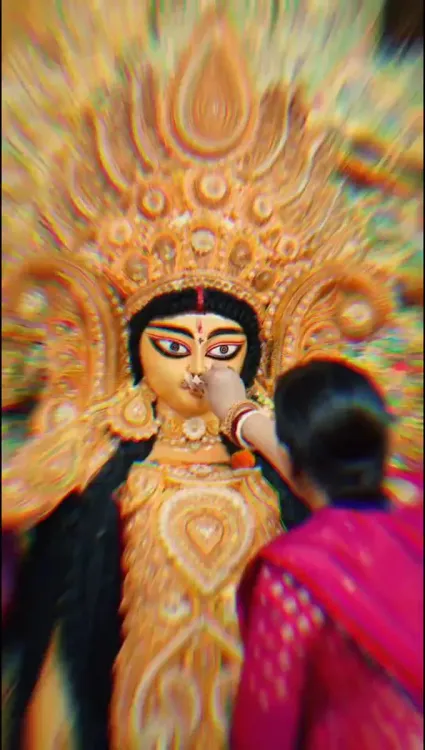
As the ten-day celebration of Durga Puja draws to a close and the Goddess prepares her symbolic return to Kailash, BJP leader Smriti Irani joined millions of Bengalis on Wednesday, October 21, 2026, in bidding a heartfelt farewell — and a prayer for her return.
Posting in a blend of English and Bengali, Irani wrote: 'Asche bochor abar esho, Maa' — 'Come again next year, Mother' — the phrase that echoes across every household and pandal as the immersion processions wind through streets. She followed it with a prayer: 'keep us safe, bless every home with peace, protect our loved ones, and give us the strength to weather every storm.' In Bengali, she added: 'মা দুর্গা, তোমার মমতা আর শক্তি থাকুক আমাদের সবার সঙ্গে' — 'Mother Durga, may your compassion and strength remain with all of us.'
Bijoya Dashami and the tradition of farewell
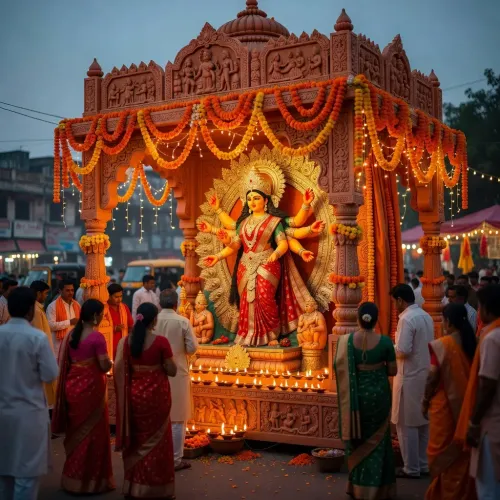
Bijoya Dashami, falling on the tenth day of the bright fortnight of Ashwin, marks the culmination of Durga Puja — the most widely celebrated festival in West Bengal and across the Bengali-speaking world. The day is defined by the ritual immersion of the Goddess's idol in rivers and water bodies, accompanied by the ululation of conch shells, red abir powder, and that single, aching phrase: asche bochor abar esho. The greeting 'Shubho Bijoya' — auspicious victory — is exchanged among family and friends in the weeks that follow, replacing a simple handshake with prostrations, sweets, and renewed bonds.
National leaders and the language of cultural reach
Indian political figures across the spectrum mark Durga Puja and Bijoya Dashami each year, recognising the festival's deep resonance not only in West Bengal but in diaspora communities from Delhi to Mumbai to cities abroad. Irani's choice to write in both English and Bengali — rather than only Hindi — signals a deliberate cultural fluency, the kind that turns a routine seasonal greeting into something that actually lands within the community it addresses. The post carries no policy announcement and makes no political claim; it is, in the truest sense, a shared human moment.
For the millions who spent ten days in the glow of pandal lights, the beat of dhak drums, and the fragrance of shiuli flowers, the farewell is never easy. Irani's words — 'give us the strength to weather every storm' — carry the quiet weight of everything Durga Puja is ultimately about: not just celebration, but courage.
Point of View
Where cultural fluency increasingly accompanies electoral strategy. The post carries no overt political charge, but its very warmth and linguistic precision are part of the larger story of how the BJP has sought to deepen its presence in West Bengal over the past decade. At its core, though, it is simply a moment of shared faith — and sometimes that is enough.
NationPress
21 Oct 2026
Frequently Asked Questions
What is Shubho Bijoya?
'Shubho Bijoya' means 'auspicious victory' in Bengali and is the greeting exchanged during and after Bijoya Dashami, the final day of Durga Puja, when the Goddess's idol is immersed in water.
What does 'Asche bochor abar esho' mean?
It is a Bengali phrase meaning 'come again next year,' traditionally said while bidding farewell to Goddess Durga during Bijoya Dashami immersion rituals.
Why did Smriti Irani post in Bengali?
Irani posted in both English and Bengali to connect directly with the Bengali-speaking community during the important cultural occasion of Bijoya Dashami 2026.
When is Bijoya Dashami 2026?
Bijoya Dashami in 2026 falls on Wednesday, October 21 , the tenth day of the Durga Puja festival.
Who is Smriti Irani?
Smriti Irani is a senior BJP leader and former Union Minister who held the portfolios of Women and Child Development and Minority Affairs, and is known as a prominent national political figure.