Amit Shah Vows to Eradicate Punjab Drug Trade by 2029
Synopsis
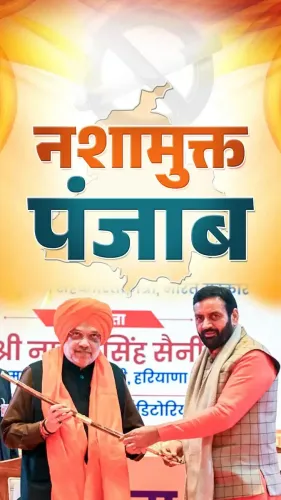
Union Home Minister Amit Shah met families of anti-drug activists killed in Punjab's Gurdaspur, Sangrur and Mansa, and publicly pledged to eliminate the drug trade across Punjab and India before December 31, 2029, reinforcing the Centre's zero-tolerance enforcement posture.
Key Takeaways
Amit Shah personally met bereaved families of anti-drug activists in Gurdaspur, Sangrur, and Mansa on October 21, 2026.
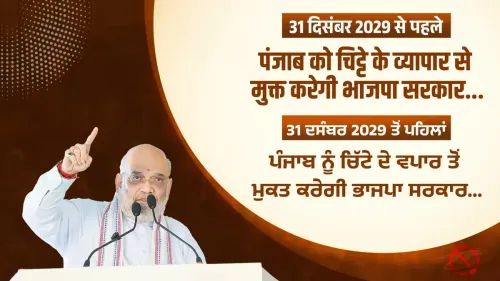
Shah issued a public, time-bound commitment to eradicate the drug trade across Punjab and all of India before December 31, 2029 .
Gurdaspur is a key border-corridor entry point for narcotics from the Golden Crescent region.
The Nasha Mukt Bharat Abhiyan , launched in August 2020 , provides the national policy framework for demand-reduction and rehabilitation.
Central enforcement under the NDPS Act has run in coordination with Punjab Police, but the cross-border supply chain remains the core challenge.
The 2029 deadline will be scrutinised against drug-seizure data, conviction rates, and de-addiction funding in forthcoming budgets and parliamentary sessions.
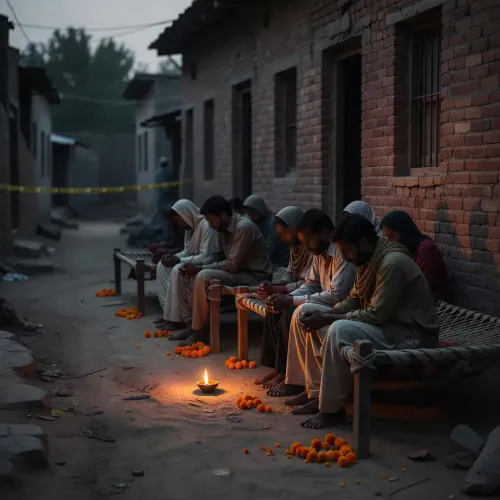
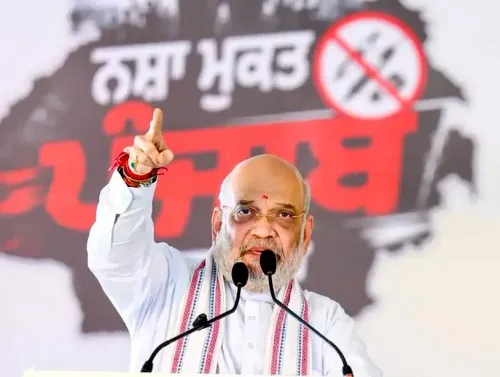
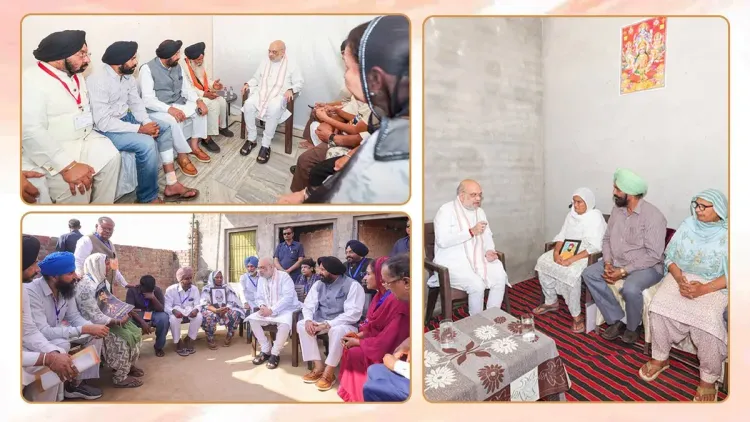
The grief of families who lost children, siblings, and spouses fighting drug networks in Punjab's Gurdaspur, Sangrur, and Mansa districts — it is beyond words. Union Home Minister Amit Shah met those families on Wednesday, October 21, 2026, and returned with a public pledge that now has a hard deadline attached to it.
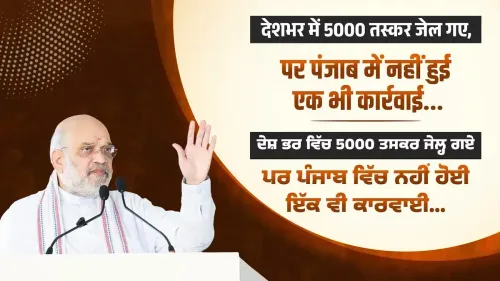
Posting in both Hindi and Punjabi, Shah wrote: 'Inhen parivaron par jo beet rahi hai, use shabdon mein nahin kaha ja sakta' ('What these families are going through cannot be expressed in words'). Then came the commitment — blunt, time-bound, and aimed at a national scale: the drug trade will be dismantled across Punjab and the entire country before December 31, 2029.
Three districts, three epicentres of Punjab's drug crisis
Gurdaspur sits along the international border with Pakistan, and enforcement agencies have long flagged it as a primary entry corridor for heroin moving out of the Golden Crescent — the Afghanistan-Iran-Pakistan production belt. Sangrur and Mansa, deeper in the state's heartland, represent the trade's downstream damage: communities where local addiction rates have translated into vigilante counter-movements, and where some of those activists paid with their lives.
Shah's decision to meet bereaved families in these specific districts — rather than address officials in a conference hall — signals an intent to frame the anti-drug campaign as a matter of human dignity, not merely law enforcement metrics.
The policy architecture behind the pledge
The Nasha Mukt Bharat Abhiyan, launched in August 2020 by the Ministry of Social Justice and Empowerment, established the national framework for demand-reduction and rehabilitation. The Home Ministry has simultaneously coordinated interdiction operations with state police under the Narcotic Drugs and Psychotropic Substances (NDPS) Act — seizures, arrests, and controlled delivery operations targeting smuggling networks.
Punjab has been a pressure point in every iteration of this strategy, partly because of its geography — nearly 550 kilometres of international border — and partly because the state's drug crisis has been documented extensively in public health data, court records, and successive state-government campaigns. The cross-border supply dynamic means that any credible elimination effort demands coordination beyond Punjab: central agencies, state police, border forces, and intelligence networks must operate as a single system.
A 2029 deadline and what it demands
The December 31, 2029 target is the most specific public commitment on this issue from a senior Union government figure in recent memory. Whether it anchors a formal operational roadmap or functions as a political statement of will, it now exists on the record — and will be measured against drug-seizure statistics, conviction rates, and de-addiction infrastructure in the coming parliamentary sessions and Union Budgets.
For the families in Gurdaspur, Sangrur, and Mansa who sat across from the Home Minister, the number that matters most is simpler: zero. Zero more deaths in a fight that should have been the state's to fight all along.
Point of View
Not just a law-enforcement exercise. The explicit 2029 deadline is a political gamble: specific enough to be accountable, distant enough to require sustained institutional effort through multiple election cycles. It also implicitly pressures the AAP-governed Punjab government, keeping the Centre's visibility high in a state where the drug crisis has long been a defining electoral flashpoint. Whether the pledge translates into measurable operational milestones — funding, personnel, cross-agency protocols — will determine its legacy.
NationPress
22 Oct 2026
Frequently Asked Questions
What did Amit Shah promise about Punjab's drug problem?
Amit Shah pledged to completely eliminate the drug trade from Punjab and the rest of India before December 31, 2029, after meeting families of anti-drug activists who lost their lives in Gurdaspur, Sangrur, and Mansa.
Which districts did Amit Shah visit for the anti-drug initiative?
Shah met families in Punjab's Gurdaspur, Sangrur, and Mansa districts — three areas severely affected by drug trafficking and related violence.
What is the Nasha Mukt Bharat Abhiyan?
The Nasha Mukt Bharat Abhiyan is a national anti-drug campaign launched in August 2020 by the Ministry of Social Justice and Empowerment to reduce drug demand and support rehabilitation across India.
Why is Gurdaspur so vulnerable to drug smuggling?
Gurdaspur borders Pakistan and lies along smuggling routes connected to the Golden Crescent — the Afghanistan-Iran-Pakistan narcotics production region — making it a major entry corridor for heroin into India.
What law governs drug enforcement in India?
The Narcotic Drugs and Psychotropic Substances (NDPS) Act is India's primary legal framework for drug interdiction, under which the Home Ministry coordinates seizures and arrests with state police forces including Punjab Police.