Smriti Irani Launches SPARK Bootcamp for Women Entrepreneurs in Delhi
Synopsis
BJP leader Smriti Irani attended the SPARK Bootcamp in New Delhi on June 26, 2026, championing a 300-city initiative designed to equip women entrepreneurs with digital tools, market linkages, and mentorship to scale their enterprises as part of the SPARK 100K Collective.
Key Takeaways
Smriti Irani attended the SPARK Bootcamp in New Delhi on June 26, 2026 , describing it as a 'vanguard of a nationwide movement.' The bootcamp is part of the SPARK 100K Collective , a programme co-designed with partners to remove structural barriers for women entrepreneurs.
The initiative targets a rollout across 300 cities in India, combining market linkages, digital tools, and strategic mentorship.
The programme aims to help women transition from micro-enterprises to growth-oriented, scalable businesses.
The initiative aligns with India's broader policy focus since 2014 on raising female labour force participation through capacity-building and digital access.
Key milestones to watch include the 300-city rollout pace and any formal linkages with existing MSME or government women-entrepreneurship schemes.
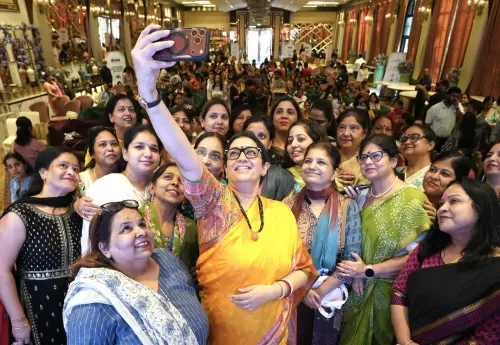
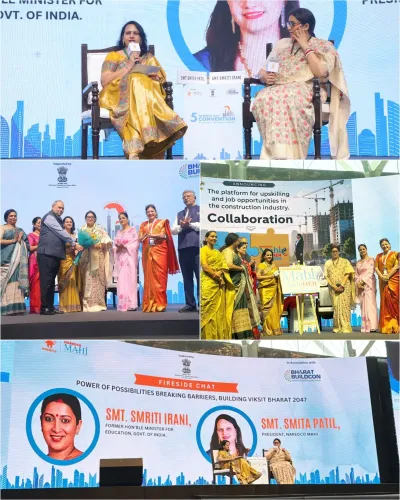
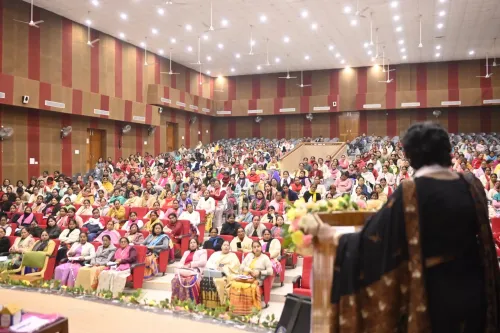
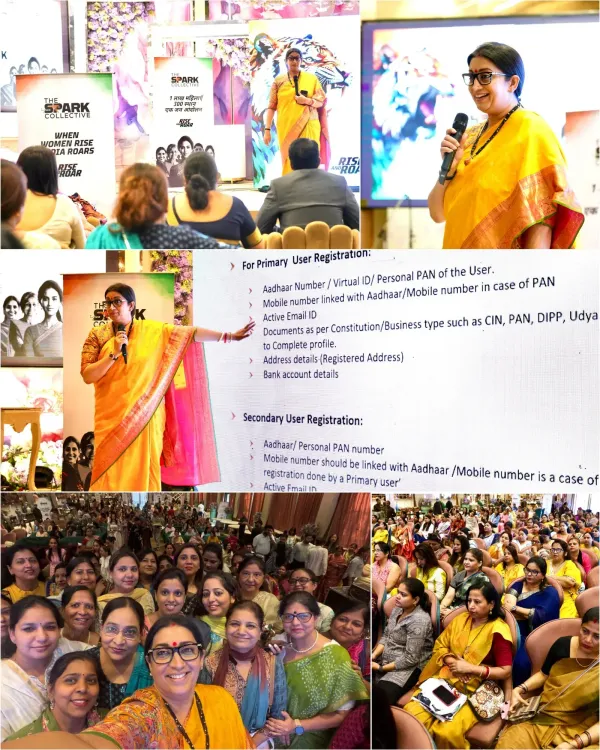
BJP leader Smriti Irani on Friday, June 26, 2026, attended the SPARK Bootcamp in New Delhi, hailing the gathering as the vanguard of a nationwide movement aimed at dismantling structural barriers that prevent women entrepreneurs from scaling their enterprises.
Context
Addressing the event, Irani described the bootcamp as a 'launchpad' designed to equip women leaders with market linkages, digital tools, and strategic mentorship to help them transition from micro-enterprises into growth-oriented businesses. She underscored that the initiative is part of the SPARK 100K Collective, conceived with committed partners to expand economic opportunity for women at scale across India.
The former Union Minister of Women and Child Development and Minority Affairs noted that 'women-led enterprises must have access to ecosystems that match their ambition,' framing inclusive economic participation as a central goal of the programme.
Policy Backdrop
The SPARK Bootcamp forms part of a broader push — spanning multiple ministries and policy bodies since 2014 — to raise female labour force participation through capacity-building, digital access, and mentorship. India's Stand-Up India scheme, launched in 2016, similarly aimed to facilitate credit and support for women and marginalised entrepreneurs seeking to start or expand enterprises.
NITI Aayog and several ministries have run complementary platforms to reduce barriers in finance, markets, and skills for micro-enterprises. The SPARK initiative, with its stated goal of reaching 300 cities across India through a rolling bootcamp network, fits squarely within this policy lineage of linking women's economic participation to national growth and inclusion targets.
Stakeholders and Impact
The primary beneficiaries are women entrepreneurs operating micro and small enterprises who seek structured support to scale. The bootcamp model — combining mentorship, digital tools, and market linkages in a single platform — is intended to address the multi-layered bottlenecks these entrepreneurs typically face, from limited networks to restricted access to capital and technology.
If the 300-city rollout proceeds as envisioned, the programme could reach a significant cross-section of women-led businesses in both metropolitan and smaller urban centres, potentially complementing existing government schemes for MSMEs and women's self-help groups.
What's Next
The immediate milestone to watch is the pace of the SPARK Bootcamp rollout across the 300-city network. Any formal linkages announced between the SPARK 100K Collective and existing MSME schemes or women-entrepreneurship budgetary provisions in future policy statements will be a key indicator of the programme's institutional depth.
Irani's continued personal association with the initiative signals that the SPARK platform is likely to remain a visible vehicle for the BJP's outreach on women's economic empowerment in the run-up to future electoral cycles.
Point of View
' the party signals that this is not a one-off event but a structured outreach with electoral resonance. The initiative also reflects a wider governmental pattern of routing women's empowerment through capacity-building platforms that complement — but operate alongside — formal budgetary schemes. Whether SPARK achieves institutional depth will depend on how tightly it integrates with existing MSME and self-help-group ecosystems rather than remaining a standalone bootcamp circuit.
NationPress
27 Jun 2026
Frequently Asked Questions
What is the SPARK Bootcamp launched by Smriti Irani?
The SPARK Bootcamp is an initiative under the SPARK 100K Collective, attended by BJP leader Smriti Irani in New Delhi on June 26, 2026, aimed at equipping women entrepreneurs with market linkages, digital tools, and mentorship to help them scale their enterprises.
How many cities will the SPARK Bootcamp cover in India?
The SPARK Bootcamp is planned to roll out across 300 cities in India, making it a nationwide programme targeting women-led micro and small enterprises.
What is the SPARK 100K Collective?
The SPARK 100K Collective is a programme co-designed by Smriti Irani and partners with the stated objective of dismantling structural bottlenecks that prevent ambitious women entrepreneurs from scaling their businesses.
How does the SPARK Bootcamp relate to existing government schemes for women entrepreneurs?
The SPARK Bootcamp aligns with India's broader policy focus since 2014 on women's economic participation, complementing schemes like Stand-Up India (2016) and NITI Aayog-backed platforms, though formal linkages with MSME schemes are yet to be announced.
Why is Smriti Irani involved in women entrepreneurship initiatives?
As a senior BJP leader and former Union Minister of Women and Child Development and Minority Affairs, Smriti Irani has a long record of involvement in women's empowerment policies, making her a prominent face for such initiatives.