Smriti Irani marks Independence Day with Sanskrit tribute
Synopsis
On India's 79th Independence Day, BJP leader Smriti Irani posted a Sanskrit salutation honouring the Red Fort — 'Glory to the patriotism of the Red Fort!' — marking 15 August 2026 with a classical-language tribute to the republic's most iconic ceremonial site.
Key Takeaways
Smriti Irani marked India's 79th Independence Day on 15 August 2026 with a Sanskrit post on X.
The phrase लालदुर्गे देशभक्तेः गौरवम्! translates as 'Glory to the patriotism of the Red Fort !' The Red Fort in Delhi has been the site of India's Independence Day flag-hoisting ceremony since 1947 .
The tradition was begun by Jawaharlal Nehru and has been continued by every Prime Minister since.
Irani's use of Sanskrit distinguishes her tribute from standard Hindi or English Independence Day greetings, reflecting a cultural-political register.
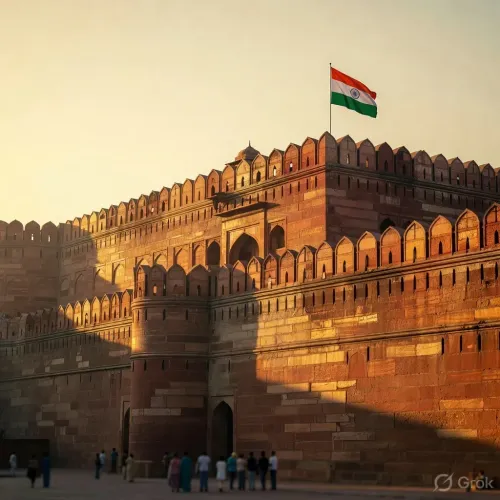
On the 79th Independence Day, 15 August 2026, BJP leader and former Union Minister Smriti Irani marked the occasion with a Sanskrit salutation — लालदुर्गे देशभक्तेः गौरवम्! — a phrase that translates as 'Glory to the patriotism of the Red Fort!' — honouring the historic site that has anchored India's Independence Day tradition since 1947.
The Red Fort and a tradition born in 1947
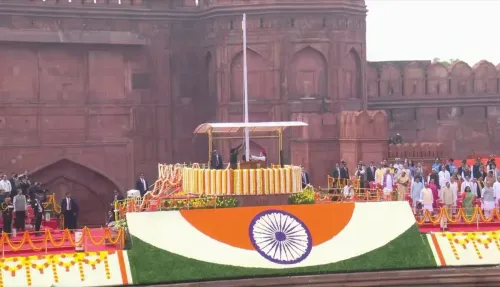
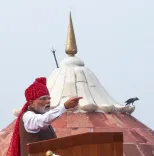
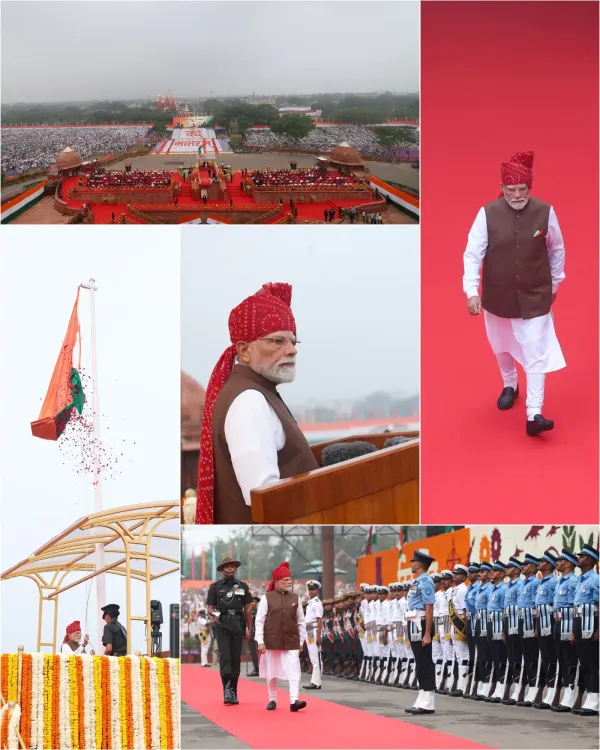
The Red Fort in Delhi is more than a monument — it is the constitutional stage of the republic. Since Jawaharlal Nehru first hoisted the tricolour from its ramparts on 15 August 1947, every Prime Minister has returned to that same parapet each year to address the nation. The ritual has become inseparable from what Independence Day means to ordinary Indians.
Irani's choice of Sanskrit — the classical language of India's ancient literary heritage — to frame her tribute adds a cultural register that goes beyond the routine patriotic post. The phrase fuses the Red Fort's identity directly with the idea of patriotism itself.
Leaders and the language of 15 August
Indian political figures across parties use Independence Day to post messages that speak to national pride and historical memory. What distinguishes Irani's post is its form: a Sanskrit invocation rather than a Hindi or English greeting, a deliberate stylistic choice that signals reverence for classical tradition alongside republican commemoration.
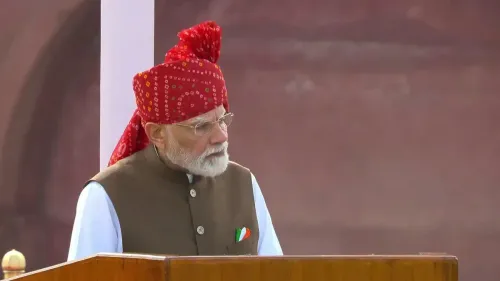
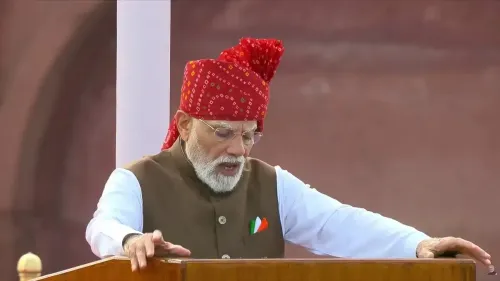
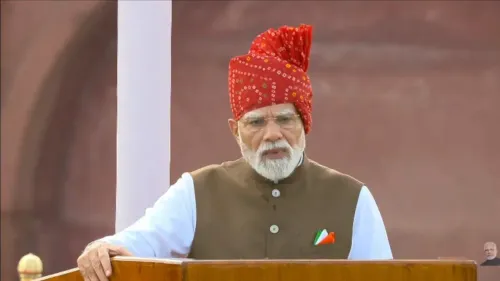
The post was accompanied by an image, reinforcing the visual and symbolic weight of the occasion.
As the tricolour rises once again over the Red Fort, the words of leaders — in every language India holds — remind citizens that Independence Day is as much a living conversation as it is a calendar fixture.
Point of View
Aligning national pride with classical heritage — a register that resonates with the BJP's broader civilisational messaging. It reflects a wider trend among ruling-party leaders to layer Independence Day communication with cultural symbolism beyond standard patriotic greetings. The Red Fort as a focal point also reinforces the government's emphasis on the monument as a living symbol of sovereign India, not merely a historical relic. The choice is low-risk but high-identity — designed to consolidate sentiment among a culturally attuned base.
NationPress
15 Aug 2026
Frequently Asked Questions
What did Smriti Irani post on Independence Day 2026?
Smriti Irani posted a Sanskrit phrase — लालदुर्गे देशभक्तेः गौरवम्! — meaning 'Glory to the patriotism of the Red Fort!' on 15 August 2026 to mark India's Independence Day.
What is the significance of the Red Fort on Independence Day?
The Red Fort in Delhi is the site of India's annual Independence Day flag-hoisting ceremony, a tradition begun by Prime Minister Jawaharlal Nehru on 15 August 1947 and continued by every Prime Minister since.
Why did Smriti Irani use Sanskrit in her Independence Day post?
Irani chose Sanskrit — India's classical literary language — to frame her tribute, a stylistic choice that signals cultural reverence alongside republican commemoration, consistent with the BJP's broader emphasis on classical Indian heritage.
When did India's Independence Day Red Fort tradition begin?
The tradition of the Prime Minister hoisting the national flag at the Red Fort began on 15 August 1947, when Jawaharlal Nehru addressed the nation from its ramparts for the first time.
What does 'लालदुर्गे देशभक्तेः गौरवम्' mean in English?
The Sanskrit phrase translates to 'Glory to the patriotism of the Red Fort!' — a salutation that links the historic monument directly to the idea of national devotion.