Sonowal Addresses Mumbai Port's 154th Foundation Day
Synopsis
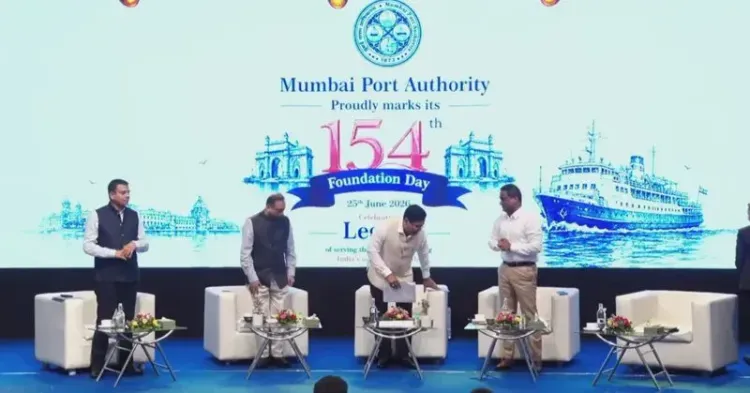
Union Minister Sarbananda Sonowal addressed the 154th foundation day of Mumbai Port Trust on 25 June 2026. The occasion spotlights the port's strategic role in India's maritime trade and the government's Sagarmala-driven modernisation agenda for its western-coast port cluster.
Key Takeaways
Sarbananda Sonowal , Union Minister of Ports, Shipping and Waterways, addressed Mumbai Port Trust's 154th foundation day on 25 June 2026 .
Mumbai Port Trust is one of India's 12 major ports and a critical western-coast trade gateway, administered by the central ministry.
The port's modernisation is a key component of the Sagarmala Project launched in 2015 to promote port-led development and cut logistics costs.
The National Infrastructure Pipeline (2020) earmarked funds for capacity expansion at Mumbai Port as part of a broader coastal infrastructure push.
Mumbai Port is part of a western-coast cluster also comprising Jawaharlal Nehru Port and the upcoming Vadhavan Port .
Budget and parliamentary discussions for 2026-27 are expected to reflect any new commitments or PPP announcements from the foundation-day address.
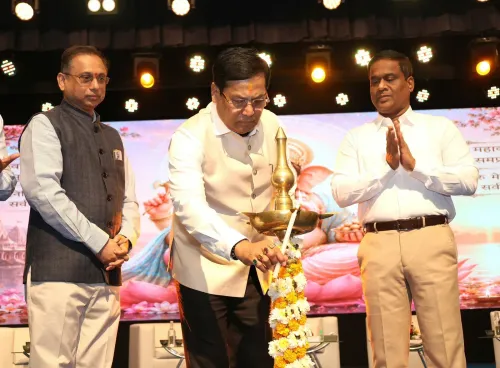
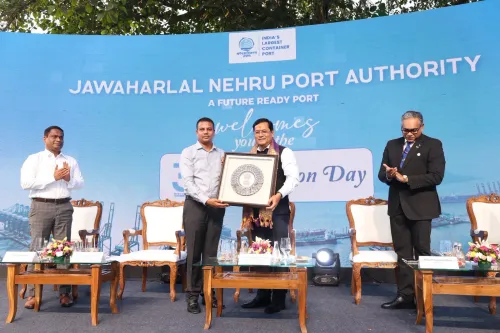
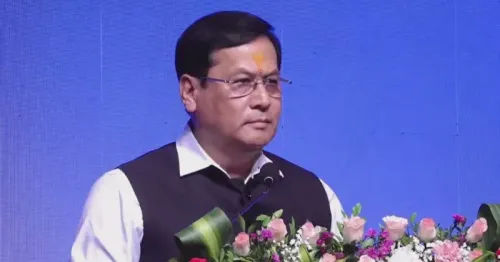
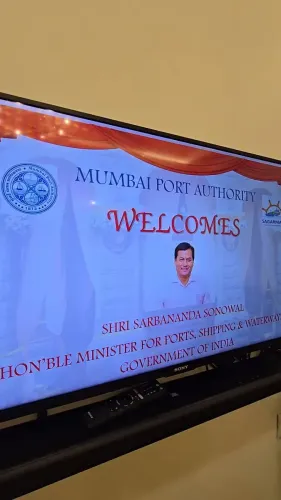
Union Minister of Ports, Shipping and Waterways Sarbananda Sonowal addressed the 154th foundation day celebrations of Mumbai Port Trust on Thursday, 25 June 2026, marking a significant milestone for one of India's oldest and most strategically vital major ports.
Context
The Mumbai Port Trust, historically known as Bombay Port Trust, stands as one of India's 12 major ports administered directly by the Ministry of Ports, Shipping and Waterways. Its foundation day serves as a ceremonial as well as policy occasion, with ministers and port officials using the platform to take stock of operational progress and signal the direction of future investments. The port remains a critical gateway for western India's trade flows, handling cargo ranging from bulk commodities to containers.
Minister Sonowal's live participation — streamed publicly — underscored the central government's intent to keep major port anniversaries visible as part of a broader communications strategy around maritime development.
Policy Backdrop
Mumbai Port's modernisation sits at the heart of the government's Sagarmala Project, launched in 2015, which aims to promote port-led development, improve hinterland connectivity and reduce logistics costs across India's coastline. The project encompasses mechanisation of berths, last-mile rail and road linkages, and coastal shipping promotion — all of which have been progressively implemented at Mumbai.
The National Infrastructure Pipeline, unveiled in 2020, further allocated funds for port capacity expansion, with Mumbai among the priority nodes. Mumbai Port also figures in the wider western-coast port cluster strategy that includes Jawaharlal Nehru Port and the upcoming Vadhavan Port, collectively designed to raise India's share of global maritime trade.
Stakeholders and Impact
The port's foundation-day platform directly concerns shipping lines, logistics operators and Mumbai port users who track policy signals for investment and operational planning. Announcements or statements made at such events often shape expectations around public-private partnership bids, berth mechanisation timelines and land-use rationalisation — each of which affects cargo handling costs and turnaround times.
Broader stakeholders include exporters and importers routed through the western coast, for whom Mumbai Port's efficiency is a direct input into supply-chain competitiveness. The Ministry's continued ministerial-level attention to the port signals that it remains a priority despite the rapid rise of newer container terminals elsewhere on the coast.
What's Next
Parliamentary questions and budget discussions for 2026-27 are expected to reflect any commitments made during the foundation-day address, particularly around further corporatisation of Mumbai Port or new PPP bids for berths. The Ministry is also being watched for follow-up project announcements tied to Sagarmala's next phase. As India pushes to lower its logistics cost-to-GDP ratio, foundation-day occasions at legacy ports like Mumbai are increasingly being used to set measurable targets and publicly account for progress against them.
Point of View
Particularly for infrastructure ministries under public scrutiny for delivery timelines. Mumbai Port, though overshadowed in cargo volumes by newer terminals, retains outsized symbolic weight given its colonial-era legacy and its centrality to western India's trade identity. The ministerial presence also fits a pattern of keeping legacy major ports visible within the Sagarmala narrative, even as greenfield projects like Vadhavan attract larger investment headlines. Watching for concrete project announcements or PPP disclosures in the days following the address will reveal whether this was ceremonial optics or a substantive policy moment.
NationPress
25 Jun 2026
Frequently Asked Questions
When is Mumbai Port Trust's 154th foundation day?
Mumbai Port Trust's 154th foundation day was celebrated on 25 June 2026 , with Union Minister Sarbananda Sonowal addressing the event live.
Who is the minister of ports and shipping in India in 2026?
Sarbananda Sonowal is India's Union Minister of Ports, Shipping and Waterways. He has held the portfolio since July 2021 and is a senior BJP leader and former Chief Minister of Assam.
What is the Sagarmala Project and how does it relate to Mumbai Port?
The Sagarmala Project , launched in 2015 , is the central government's flagship programme for port-led development, hinterland connectivity and coastal shipping. Mumbai Port is among its key modernisation nodes, with investments in berth mechanisation and last-mile connectivity.
What is Mumbai Port Trust known for?
Mumbai Port Trust , historically called Bombay Port Trust, is one of India's 12 major ports and a principal gateway for western India's trade. It is administered by the Ministry of Ports, Shipping and Waterways and forms part of a strategic western-coast port cluster.
What is the Vadhavan Port project?
Vadhavan Port is a greenfield deep-water port being developed on India's western coast as part of the government's strategy to expand port capacity and raise India's share of global maritime trade, complementing existing facilities at Mumbai and Jawaharlal Nehru Port.