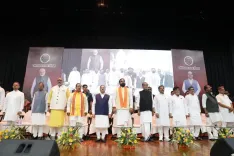
CM Dhami Honours Emergency-Era Democracy Fighters in Dehradun
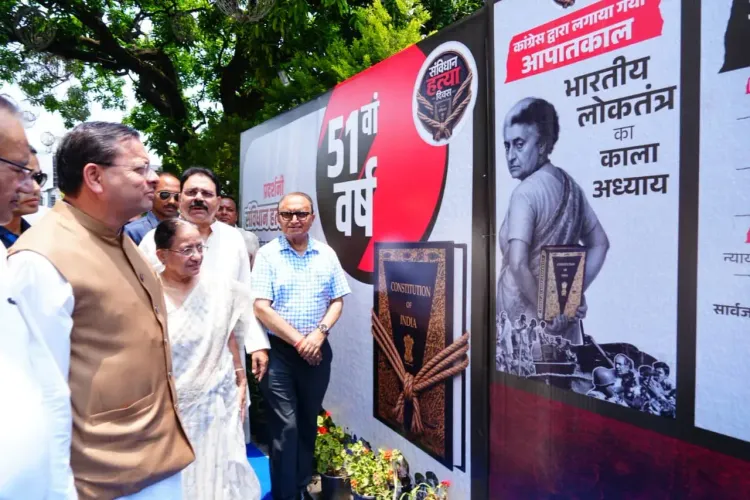
Synopsis
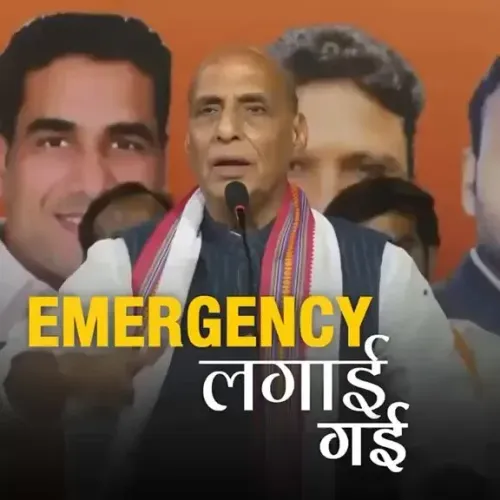
On the 51st anniversary of India's 1975 Emergency, Uttarakhand Chief Minister Pushkar Singh Dhami held a felicitation ceremony in Dehradun for democracy fighters who resisted the suspension of fundamental rights, calling the period a 'dark chapter' in Indian democratic history.
Key Takeaways
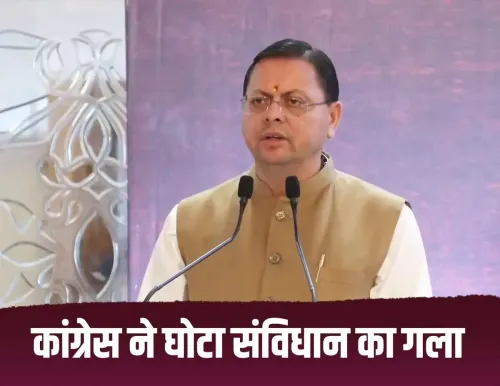
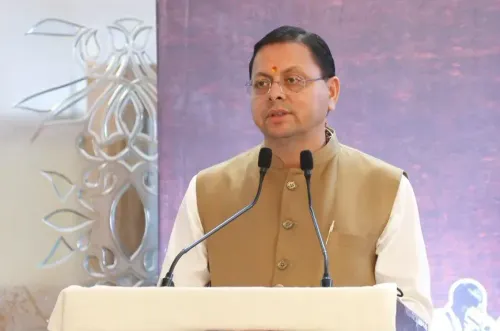
CM Pushkar Singh Dhami honoured loktantra senani in Dehradun on 25 June 2026 , the 51st anniversary of the Emergency.
The 1975 Emergency was declared by Prime Minister Indira Gandhi and lasted from 25 June 1975 to 21 March 1977 .
Dhami described the Emergency as a period when fundamental rights were curtailed and freedom of expression was suppressed.
BJP -governed states have made annual June 25 commemorations a consistent feature, framing the Emergency as a Congress-era democratic failure.
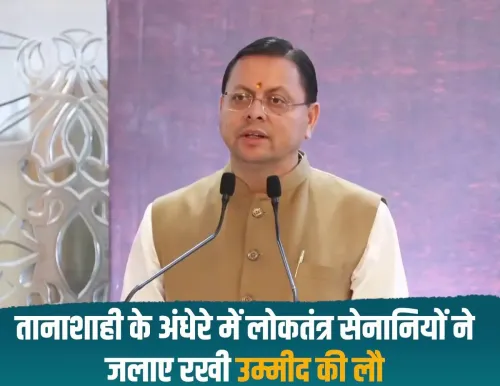
Democracy fighters' 'struggle, courage and sacrifice' kept the flame of democracy alive, according to CM Dhami's post.
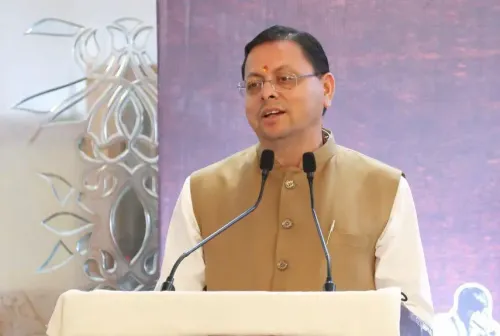
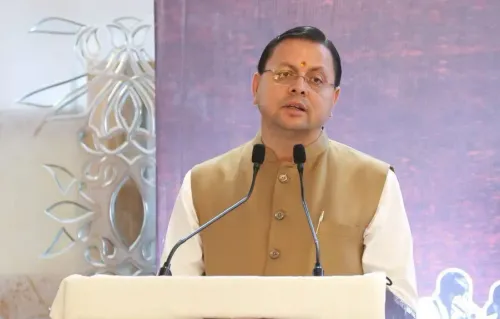
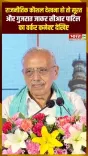
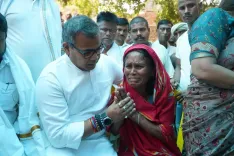
Uttarakhand Chief Minister Pushkar Singh Dhami on Thursday, 25 June 2026, honoured democracy fighters (loktantra senani) who resisted the 1975 Emergency at a state-level commemoration event held in Dehradun, marking 51 years since the imposition of one of independent India's most contested constitutional episodes.
Context
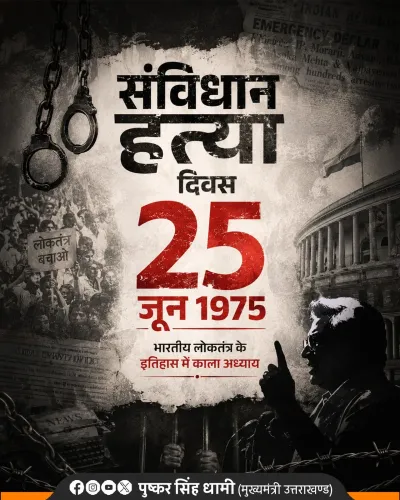
Posting on X, CM Dhami described the Emergency as a 'dark chapter' (kala adhyay) in Indian democratic history. He wrote that on 25 June 1975, citizens' fundamental rights were curtailed, freedom of expression was suppressed, and democratic institutions were placed under unprecedented pressure. 'The struggle, courage and sacrifice of the democracy fighters kept the flame of democracy burning even in that dark period,' he stated.
The national emergency declared by then Prime Minister Indira Gandhi on 25 June 1975 remained in force until 21 March 1977, when it was withdrawn ahead of general elections that swept the Janata Party to power. The period saw the suspension of fundamental rights, press censorship, and the detention of political opponents across the country.
Policy Backdrop
BJP-governed states have made annual 25 June commemorations a recurring feature of their political calendar, framing the Emergency as a cautionary example of authoritarian excess by the Congress party. These events are typically accompanied by felicitation ceremonies for individuals who were jailed or persecuted during the 1975–1977 period.
The Uttarakhand government's programme fits within a broader pattern of state-sponsored historical memory exercises that the party uses to draw a contrast between its own governance record and what it characterises as the Congress's democratic failures. Such observances have grown in scale since the BJP came to power at the Centre in 2014.
Stakeholders and Impact
The primary beneficiaries of Wednesday's event are the loktantra senani — democracy activists, journalists, lawyers, and political workers who faced imprisonment or harassment during the Emergency. Their formal recognition by a sitting Chief Minister carries both symbolic and, in some states, material significance, as certain state governments have extended pension schemes to verified Emergency detainees.
For the Congress, such annual events renew an uncomfortable historical spotlight. The party has in recent years acknowledged that the Emergency was a mistake, though it has contested the political use of the episode as a campaign tool by the BJP.
What's Next
Similar commemoration events are expected across other BJP-ruled states, and national-level programmes may follow. Whether the Congress leadership or democratic rights organisations issue a formal response to this year's round of commemorations will be closely watched, particularly given the broader political environment heading into the next electoral cycle.
Point of View
One that simultaneously elevates the party's democratic credentials and keeps the Congress on the defensive over a 50-year-old episode. The scale of such commemorations has grown steadily since 2014, suggesting they serve a durable electoral purpose beyond mere historical remembrance. By honouring local loktantra senani, the Uttarakhand government also reinforces grassroots-level loyalty networks in a state where the BJP holds a strong majority. The Congress's own acknowledgement that the Emergency was a mistake has not fully neutralised the political salience of these events.
NationPress
25 Jun 2026
Frequently Asked Questions
What is the 1975 Emergency and why is it commemorated on 25 June?
The 1975 Emergency was a national emergency declared by Prime Minister Indira Gandhi on 25 June 1975, which suspended fundamental rights and lasted until 21 March 1977. The date is commemorated annually, particularly by BJP governments, to mark the day democratic freedoms were curtailed.
What did CM Dhami do on 25 June 2026?
Uttarakhand Chief Minister Pushkar Singh Dhami held a felicitation ceremony in Dehradun on 25 June 2026, honouring democracy fighters who resisted the 1975 Emergency, on the occasion of its 51st anniversary.
Who are loktantra senani?
'Loktantra senani' refers to individuals — activists, political workers, journalists, and lawyers — who opposed or were persecuted during the 1975–1977 Emergency period. Several state governments have recognised them with formal honours or pensions.
Why does the BJP organise Emergency anniversary events every year?
BJP-governed states use the 25 June anniversary to highlight what they characterise as the Congress party's authoritarian record during the Emergency, contrasting it with their own emphasis on democratic governance. These events have become a regular feature of the party's political calendar.
How long did the 1975 Emergency last?
The Emergency lasted approximately 21 months, from 25 June 1975 to 21 March 1977, when it was withdrawn ahead of general elections that the Congress subsequently lost to the Janata Party.