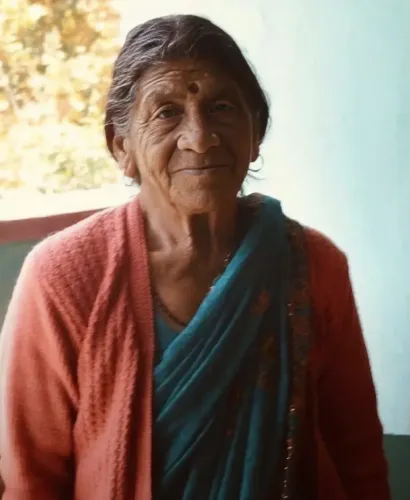
Sonowal condoles demise of CM Yogi's mother Savitri Devi
Synopsis
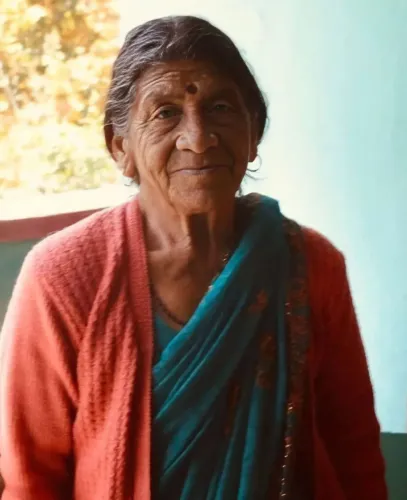
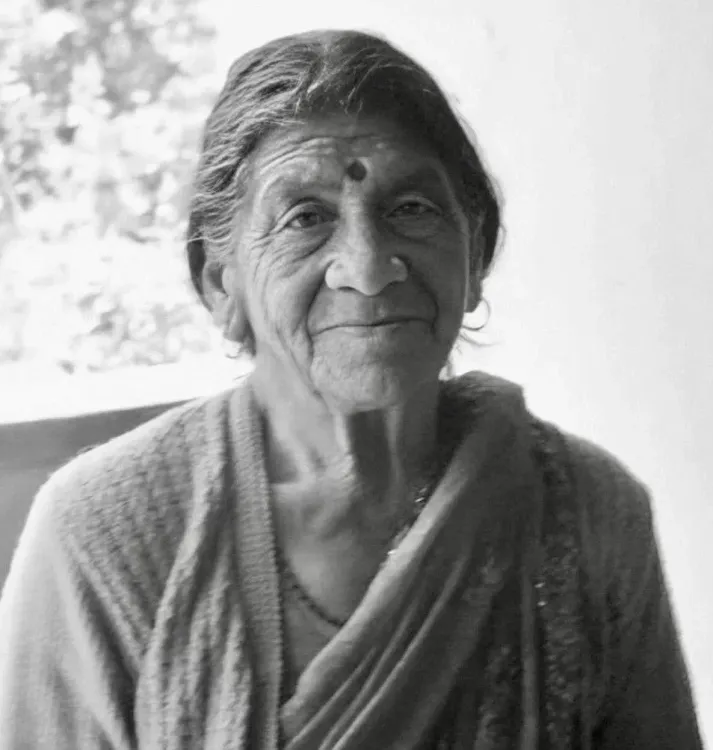
Union Minister Sarbananda Sonowal has offered condolences on the passing of Savitri Devi, mother of UP Chief Minister Yogi Adityanath, praying for peace for the departed soul and strength for the grieving family.
Key Takeaways
Union Minister Sarbananda Sonowal condoled the demise of Savitri Devi , mother of UP CM Yogi Adityanath , on 20 November 2026 .
Sonowal described the news as 'deeply saddening and painful' and offered homage to the departed soul.
He prayed for God to grant Savitri Devi a place at His feet and for the family to find strength in grief.
Sonowal, a former Chief Minister of Assam , extended solidarity as one who shares the experience of leading a state.
The condolence is part of a broader pattern of senior BJP leaders publicly mourning the personal losses of party colleagues.
The passing of Savitri Devi, the mother of Uttar Pradesh Chief Minister Yogi Adityanath, drew an outpouring of grief from across the political spectrum on Friday, 20 November 2026 — with Union Minister of Ports, Shipping and Waterways Sarbananda Sonowal among the first senior central government figures to publicly offer his condolences.
Posting in Hindi on X, Sonowal called the news 'atyant dukkhad evam peedadayak' — 'deeply saddening and painful' — and offered a heartfelt tribute to the departed soul. 'I offer my heartfelt homage to the departed holy soul,' he wrote, praying that God grant her a place at His feet and that CM Yogi and the entire bereaved family find the 'strength and patience to bear this immense grief in this difficult hour.' He concluded with the Sanskrit benediction Om Shanti.
A son in public life, a family in private grief
Yogi Adityanath, one of the most prominent faces of the Bharatiya Janata Party, has led Uttar Pradesh — India's most populous state — since 2017. The loss of a parent places a sharply human moment at the centre of a very public life. Sonowal's message, addressed directly to the Chief Minister, struck that personal register deliberately.
Sarbananda Sonowal himself served as Chief Minister of Assam before moving to the Union Cabinet, making his condolence the gesture of one former chief minister to a sitting one — a bond of shared experience that lends the message particular weight within BJP circles.
Solidarity within the BJP's senior ranks
Indian political culture places considerable weight on public condolences for the family members of leaders, and within the BJP such messages flow swiftly and visibly. Sonowal's post is part of a broader pattern of solidarity among the party's central and state leadership at moments of personal loss. Further statements and possible attendance at last rites by other senior figures are expected in the hours ahead.
For a party whose internal culture blends governance with an almost familial sense of fraternity, the collective mourning of a colleague's loss is both a personal duty and a public signal — that behind the machinery of power, the ties of human feeling still hold.
Point of View
Amplified on social media, serve a dual function: they humanise leaders for their constituents while also signalling the depth of fraternal bonds within the party's top tier. In an era of relentless political optics, even grief becomes a carefully watched data point.
NationPress
20 Nov 2026
Frequently Asked Questions
Who is Savitri Devi in relation to Yogi Adityanath?
Savitri Devi was the mother of Uttar Pradesh Chief Minister Yogi Adityanath. Her passing on 20 November 2026 prompted condolences from senior political leaders across India.
What did Sarbananda Sonowal say about Savitri Devi's passing?
Union Minister Sarbananda Sonowal called the news 'deeply saddening and painful,' offered heartfelt homage to the departed soul, and prayed for God to grant her peace and to give CM Yogi and the family strength to bear the loss.
Who is Sarbananda Sonowal?
Sarbananda Sonowal is India's Union Minister of Ports, Shipping and Waterways, a senior BJP leader, and a former Chief Minister of Assam.
Who is Yogi Adityanath?
Yogi Adityanath is the Chief Minister of Uttar Pradesh and one of the most prominent leaders of the Bharatiya Janata Party, serving as CM since 2017.
Why do Indian political leaders post public condolences on social media?
Public condolences on social media reflect both personal courtesy and political culture in India, where expressing solidarity at moments of personal loss — especially for colleagues' family members — is a widely observed norm across party lines.