Chirag Paswan urges beverage industry to globalise sattoo, jaljira, aam panna
Synopsis
At the National Beverage Conclave 2026 in New Delhi, Union Food Processing Minister Chirag Paswan called on India's beverage industry to modernise and export traditional drinks like sattoo, jaljira and aam panna, aligning with PM Modi's 'Saptadhara' vision for India as a global beverage manufacturing hub.
Key Takeaways
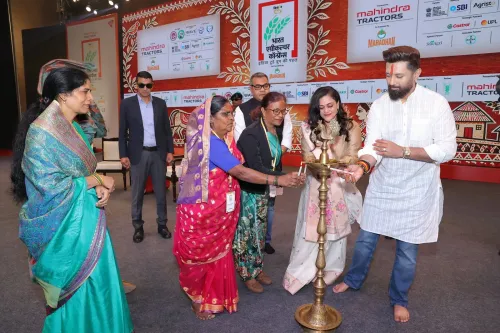
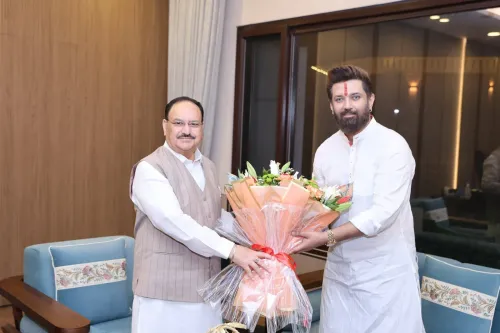
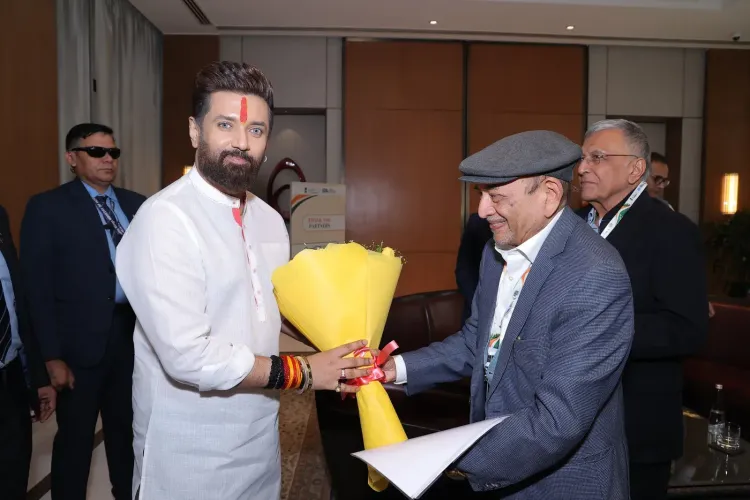
Chirag Paswan addressed the opening session of the National Beverage Conclave 2026 , organised by the Indian Beverage Association in New Delhi on 20 November 2026 .
He urged the industry to use modern technology to develop and export traditional beverages — specifically citing sattoo, jaljira , and aam panna — to global markets.
The push was framed around PM Narendra Modi's 'Saptadhara' vision for making India a global hub for beverage manufacturing, innovation, and exports.
Paswan called for greater value addition to Indian farmers' produce , arguing India's global identity must come from finished branded products, not just raw agricultural output.
The initiative builds on existing schemes including Pradhan Mantri Kisan Sampada Yojana (2017) and the PM Formalisation of Micro Food Processing Enterprises scheme (2020) .
India's traditional kitchen — sattoo, jaljira, aam panna — could be the next global beverage frontier. That was the central argument Union Food Processing Minister Chirag Paswan put to India's beverage industry at the National Beverage Conclave 2026 in New Delhi on Friday, 20 November 2026, urging manufacturers to stop thinking of these age-old drinks as regional curiosities and start treating them as world-class export brands.
From farm gate to global shelf
Paswan told the opening session of the conclave, organised by the Indian Beverage Association, that India's identity must be built not just on its agricultural output but on the finished products and global brands it can create from that output. His call was direct: 'भारतीय किसानों की उपज का अधिक मूल्य संवर्धन करे' — the industry must add far greater value to what Indian farmers grow.
The minister framed the push around Prime Minister Narendra Modi's 'Saptadhara' vision — a framework centred on making India a global hub for beverage manufacturing, innovation, and exports. Because specific details of the Saptadhara framework have not been officially published, Paswan's remarks at the conclave represent its first substantial public articulation in a beverage-sector context.
Why sattoo, jaljira, and aam panna — and why now
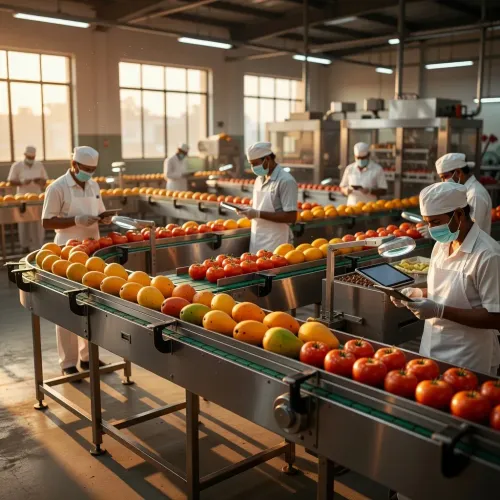
The choice of examples was deliberate. Sattoo (roasted gram flour drink), jaljira (spiced cumin water), and aam panna (raw mango cooler) are low-cost, nutrition-dense, and deeply embedded across Indian households — but almost entirely absent from organised global retail. Paswan's argument: modern processing technology can standardise, shelf-stabilise, and package these products for diaspora and mainstream export markets in a way that artisanal production never could.
This sits squarely within the food-processing policy architecture that successive central governments have assembled. The Pradhan Mantri Kisan Sampada Yojana, launched in 2017, built cold-chain and processing infrastructure specifically to cut post-harvest losses. The PM Formalisation of Micro Food Processing Enterprises scheme, announced in 2020, extended credit and technology support to small producers — exactly the kind of units that make traditional beverages today. Scaling them into export-ready brands is the logical next step in that chain.
The bigger Atmanirbhar bet on beverage exports
India's food processing sector has long been an underperformer relative to the country's agricultural scale. The minister's remarks fit a pattern where the government is explicitly trying to change that ratio — converting raw commodity value into branded, processed product value before it leaves the country. The beverage segment, dominated at the premium end by multinational brands, is a conspicuous gap.
For small farmers, the pitch is concrete: a litre of raw mango sold at the farm gate earns a fraction of what a bottled aam panna commands on a supermarket shelf in Dubai or London. Closing that gap through domestic processing is both an agricultural-income play and an export-revenue play simultaneously.
Industry watchers will now look to whether the minister's remarks translate into specific allocations in the next Union Budget — whether for processing infrastructure, export promotion, or branding support for traditional beverages — and whether Indian beverage firms use upcoming international trade events to pilot these products at scale.
India has the raw material, the recipes, and the diaspora demand. The question the minister put squarely on the industry's table: does it have the ambition to match?
Point of View
The minister is signalling that the next phase of Atmanirbhar Bharat in food processing is about cultural products becoming commercial ones. The appeal to the beverage industry to self-mobilise, rather than waiting for government mandates, also reflects the government's preferred public-private framing. Whether the industry responds with investment or the Budget delivers matching incentives will determine how far the rhetoric travels.
NationPress
20 Nov 2026
Frequently Asked Questions
What is the National Beverage Conclave 2026?
The National Beverage Conclave 2026 is an industry event organised by the Indian Beverage Association in New Delhi to promote growth, policy dialogue, and innovation in India's beverage sector. Union Food Processing Minister Chirag Paswan addressed its opening session on 20 November 2026.
What is PM Modi's 'Saptadhara' vision for beverages?
According to Minister Chirag Paswan's remarks at the conclave, PM Modi's 'Saptadhara' vision aims to make India a global hub for beverage manufacturing, innovation, and exports. Specific published details of the framework have not yet been officially released.
Why did Chirag Paswan mention sattoo, jaljira, and aam panna specifically?
Paswan cited sattoo, jaljira, and aam panna as examples of nutrition-dense traditional Indian beverages that are largely absent from organised global retail. He urged the industry to use modern technology to standardise and export them, adding value for farmers and earning foreign exchange.
How does this connect to India's existing food processing schemes?
The push builds on the Pradhan Mantri Kisan Sampada Yojana (2017), which created processing infrastructure to reduce post-harvest losses, and the PM Formalisation of Micro Food Processing Enterprises scheme (2020), which supports small producers. Scaling traditional beverages for export is the next step in that policy chain.
What should the beverage industry watch for after this conclave?
Industry stakeholders should track Union Budget allocations for food processing infrastructure, branding support for traditional beverages, and India's participation in upcoming international trade events where these products could be piloted for export markets.