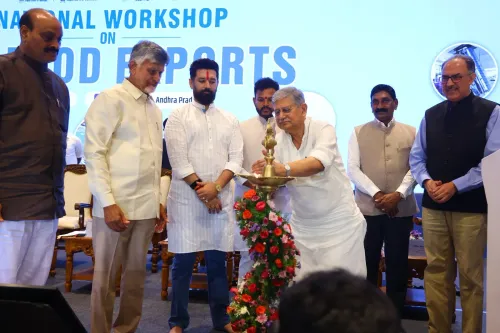
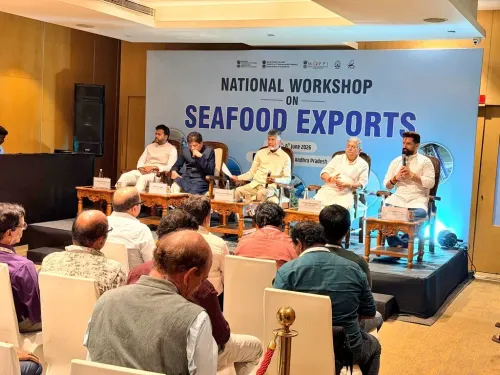
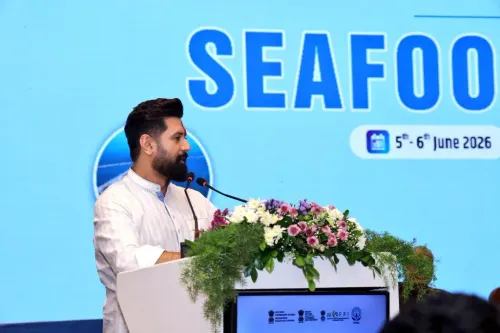
Chirag Paswan at Marine Export Workshop in Visakhapatnam
Synopsis
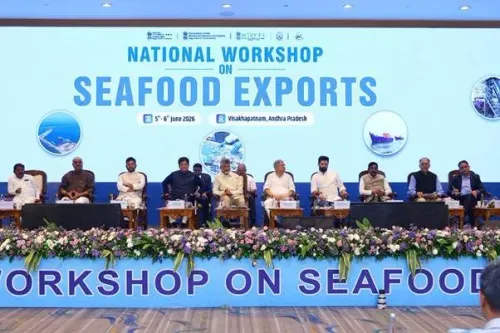
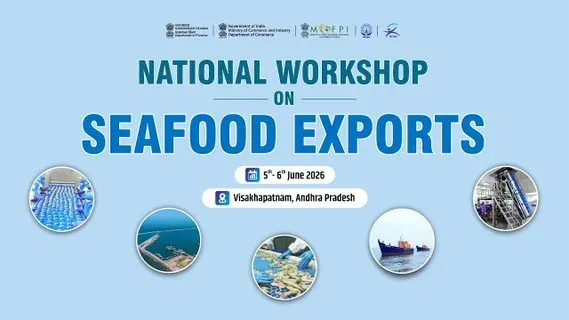
Union Food Processing Minister Chirag Paswan participated live in the National Marine Products Export Workshop in Visakhapatnam on June 5, 2026. The event focused on production, processing, quality standards, and global market access to advance India's seafood export ambitions.
Key Takeaways
Union Food Processing Minister Chirag Paswan attended the National Marine Products Export Workshop in Visakhapatnam on June 5, 2026 .
Discussions centred on production, processing, quality, and access to global markets for India's marine and fisheries export sector.
Visakhapatnam hosts major marine-product processing clusters and export infrastructure on India's east coast.
The Pradhan Mantri Matsya Sampada Yojana (PMMSY) , launched in 2020 , funds processing plants, cold chains, and export-oriented aquaculture clusters relevant to the workshop's agenda.
The Marine Products Export Development Authority (MPEDA) oversees quality regulation and market development for India's seafood exports.
Policy focus includes meeting EU and US sanitary standards and diversifying exports beyond raw shrimp.
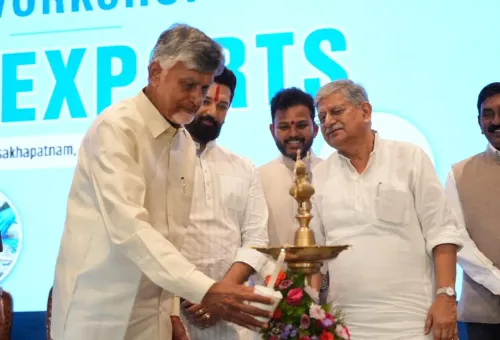
Union Food Processing Minister Chirag Paswan joined the National Marine Products Export Workshop in Visakhapatnam on Friday, June 5, 2026, participating live as stakeholders gathered to chart a course for scaling India's seafood and marine products exports.
Context
Posting from the event, Chirag Paswan wrote: 'राष्ट्रीय समुद्री उत्पाद निर्यात कार्यशाला, विशाखापट्टनम से लाइव' ['Live from the National Marine Products Export Workshop, Visakhapatnam']. He noted that discussions were focused on production, processing, quality, and access to global markets — framing the workshop as a step toward taking India's fisheries and marine export sector to 'the next stage.'
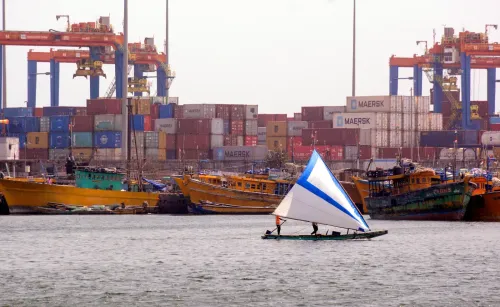
Visakhapatnam, a major east-coast port city in Andhra Pradesh, hosts several marine-product processing clusters and export infrastructure, making it a natural venue for a national-level industry dialogue of this kind.
Policy Backdrop
India's marine products export push sits within a wider policy architecture. The Pradhan Mantri Matsya Sampada Yojana (PMMSY), launched in 2020, allocated significant central funds for modernising processing plants, building cold-chain networks, and developing export-oriented aquaculture clusters across coastal states.
The Marine Products Export Development Authority (MPEDA), a statutory body under the Commerce Ministry, oversees seafood export promotion, quality regulation, and market development. Successive governments have prioritised value-added seafood exports to raise India's share in global markets, with particular emphasis on meeting stringent sanitary standards required by the European Union and the United States, and on diversifying the export basket beyond raw shrimp.
The growing overlap between the Food Processing and Fisheries ministries — through shared infrastructure schemes and state-level export workshops — reflects a deliberate effort to integrate the seafood value chain from catch to consumer.
Stakeholders and Impact
The workshop brings together seafood exporters, processing-unit operators, and coastal fishing communities whose livelihoods are directly tied to export competitiveness. For small and medium exporters, access to updated quality protocols and market-linkage information can directly affect their ability to meet buyer specifications in high-value markets.
Coastal fishermen in Andhra Pradesh and neighbouring states stand to benefit if workshop outcomes translate into better cold-chain access, higher prices for certified produce, and expanded processing capacity under schemes like PMMSY. The event also signals continued ministerial attention to the sector at a time when global seafood trade competition is intensifying.
What's Next
Observers will watch for any specific policy announcements, processing-unit approvals, or revised export targets that emerge from the Visakhapatnam workshop. MPEDA quarterly export statistics and updates to PMMSY guidelines on processing infrastructure will be key indicators of whether the workshop's momentum translates into measurable gains for India's marine export sector.
With global demand for certified, value-added seafood rising, the direction set at events like this one could shape India's positioning in an increasingly competitive international market.
Point of View
A hub for marine processing in Andhra Pradesh, is politically and industrially deliberate, reinforcing the Centre's outreach to coastal states. The event fits a broader pattern of using workshops and state-level engagements to build consensus around PMMSY implementation and export-quality upgrades. Whether the dialogue produces concrete policy deliverables — new processing approvals, revised MPEDA targets, or cold-chain investments — will determine its lasting significance.
NationPress
20 Oct 2026
Frequently Asked Questions
What is the National Marine Products Export Workshop in Visakhapatnam?
It is a national-level industry and policy dialogue held in Visakhapatnam on June 5, 2026, focused on advancing India's seafood and marine products exports through discussions on production, processing, quality, and global market access.
Why did Chirag Paswan attend a marine products workshop?
As Union Minister of Food Processing Industries, Chirag Paswan's ministry intersects with the seafood value chain through shared infrastructure schemes and processing-sector policy, making the workshop relevant to his portfolio.
What is MPEDA and what role does it play in seafood exports?
The Marine Products Export Development Authority (MPEDA) is a statutory body under the Commerce Ministry that promotes seafood exports, enforces quality standards, and develops international market linkages for Indian seafood producers.
What is Pradhan Mantri Matsya Sampada Yojana?
PMMSY is a central government scheme launched in 2020 to modernise India's fisheries sector through investment in processing plants, cold-chain infrastructure, and export-oriented aquaculture clusters.
Which markets does India target for marine product exports?
India targets high-value markets including the European Union and the United States, with increasing focus on meeting their strict sanitary standards and diversifying exports beyond raw shrimp to value-added products.