Sonowal extends Chhath Puja greetings, invokes Sun God's blessings
Synopsis
Union Minister Sarbananda Sonowal marked Chhath Puja on 15 November 2026 with warm greetings, invoking Surya Dev and Chhathi Maiya's blessings for prosperity — a festival celebrated by tens of millions for its sun worship and social harmony.
Key Takeaways
Sarbananda Sonowal , Union Minister of Ports, Shipping and Waterways, extended greetings for Chhath Puja on 15 November 2026 .
He invoked the blessings of Surya Dev (Sun God) and Chhathi Maiya for good fortune and prosperity for all.
Chhath Puja is observed primarily in Bihar , eastern Uttar Pradesh , and Jharkhand , with a wide migrant devotee base across India.
The festival centres on nature reverence, sun worship, and social harmony — with no idol at its core, the sun itself is worshipped.
The greeting is part of a broader BJP pattern of cultural outreach on regionally significant festivals in eastern India.
No policy announcement is linked to this message.
As dawn broke on Sunday, 15 November 2026, Union Minister of Ports, Shipping and Waterways Sarbananda Sonowal joined millions of devotees across the country in celebrating Chhath Puja — extending heartfelt greetings and invoking the blessings of Surya Dev and Chhathi Maiya for prosperity and happiness in every household.
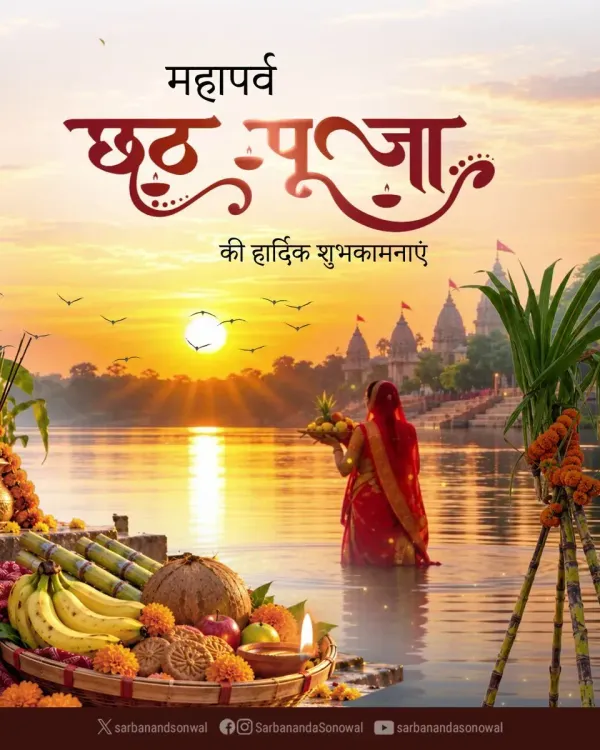
Posting on X in Hindi, Sonowal described Chhath as the 'mahaparv' — the great festival — of sun worship, social harmony, and deep reverence for nature. 'May Lord Surya Dev and Chhathi Maiya bring good fortune and happiness-prosperity into everyone's life,' he wrote, capturing the spirit of a festival that asks its devotees to stand knee-deep in rivers at sunrise and sunset, offering prayers with bare hands and open skies above them.
What Chhath Puja represents — and why it resonates so widely
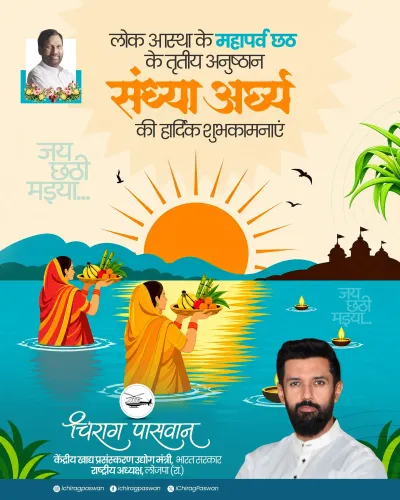
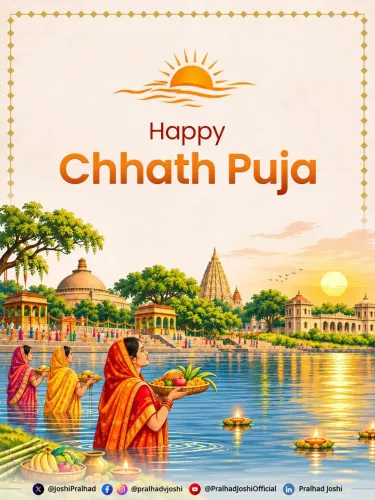
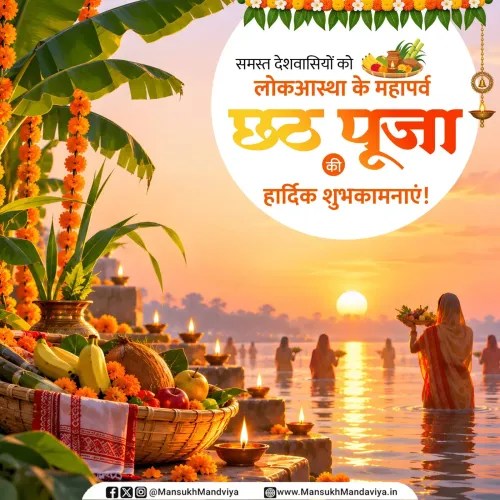
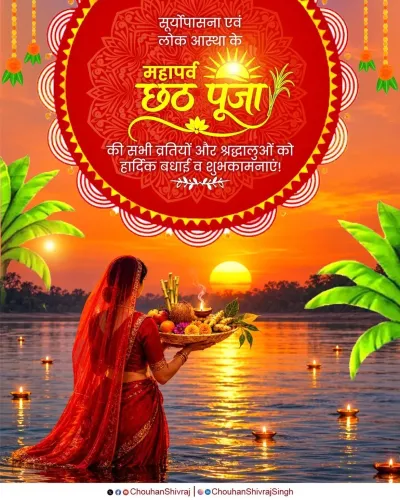
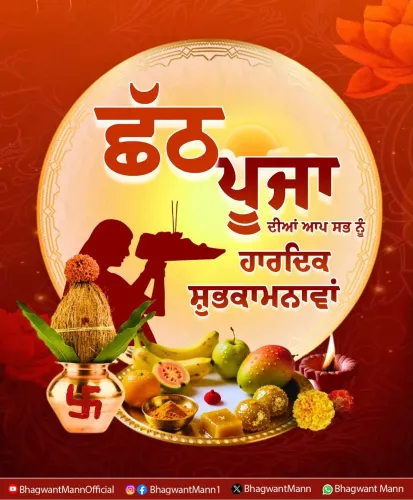
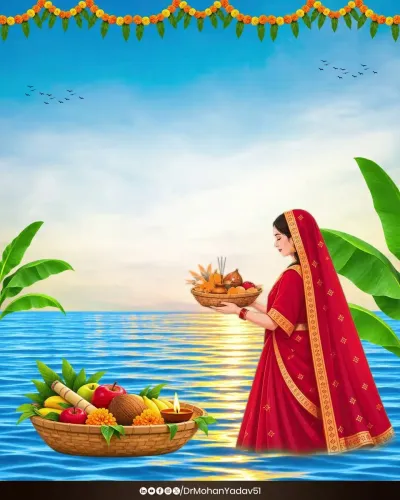
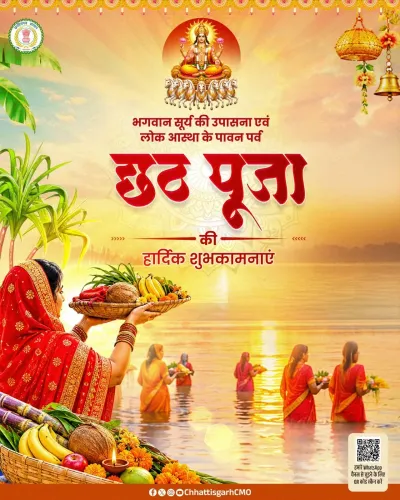
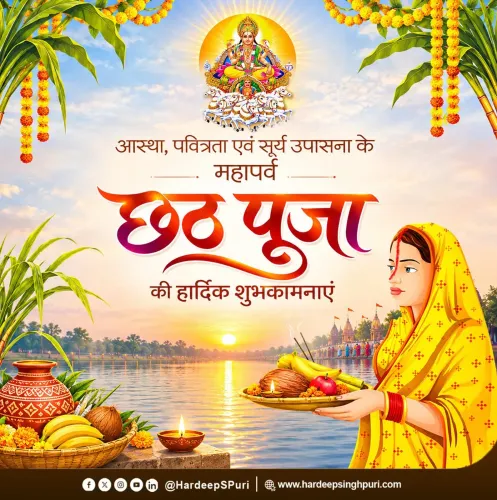
Chhath Puja is one of the most demanding and deeply personal festivals in the Hindu calendar. Observed primarily in Bihar, eastern Uttar Pradesh, and Jharkhand — and carried by migrant communities into every corner of the country — it involves rigorous fasting, ritual bathing, and two twilight prayer sessions that bookend the day: one at sunset (sandhya arghya) and one at sunrise (usha arghya). No idol stands at its centre. The sun itself is the deity. That simplicity is precisely its power.
The festival's emphasis on prakriti puja — worship of nature — and its tradition of collective participation across caste and class lines make it a rare example of a regional festival that has grown into a pan-Indian cultural moment. Ghats from Patna to Mumbai to Delhi's Yamuna bank fill with tens of millions of worshippers each year.
BJP's pattern of cultural outreach on regional festivals
Sonowal's greeting fits a consistent pattern of cultural messaging by BJP leaders around festivals with strong regional followings in eastern India. For a party that has invested heavily in Bihar and eastern UP as electoral battlegrounds, acknowledging Chhath — with its enormous devotee base — is both cultural respect and strategic signal. Sonowal himself, as a senior leader from Assam and a former Chief Minister of that state, brings a northeastern voice to a festival rooted in the Gangetic plains, underscoring the BJP's effort at inclusive cultural presence across India's diverse geography.
No policy announcement or parliamentary action accompanies this greeting. It stands as what it is: a minister pausing at a moment of collective faith to wish the nation well — and in a festival as viscerally communal as Chhath, that pause carries its own quiet weight.
Chhath asks nothing of the sky except its light. For the millions standing at the water's edge this season, that is more than enough.
Point of View
But its political subtext is real: Chhath commands one of the largest and most emotionally intense devotee bases in Bihar and eastern UP — states central to BJP's electoral arithmetic. For a senior leader from Assam extending greetings for a Gangetic-plains festival, the message also signals the party's pan-regional cultural ambition. With no policy content attached, the post's value is entirely symbolic — but in Indian politics, symbols at festival moments are rarely without calculation.
NationPress
15 Nov 2026
Frequently Asked Questions
What did Sarbananda Sonowal say about Chhath Puja?
Sonowal extended heartfelt greetings for Chhath Puja, describing it as the great festival of sun worship, social harmony, and nature reverence, and prayed that Surya Dev and Chhathi Maiya bring good fortune and prosperity to all.
What is Chhath Puja and when is it celebrated?
Chhath Puja is a Hindu festival dedicated to the Sun God and Chhathi Maiya, observed primarily in Bihar, eastern Uttar Pradesh, and Jharkhand. It involves fasting, ritual bathing, and twilight prayer offerings at sunrise and sunset.
Why do BJP leaders post Chhath Puja greetings?
Chhath Puja has tens of millions of devotees concentrated in Bihar and eastern UP — states crucial to BJP's electoral strategy. Public greetings form part of the party's cultural outreach to acknowledge regionally significant festivals.
Who is Sarbananda Sonowal?
Sarbananda Sonowal is a senior BJP leader and India's Union Minister of Ports, Shipping and Waterways. He previously served as Chief Minister of Assam.
What makes Chhath Puja unique among Hindu festivals?
Unlike most Hindu festivals, Chhath Puja has no idol at its centre — the sun itself is worshipped directly. Its rituals emphasise nature reverence and social harmony, with devotees standing in rivers at sunrise and sunset to offer prayers.