Sonowal congratulates 6 Assam artists on Bismillah Khan Yuva Puraskar
Synopsis
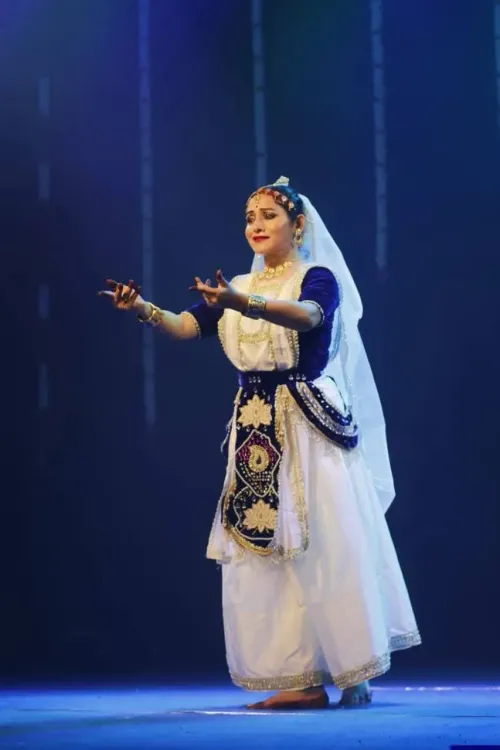
Union Minister Sarbananda Sonowal congratulated six Assamese cultural practitioners — Meenakshi Medhi, Dilip Hira, Bidyut Kumar Nath, Debajit Saikia, Niranjan Saikia Barbayan and Hirak Jyoti Sarma — on receiving the Ustad Bismillah Khan Yuva Puraskar for 2024 and 2025 from the Sangeet Natak Akademi.
Key Takeaways
Six artists from Assam — Smt.
Meenakshi Medhi, Shri Dilip Hira, Shri Bidyut Kumar Nath, Shri Debajit Saikia, Shri Niranjan Saikia Barbayan, and Shri Hirak Jyoti Sarma — have been conferred the Ustad Bismillah Khan Yuva Puraskar for 2024 and 2025 .
The award is given by the Sangeet Natak Akademi , India's national academy of music, dance and drama, under the Ministry of Culture .
The Ustad Bismillah Khan Yuva Puraskar was instituted in 2006 and recognises performing artists below the age of 40 .
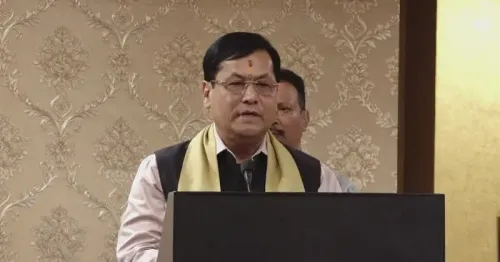
Union Minister Sarbananda Sonowal , a former Chief Minister of Assam, called the recognition a matter of 'immense pride and joy' for the state.
The award highlights Assam's performing arts traditions, which include Sattriya dance, Bihu folk forms and classical and devotional music.
Union Ports and Shipping Minister Sarbananda Sonowal on Thursday, June 11, 2026, congratulated six cultural practitioners from Assam who have been conferred the Ustad Bismillah Khan Yuva Puraskar for the years 2024 and 2025 by the Sangeet Natak Akademi. The minister, himself a former Chief Minister of Assam, called the recognition a matter of 'immense pride and joy' for all.
Context
The six recipients named by Sonowal are Smt. Meenakshi Medhi, Shri Dilip Hira, Shri Bidyut Kumar Nath, Shri Debajit Saikia, Shri Niranjan Saikia Barbayan, and Shri Hirak Jyoti Sarma. All six are practitioners of performing arts traditions rooted in Assam's diverse cultural landscape, which spans classical, folk and devotional forms. The minister wished them 'continued success in their pursuit of artistic excellence and in preserving Assam's vibrant cultural heritage.'
Policy Backdrop
The Ustad Bismillah Khan Yuva Puraskar was instituted by the Sangeet Natak Akademi in 2006 to honour emerging performing artists below the age of 40. The Akademi, India's national body for music, dance and drama, functions under the Ministry of Culture and has, over successive years, expanded the award's reach to include artists from across the country's diverse regional traditions. The award is named after the late shehnai maestro Ustad Bismillah Khan, a Bharat Ratna recipient widely regarded as a symbol of India's composite cultural heritage.
Central government cultural policy has consistently used national honours to spotlight artistic talent from the Northeast, framing such recognitions as part of a broader agenda to promote and preserve intangible cultural heritage. The Sangeet Natak Akademi awards cycle has grown in visibility as successive administrations have sought to integrate regional performing traditions into the national cultural mainstream.
Stakeholders and Impact
For the six Assamese artists, the award carries both symbolic and practical weight — national recognition from the Akademi can open doors to wider performance platforms, institutional support and documentation of their art forms. Assam has a particularly rich performing arts tradition, encompassing Sattriya dance (a UNESCO-recognised classical form), Bihu folk traditions, classical music and various devotional practices tied to the state's Vaishnavite heritage.
BJP leaders from the Northeast, including Sonowal, have made a pattern of publicly amplifying such recognitions, reinforcing the party's cultural outreach in the region. The minister's post, accompanied by four images, is likely to circulate widely in Assamese cultural and political circles.
What's Next
The next cycle of Sangeet Natak Akademi awards is expected to follow in due course, with nominations typically drawn from recommendations across states and union territories. Observers of Northeast cultural policy will also watch for any follow-up state-level grants or festivals announced by the Assam government that may complement the national recognition. The award adds to a growing record of Assamese artists receiving central honours, signalling sustained institutional attention to the state's performing arts ecosystem.
Point of View
Now nearly two decades old, has become an important instrument of soft cultural diplomacy — connecting regional traditions to a pan-India institutional framework. For Assam specifically, consistent representation in Akademi awards strengthens the case for greater state-level cultural investment. The minister's post, while ceremonial in tone, reinforces a political messaging strategy that ties BJP's Northeast governance record to cultural pride.
NationPress
20 Sept 2026
Frequently Asked Questions
What is the Ustad Bismillah Khan Yuva Puraskar?
The Ustad Bismillah Khan Yuva Puraskar is an annual award given by the Sangeet Natak Akademi, India's national academy of music, dance and drama, to honour emerging performing artists below the age of 40. It was instituted in 2006 and is named after the late shehnai maestro Ustad Bismillah Khan.
Who are the Assam artists who received the Bismillah Khan Yuva Puraskar for 2024 and 2025?
The six recipients from Assam are Smt. Meenakshi Medhi, Shri Dilip Hira, Shri Bidyut Kumar Nath, Shri Debajit Saikia, Shri Niranjan Saikia Barbayan, and Shri Hirak Jyoti Sarma, as named by Union Minister Sarbananda Sonowal in his post on June 11, 2026.
Who gives the Ustad Bismillah Khan Yuva Puraskar?
The award is conferred by the Sangeet Natak Akademi, which functions under India's Ministry of Culture and is the country's apex body for the promotion of music, dance and drama.
Why did Sarbananda Sonowal congratulate the Assam artists?
Sonowal, who is Union Minister of Ports, Shipping and Waterways and a former Chief Minister of Assam, congratulated the six artists on receiving the national Ustad Bismillah Khan Yuva Puraskar, calling it a matter of 'immense pride and joy' for the state.
What performing arts traditions is Assam known for?
Assam has a rich performing arts heritage that includes Sattriya dance (recognised by UNESCO as a classical form), Bihu folk traditions, classical music and devotional practices rooted in the state's Vaishnavite culture.