Sonowal Wraps India Shipbuilding Investment Conclave 2026
Synopsis
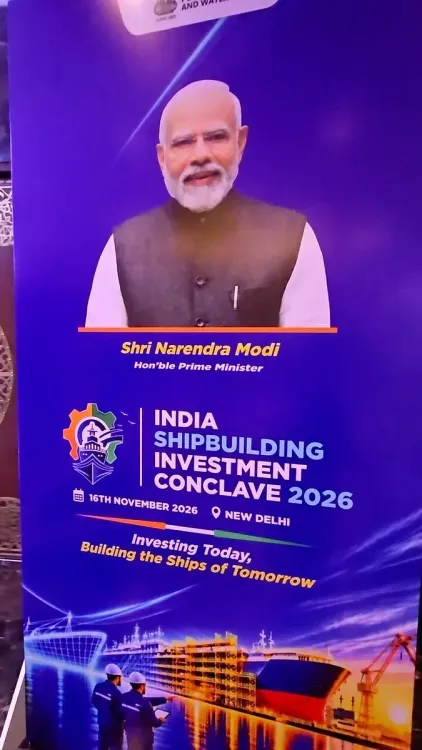
Union Minister Sarbananda Sonowal shared highlights from the India Shipbuilding Investment Conclave 2026 on 17 November, underlining the government's drive to attract capital into domestic shipyards under Sagarmala and Atmanirbhar Bharat frameworks.
Key Takeaways
Union Minister Sarbananda Sonowal shared highlights from the India Shipbuilding Investment Conclave 2026 on 17 November 2026 .
The conclave is organised by the Ministry of Ports, Shipping and Waterways to attract domestic and international investment into Indian shipyards.
India's shipbuilding push is anchored in the Sagarmala Project (launched 2015 ) and broader Make in India and Atmanirbhar Bharat frameworks.
Key stakeholders include private shipyards, public-sector undertakings, maritime investors, and global shipping lines.
Follow-up investment commitments and greenfield shipyard project announcements are the metrics to watch in the coming months.
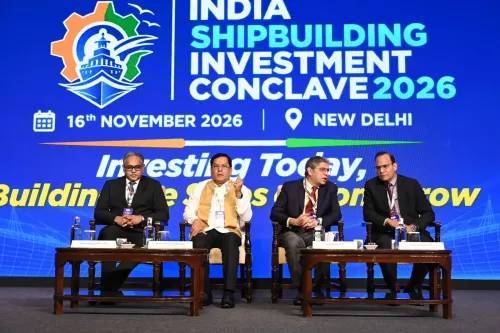
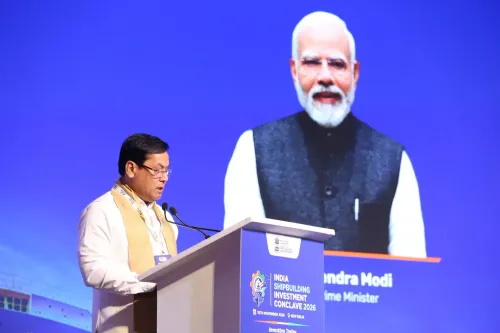
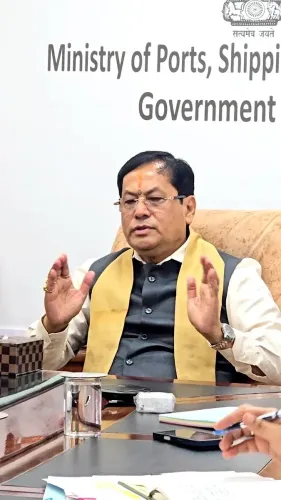
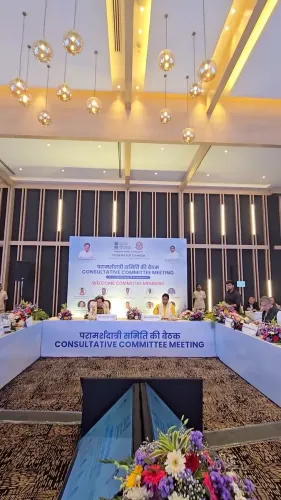
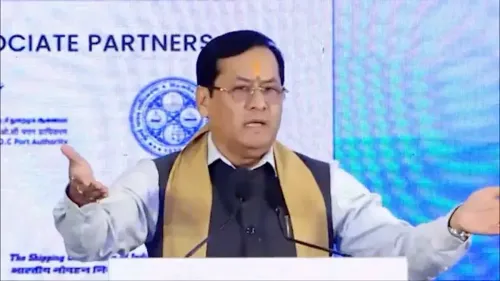
India's maritime ambitions took centre stage on Tuesday, 17 November 2026, as Union Minister of Ports, Shipping and Waterways Sarbananda Sonowal shared highlights from an action-packed day at the India Shipbuilding Investment Conclave 2026 — a gathering designed to convert policy intent into real shipyard commitments.
A Conclave Built on Atmanirbhar Bharat's Maritime Push
The conclave did not emerge from thin air. It sits inside a decade-long policy arc that began with the Sagarmala Project, launched in 2015, which set out to transform India's coastline into an engine of port-led development, coastal shipping, and domestic shipbuilding capacity. The logic was straightforward: a country with roughly 7,500 kilometres of coastline and booming seaborne trade had no business farming out the bulk of its vessel orders to foreign yards.
The Make in India and Atmanirbhar Bharat frameworks deepened that logic, linking shipbuilding incentives to broader port modernisation and coastal trade targets. The result, over successive years, has been a gradual build-up of policy scaffolding — financial incentives, cabotage liberalisation reviews, and push for private investment in greenfield shipyards — waiting for a catalyst like this conclave to crystallise into actual steel and capital.
Ideas Meeting Capital at the Conclave Floor
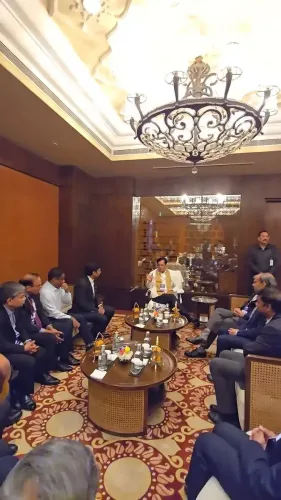
Minister Sonowal's post, shared with a highlight reel video, described the day as 'eventful' — a word that in the language of investment conclaves signals something tangible: presentations, bilateral conversations between investors and shipyard operators, and, critically, the possibility of letters of intent or early-stage commitments. The Ministry of Ports, Shipping and Waterways has been the convening authority, positioning the event as a bridge between India's shipbuilding potential and the domestic and international capital needed to unlock it.
The stakeholders in the room span a wide arc — domestic private shipyards seeking equity partnerships, public-sector undertakings looking to modernise drydock capacity, maritime investors hunting for long-cycle infrastructure plays, and global shipping lines watching whether India can credibly localise vessel procurement. A conclave of this nature is, at its core, a trust-building exercise: convincing investors that the policy framework is durable enough to justify a commitment measured in years, not quarters.
What the Shipbuilding Sector Is Watching Now
The real verdict on the India Shipbuilding Investment Conclave 2026 will not be written in highlights reels — it will be written in the follow-up: announced project sanctions, new shipyard MoUs, and whether fresh capital flows into Indian yards in the months ahead. The Ministry's watch list includes greenfield shipyard project announcements and investment commitments from both domestic conglomerates and foreign strategic partners. India's share of global shipbuilding output remains a fraction of what its coastline and trade volumes would suggest it should be. That gap is precisely the opportunity the conclave was designed to close.
Sonowal, a senior BJP leader who served as Chief Minister of Assam before taking the maritime portfolio, has made port-led economic growth a signature theme. This conclave is a continuation of that push — and the highlights he shared today are, in effect, an opening bid in a much longer negotiation between ambition and execution.
Point of View
Which is a shift. If the event produces verifiable investment commitments, it marks a meaningful inflection in the Sagarmala-to-Atmanirbhar continuum; if it remains at the level of intent, it joins a long list of maritime conclaves that generated press but little steel.
NationPress
17 Nov 2026
Frequently Asked Questions
What is the India Shipbuilding Investment Conclave 2026?
The India Shipbuilding Investment Conclave 2026 is an event organised under the Ministry of Ports, Shipping and Waterways to bring together investors, shipyards, and policy-makers to accelerate domestic shipbuilding capacity and attract capital into Indian yards.
What is the Sagarmala Project and how does it relate to shipbuilding?
The Sagarmala Project, launched in 2015, is a central government initiative to promote port-led development, coastal shipping, and domestic shipbuilding. It provides the foundational policy framework within which shipbuilding investment drives like this conclave are situated.
Who is Sarbananda Sonowal and what is his role?
Sarbananda Sonowal is India's Union Minister of Ports, Shipping and Waterways, a senior BJP leader, and former Chief Minister of Assam. He oversees policy and development for India's maritime sector including ports and shipbuilding.
Why is India focusing on domestic shipbuilding?
India has roughly 7,500 kilometres of coastline and significant seaborne trade but historically ordered most vessels from foreign yards. Under Make in India and Atmanirbhar Bharat, the government aims to build domestic shipbuilding capacity, reduce import dependence, and grow the maritime economy.
What outcomes should we expect after the India Shipbuilding Investment Conclave?
Key outcomes to watch include formal investment commitments, greenfield shipyard project announcements, MoUs between investors and shipyard operators, and any new policy incentives announced by the Ministry of Ports, Shipping and Waterways.