Sonowal Calls EU Commissioner to Fast-Track Indian Ship Recycling Yards
Synopsis
Union Minister Sarbananda Sonowal called EU Commissioner Jessika Roswall on 1 July 2026 to accelerate inclusion of Indian ship recycling yards under the EU Ship Recycling Regulation, citing India's status as the world's top recycling nation and a $8 billion sectoral commitment.
Key Takeaways
Sonowal held a direct call with EU Commissioner Jessika Roswall on 1 July 2026 focused on fast-tracking EUSRR approval for Indian yards.
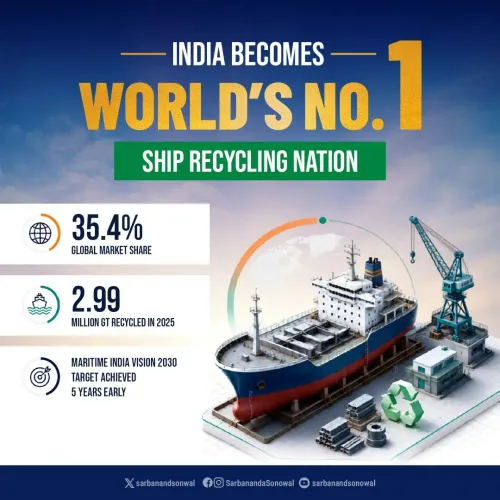
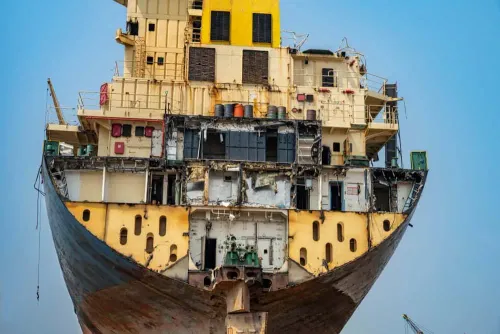
India is currently the world's number-one ship recycling nation , with major facilities concentrated in Alang, Gujarat .
The government has cited a $8 billion financial commitment to shipbuilding and ship recycling, targeting recycling of around 16,000 ships over the next decade.
India acceded to the Hong Kong International Convention on safe ship recycling in 2019 , aligning domestic standards with global norms.
The push for EUSRR listing is linked to the broader India-EU Free Trade Agreement negotiations that resumed in 2022.
A formal EU listing decision for Indian yards remains the key milestone to watch in the coming months.
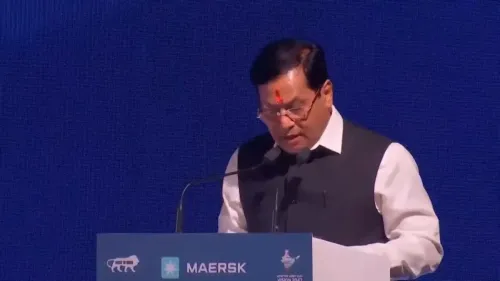
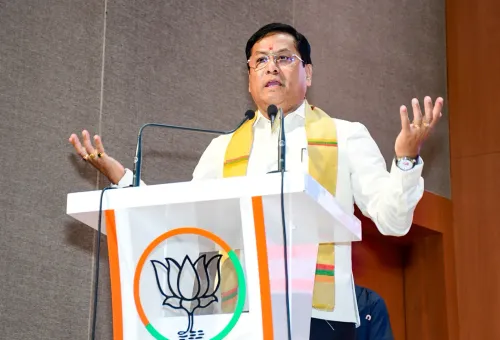
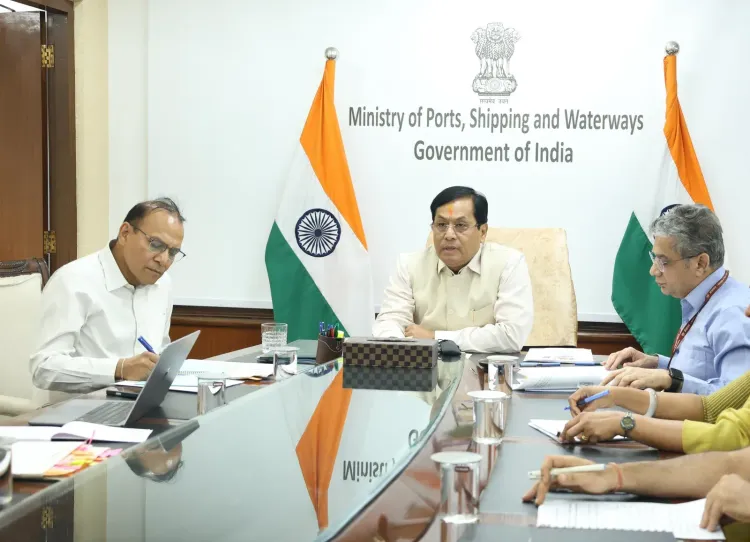
Union Minister of Ports, Shipping and Waterways Sarbananda Sonowal held a productive call with EU Commissioner Jessika Roswall on 1 July 2026 to accelerate the inclusion of Indian ship recycling yards under the EU Ship Recycling Regulation (EUSRR), a move that could significantly expand market access for the world's largest ship recycling nation.
Context
Sonowal announced that the discussion covered a 'roadmap for seamless coordination' and reaffirmed 'mutual commitment to sustainable global standards and broader India-EU FTA goals.' India currently holds the position of the world's number-one ship recycling nation, processing the largest share of global tonnage at its yards, primarily concentrated along the Alang coast in Gujarat.
The minister also cited a $8 billion financial commitment to shipbuilding and ship recycling, with an ambition to recycle around 16,000 ships over the next decade — figures that underscore the scale of India's maritime industrial ambitions under the current government.
Policy Backdrop
India's push for EUSRR recognition is rooted in a broader regulatory upgrading effort. India acceded to the Hong Kong International Convention for Safe and Environmentally Sound Recycling of Ships in 2019, committing to international safety and environmental benchmarks for its recycling facilities. The Maritime India Vision 2030, released in 2021, further embedded sustainable port and shipping infrastructure as a national priority.
The EU Ship Recycling Regulation requires that vessels flying EU flags be dismantled only at facilities on an approved European List, which currently includes yards in select countries meeting the bloc's environmental and worker-safety standards. Securing a place on that list has been a long-standing objective for Indian yards, which have progressively modernised operations to meet global norms. Negotiations for the India-EU Broad-Based Trade and Investment Agreement resumed in 2022 after a prolonged pause, and regulatory convergence in maritime sectors is seen as one lever to advance that broader economic partnership.
Stakeholders and Impact
The primary beneficiaries of a successful EUSRR listing would be the Indian ship recycling industry and the large maritime workforce employed at facilities such as those in Alang, Gujarat. EU-flagged vessel owners, who currently must route end-of-life ships to approved yards outside India, would gain a cost-competitive and geographically advantageous option.
For the European Union, formal recognition of Indian yards would expand the global pool of compliant recycling capacity, easing logistical and financial pressures on European shipping companies. The alignment also carries diplomatic value as both sides work toward finalising the pending free trade agreement, with maritime regulatory equivalence serving as a confidence-building measure.
What's Next
The immediate focus will be on whether the European Commission moves toward a formal listing decision for Indian recycling yards following the ministerial-level engagement. Any concrete announcement is likely to emerge during the next round of India-EU trade talks or through the Commission's periodic review of its approved facilities list.
With Prime Minister Narendra Modi's government having framed green maritime development as central to India's economic diplomacy, the outcome of this regulatory negotiation will be watched closely by the shipbreaking industry, environmental groups, and trade negotiators on both sides.
Point of View
And would hand the government a tangible win on green diplomacy ahead of any FTA signing. The linkage to the India-EU trade talks is deliberate: regulatory equivalence in maritime sectors can serve as an early-harvest deliverable when broader tariff negotiations remain complex. The $8 billion commitment figure and the 16,000-ship target, whether confirmed or aspirational, are also being deployed as signals of credibility to a European audience that has historically been sceptical of the environmental record of South Asian shipbreaking.
NationPress
30 Sept 2026
Frequently Asked Questions
What is the EU Ship Recycling Regulation and why does India want to be on its list?
The EU Ship Recycling Regulation requires EU-flagged ships to be dismantled only at facilities on an approved European List that meet strict environmental and worker-safety standards. India wants its yards included so that EU-flagged vessels can legally be recycled there, expanding business for the country's ship recycling industry.
Where are India's main ship recycling yards located?
India's largest ship recycling facilities are concentrated in Alang in Gujarat , which handles the bulk of the country's shipbreaking tonnage and is one of the largest such clusters in the world.
What is India's financial commitment to ship recycling and shipbuilding?
Minister Sonowal cited a $8 billion financial commitment to the shipbuilding and ship recycling sector, with a target to recycle around 16,000 ships over the next decade, as part of India's maritime growth strategy.
How does this relate to the India-EU Free Trade Agreement?
Sonowal's call with Commissioner Roswall explicitly linked EUSRR inclusion to broader India-EU FTA goals . Achieving regulatory equivalence in the maritime sector is seen as a confidence-building step that could support progress in the wider trade and investment agreement negotiations that resumed in 2022.
What international convention has India signed on ship recycling?
India acceded to the Hong Kong International Convention for Safe and Environmentally Sound Recycling of Ships in 2019 , committing to international benchmarks for the environmental and safety standards at its recycling facilities.