Sonowal pays tribute to revolutionary Ram Prasad Bismil on birth anniversary
Synopsis
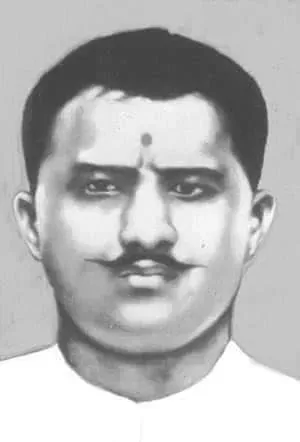
Union Minister Sarbananda Sonowal on 11 June 2026 paid tribute to revolutionary martyr Pandit Ram Prasad Bismil on his birth anniversary, honouring the Kakori train robbery leader who was executed by British authorities in 1927 at age 30.
Key Takeaways
Sarbananda Sonowal , Union Minister of Ports, Shipping and Waterways, paid tribute to Ram Prasad Bismil on his birth anniversary on 11 June 2026 .
Ram Prasad Bismil was born on 11 June 1897 in Shahjahanpur, Uttar Pradesh , and was executed on 19 December 1927 in Gorakhpur .
Bismil was a central figure in the Kakori train robbery of 1925 and a founding member of the Hindustan Republican Association .
His patriotic poetry, including 'Sarfaroshi ki tamanna' , remains widely remembered and recited in India.
The tribute is consistent with a broader pattern of ruling party ministers honouring revolutionary nationalists on fixed calendar anniversaries.
Bismil's legacy was also highlighted during the Azadi Ka Amrit Mahotsav programme launched in 2021 .
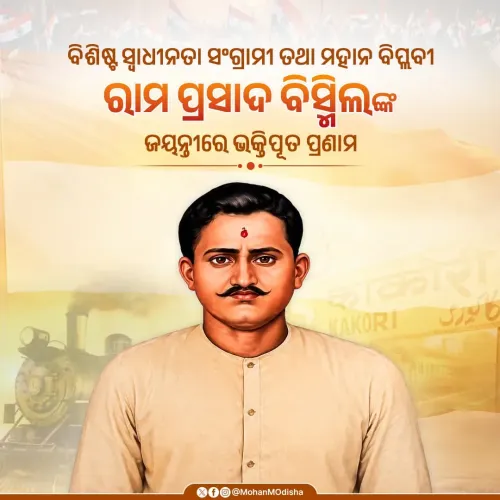
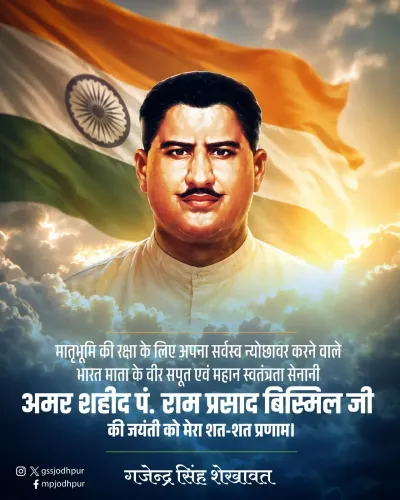
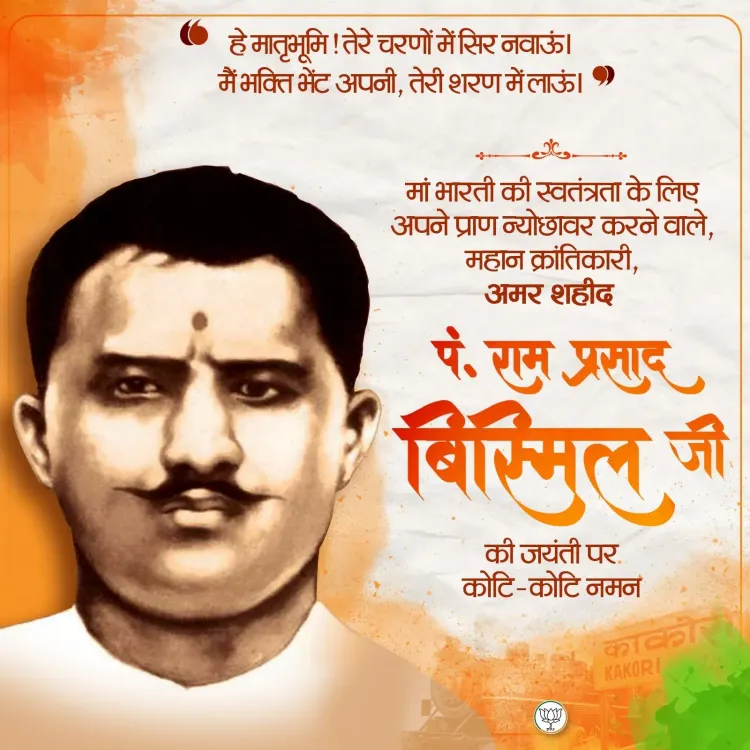
Union Ports and Shipping Minister Sarbananda Sonowal on Thursday, 11 June 2026 paid tribute to revolutionary freedom fighter Ram Prasad Bismil on the occasion of his birth anniversary, honouring his sacrifice in the struggle for India's independence.
Context
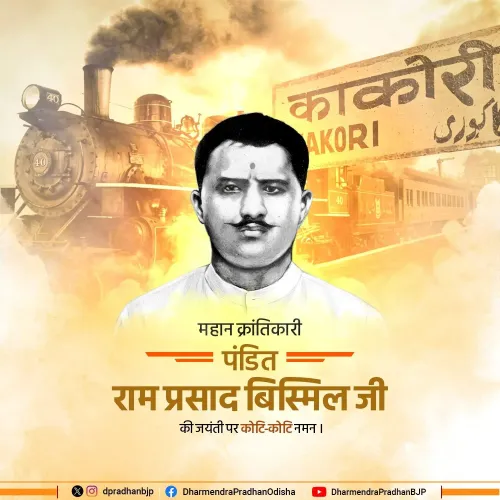
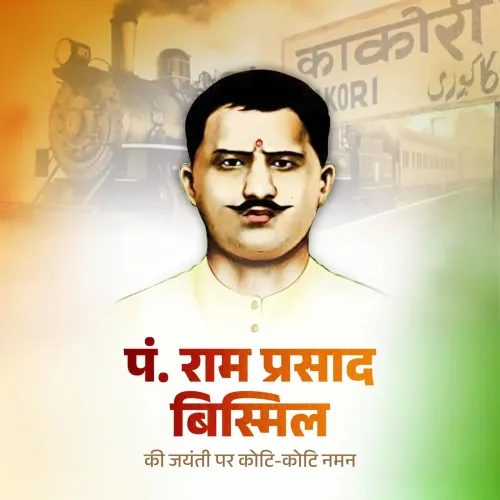
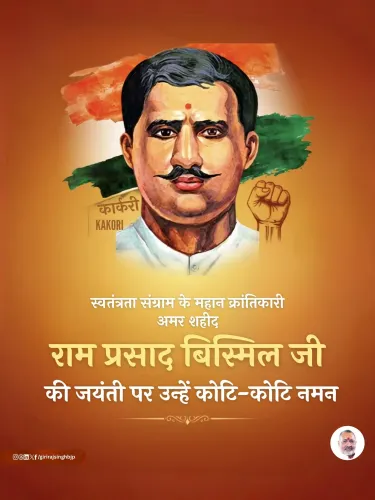
In his post, Minister Sonowal wrote in Hindi: 'मां भारती की स्वतंत्रता के लिए अपने प्राणों की आहुति देने वाले महान क्रांतिकारी, अमर शहीद पं. राम प्रसाद बिस्मिल जी की जयंती पर कोटि-कोटि नमन।' ('Countless salutations on the birth anniversary of the great revolutionary and immortal martyr Pandit Ram Prasad Bismil, who sacrificed his life for the freedom of Mother India.')
The tribute reflects the ruling establishment's continued recognition of armed-struggle figures from the independence era, particularly on their fixed calendar anniversaries.
Who Was Ram Prasad Bismil
Ram Prasad Bismil was born on 11 June 1897 in Shahjahanpur, Uttar Pradesh, and became one of the most celebrated revolutionary nationalists of early 20th-century India. He was a founding member of the Hindustan Republican Association and a central figure in the Kakori train robbery of 1925, an audacious act of armed resistance against British colonial rule.
Bismil was also a prolific poet and writer, composing under pen names including 'Bismil' and 'Ram'. His patriotic verse, including the widely recited 'Sarfaroshi ki tamanna', continues to resonate in public memory. He was executed by British authorities on 19 December 1927 at Gorakhpur Jail, aged 30.
Policy Backdrop
The Government of India has formally commemorated Bismil's legacy across multiple years, including during the Azadi Ka Amrit Mahotsav — a nationwide programme launched in 2021 to mark 75 years of independence. Events, exhibitions, and educational programmes under that initiative highlighted revolutionary figures alongside mainstream leaders of the freedom movement.
Senior ministers from the ruling party have made it a consistent practice to post Hindi-language tributes to revolutionary nationalists such as Bismil, Bhagat Singh, and Chandrashekhar Azad on their respective anniversaries. These messages form part of a broader effort to foreground the armed-resistance strand of the independence movement in public discourse.
Stakeholders and Broader Significance
Tributes of this kind resonate with a wide audience — from history students and researchers to the general public with a stake in how the independence struggle is remembered and taught. Bismil's legacy is particularly significant in Uttar Pradesh, where his birthplace Shahjahanpur and his place of execution Gorakhpur both hold memorials in his honour.
The Culture Ministry and state governments, particularly in Uttar Pradesh, have periodically announced new memorials and educational modules centred on revolutionary figures, reflecting an institutional effort to deepen public awareness of this chapter in India's history.
What's Next
Annual commemorations on 11 June are expected to continue at both the national and state level, with the possibility of new cultural or educational initiatives tied to Bismil's legacy being announced by the Culture Ministry in future years. His birth anniversary remains a significant date in the official calendar of remembrance for India's revolutionary freedom fighters.
Point of View
Which historically received less institutional prominence than the non-violent mainstream. The consistency of these tributes — spanning figures like Bismil, Bhagat Singh, and Chandrashekhar Azad — suggests a deliberate effort to broaden the symbolic tent of the freedom struggle in official public memory. Over time, such messaging has been reinforced by state-backed programmes like Azadi Ka Amrit Mahotsav, giving these social media tributes a policy dimension beyond mere ceremonial observance.
NationPress
19 Sept 2026
Frequently Asked Questions
Who was Ram Prasad Bismil and why is he remembered?
Ram Prasad Bismil was an Indian revolutionary born on 11 June 1897 who is remembered for leading the Kakori train robbery of 1925 against British colonial forces and for his patriotic poetry. He was executed by British authorities on 19 December 1927 at Gorakhpur Jail at the age of 30.
When is Ram Prasad Bismil's birth anniversary?
Ram Prasad Bismil's birth anniversary falls on 11 June every year. He was born on 11 June 1897 in Shahjahanpur, Uttar Pradesh.
What was the Kakori train robbery?
The Kakori train robbery was an armed action carried out on 9 August 1925 by members of the Hindustan Republican Association, including Ram Prasad Bismil, targeting a British government train to seize funds for the revolutionary movement.
Why did Sarbananda Sonowal pay tribute to Ram Prasad Bismil?
Union Minister Sarbananda Sonowal paid tribute to mark Bismil's birth anniversary on 11 June 2026, in keeping with a consistent practice among ruling party leaders of honouring revolutionary freedom fighters on their annual anniversaries.
What is Azadi Ka Amrit Mahotsav and how does it relate to Bismil?
Azadi Ka Amrit Mahotsav is a Government of India programme launched in 2021 to commemorate 75 years of independence. Ram Prasad Bismil's legacy was highlighted within this initiative as part of broader efforts to recognise revolutionary figures of the freedom movement.