CM Hemant Soren calls for end to child marriage in Jharkhand
Synopsis
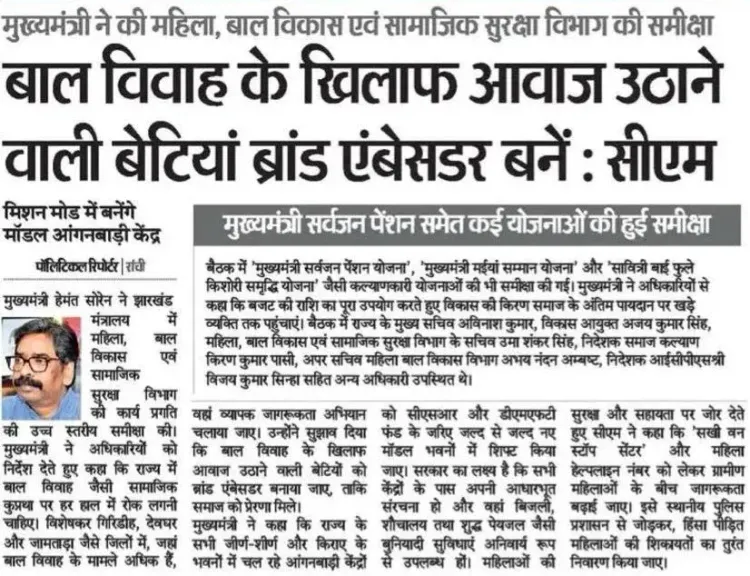
Chief Minister Hemant Soren has directed a complete crackdown on child marriage in Jharkhand, ordering targeted awareness campaigns in Giridih, Deoghar, and Jamtara — districts with higher incidence — and calling for girls who oppose child marriage to be made brand ambassadors of the movement.
Key Takeaways
CM Hemant Soren has called for a complete end to child marriage across Jharkhand , describing it as a social malpractice.
Targeted awareness campaigns are to be launched in Giridih , Deoghar , and Jamtara — districts identified for higher child marriage prevalence.
Girls who raise their voices against child marriage are to be designated brand ambassadors of the anti-child-marriage movement.
The directive aligns with India's obligations under SDG 5.3 to eliminate child marriage by 2030 .
The Prohibition of Child Marriage Act, 2006 sets the minimum marriage age at 18 for women and 21 for men nationwide.
Roll-out details, funding, and formal government orders for the brand ambassador programme are still awaited.
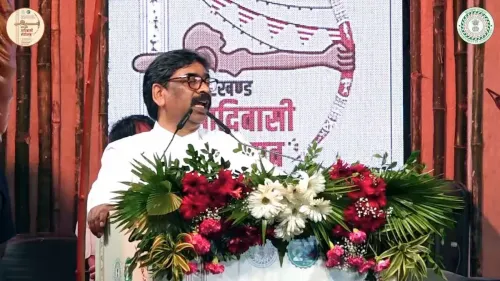
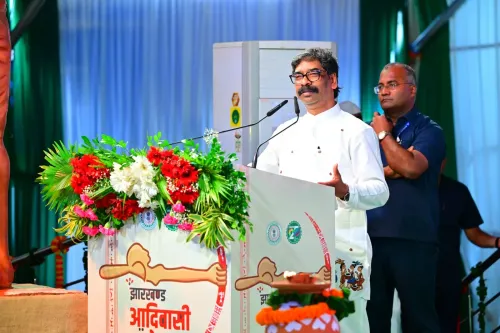
The Chief Minister's Office of Jharkhand, citing directions from Chief Minister Hemant Soren, on Wednesday, 27 May 2026, called for a complete ban on child marriage across the state and ordered wide-ranging awareness campaigns in high-incidence districts, particularly Giridih, Deoghar, and Jamtara.
Context
The official post quoted CM Soren directly: 'राज्य में बाल विवाह जैसी सामाजिक कुप्रथा पर हर रोक लगनी चाहिए' ('Every check must be placed on social malpractices such as child marriage in the state'). He specifically named Giridih, Deoghar, and Jamtara as districts where child marriage cases are more prevalent and directed that comprehensive awareness campaigns be launched there. He also called for girls who speak out against child marriage to be made brand ambassadors of the movement.
Policy Backdrop
Child marriage in India is governed by the Prohibition of Child Marriage Act, 2006, which sets the minimum legal age of marriage at 18 years for women and 21 years for men. The central government's Beti Bachao Beti Padhao scheme, launched in 2015, included community mobilisation and education components specifically targeting high-burden districts across the country. Jharkhand has periodically updated its state action plans on ending child marriage in coordination with UNICEF and central ministries since 2015.
India has committed under Sustainable Development Goal 5.3 to eliminate child marriage by 2030. Multiple states with large tribal and rural populations — including Bihar, Rajasthan, and West Bengal — have adopted geographically targeted approaches similar to what CM Soren has now directed for Jharkhand's three named districts.
Stakeholders and Impact
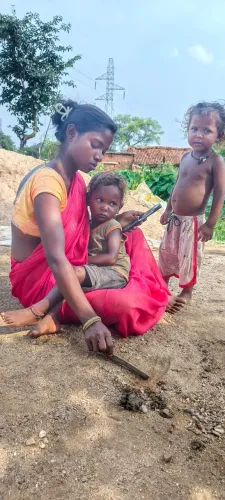
The directive most directly affects adolescent girls in rural and tribal belts of Giridih, Deoghar, and Jamtara, where district administrations will be expected to design and execute the awareness drives. Rural families, local elected bodies, and civil society organisations operating in these districts will be key partners in implementation. The proposal to designate girls who speak out against child marriage as brand ambassadors introduces a peer-led advocacy model that can lend credibility and reach to grassroots campaigns.
District administrations will bear the primary responsibility of translating the directive into on-ground action, including identifying and formally recognising girl brand ambassadors and coordinating with schools, anganwadi centres, and self-help groups.
What's Next
The key details still awaited are the roll-out timelines, funding allocations, and the formal notification or government order that would operationalise the brand ambassador programme. Whether the campaign will be extended beyond the three named districts to other parts of Jharkhand also remains to be seen. If implemented robustly, the district-specific model could serve as a template for other high-incidence regions in the state and inform Jharkhand's broader commitments under national and international child protection frameworks.
Point of View
If formalised, could be a meaningful addition to India's broader SDG 5.3 toolkit. The real test, however, will be whether the directive translates into funded, time-bound government orders or remains an aspirational statement.
NationPress
19 Sept 2026
Frequently Asked Questions
What did CM Hemant Soren say about child marriage in Jharkhand?
CM Hemant Soren directed that child marriage must be completely stopped across Jharkhand, with comprehensive awareness campaigns launched specifically in Giridih, Deoghar, and Jamtara. He also called for girls who speak out against child marriage to be made brand ambassadors.
Which districts in Jharkhand have the highest child marriage cases?
According to the Chief Minister's Office, Giridih, Deoghar, and Jamtara are among the districts in Jharkhand where child marriage cases are more prevalent, making them the focus of the newly directed awareness campaigns.
What is the legal age of marriage in India?
Under the Prohibition of Child Marriage Act, 2006, the minimum legal age of marriage in India is 18 years for women and 21 years for men.
What is the brand ambassador idea for child marriage in Jharkhand?
CM Soren has proposed that girls who raise their voices against child marriage be formally designated as brand ambassadors, creating a peer-led advocacy model to strengthen grassroots awareness campaigns.
How does Jharkhand's child marriage drive connect to national schemes?
The drive aligns with the central government's Beti Bachao Beti Padhao scheme launched in 2015 and India's commitment under Sustainable Development Goal 5.3 to eliminate child marriage by 2030. Jharkhand has also periodically updated its state action plans in coordination with UNICEF.