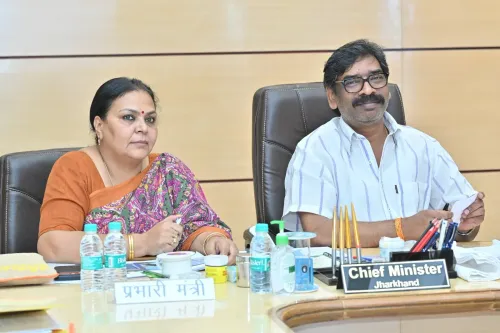
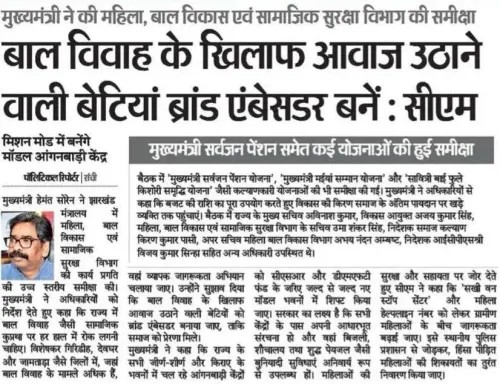
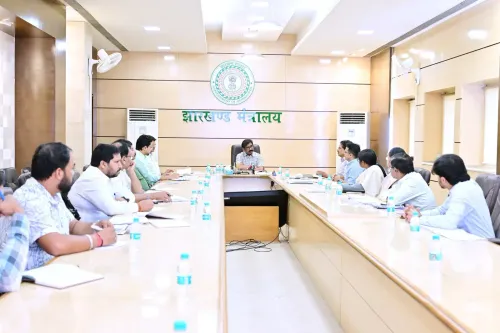
CM Hemant Soren Issues 5-Point Rural Governance Directive
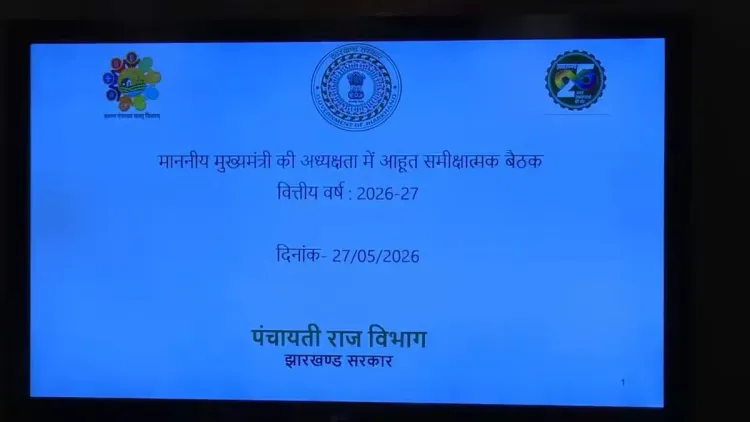
Synopsis
Chief Minister Hemant Soren has issued a five-point governance directive for Jharkhand's panchayats, covering accelerated pucca housing, faster rural roads, new women's self-help groups, digital service delivery, and campaigns against child marriage and gender-based violence.
Key Takeaways
CM Hemant Soren issued a five-point directive on 27 May 2026 via the official Jharkhand CMO handle.
Eligible homeless beneficiaries are to receive pucca houses on a priority basis under the state's housing programme.
Rural road construction is to be accelerated, aligning with the state's PMGSY-linked programme.
New Sakhi Mandals (women's self-help groups) are to be formed to expand livelihood access for rural women.
Digital services are to be implemented at the panchayat level to improve last-mile governance.
Panchayats are directed to run awareness campaigns against child marriage and violence against women.
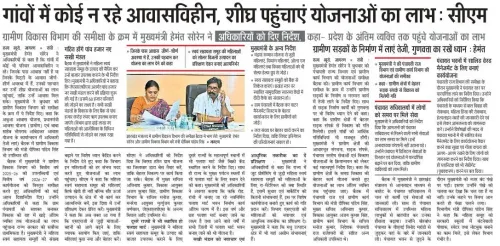
The Chief Minister's Office of Jharkhand on Wednesday, 27 May 2026 shared a five-point directive from Chief Minister Hemant Soren, instructing state and panchayat-level officials to accelerate housing delivery, rural road construction, women's livelihood programmes, digital services, and awareness drives against child marriage and gender-based violence.
Context
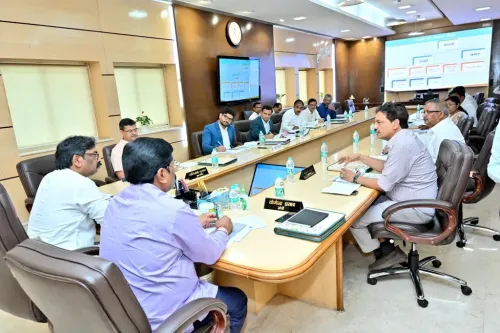
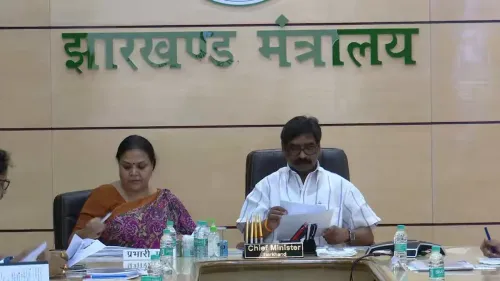
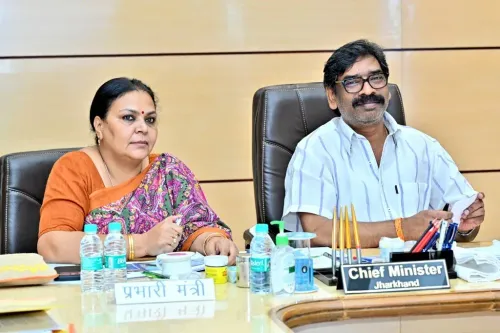
The directive, posted in Hindi on the official CMO handle, lists five specific instructions attributed to Shri Hemant Soren. Translated, these are: ensure eligible homeless beneficiaries receive pucca houses at the earliest; speed up rural road construction; form new Sakhi Mandals to connect women with livelihoods; implement digital services in panchayats; and run awareness campaigns in panchayats against child marriage and violence against women. The post was accompanied by five videos, indicating field-level activity or official briefings tied to the directives.
Policy Backdrop
The housing directive aligns with the Pradhan Mantri Awaas Yojana-Gramin (PMAY-G) framework, under which Jharkhand has been sanctioning pucca houses to rural beneficiaries since 2016. Periodic state-level reviews have been a recurring feature of the Soren government's approach to tracking last-mile delivery of this scheme. On rural roads, Jharkhand's state programme has run in parallel with PMGSY expansions referenced in multiple state budgets from 2020 onwards, with the government repeatedly flagging the need for faster execution in remote and tribal areas.
The push for Sakhi Mandals — women's self-help groups promoted under the Jharkhand State Livelihood Promotion Society — continues an initiative that dates to 2011. The Soren administration has consistently positioned these groups as the primary vehicle for rural women's financial inclusion. The instruction to digitise panchayat services reflects a broader national push to bring e-governance to the grassroots, with Jharkhand seeking to integrate service delivery platforms at the gram panchayat level.
Stakeholders and Impact
The directives directly affect rural homeless families awaiting housing sanctions, women in villages seeking livelihood support through self-help groups, and panchayati raj institutions tasked with executing both infrastructure and social-welfare mandates. The instruction on child marriage and gender-based violence places an advocacy burden on elected panchayat bodies, asking them to run community awareness campaigns — a role that goes beyond their conventional administrative functions.
For women in rural Jharkhand, the twin thrust of new Sakhi Mandal formation and awareness campaigns signals an attempt to address both economic vulnerability and social safety simultaneously at the village level. Digital service delivery, if implemented, could reduce the need for beneficiaries to travel to block or district offices for scheme-related documentation.
What's Next
The Rural Development Department of Jharkhand is expected to generate district-level progress reports on housing sanctions and road tenders in subsequent quarterly reviews. The formation of new Sakhi Mandals and the rollout of digital panchayat services will likely serve as measurable indicators in these reviews. Sustained follow-through on the child marriage awareness mandate will depend on the capacity and political will of individual panchayat bodies across the state's 24 districts.
Point of View
Roads, women's livelihood, digital governance, and anti-child-marriage campaigns into a single instruction set, the CMO is signalling a convergence approach rather than siloed scheme execution. The emphasis on Sakhi Mandals and gender-based violence awareness reflects an attempt to address structural vulnerabilities facing women in tribal and rural Jharkhand simultaneously on economic and social fronts. The directive's real test will be in district-level compliance and whether quarterly reviews translate these instructions into measurable outcomes on the ground.
NationPress
11 Oct 2026
Frequently Asked Questions
What did CM Hemant Soren direct in his latest order for Jharkhand?
CM Hemant Soren directed officials to expedite pucca housing for eligible homeless beneficiaries, speed up rural road construction, form new Sakhi Mandals for women's livelihoods, implement digital services in panchayats, and run awareness campaigns against child marriage and gender-based violence.
What is a Sakhi Mandal in Jharkhand?
A Sakhi Mandal is a women's self-help group promoted by the Jharkhand government, primarily through the Jharkhand State Livelihood Promotion Society, to provide rural women with financial inclusion and livelihood opportunities. The initiative has been running since 2011.
How is Jharkhand implementing pucca housing for rural beneficiaries?
Jharkhand has been implementing pucca housing under the Pradhan Mantri Awaas Yojana-Gramin framework since 2016, with the state government conducting periodic reviews to track delivery to eligible homeless families in rural areas.
What role do panchayats play in Jharkhand's rural development?
Panchayati raj institutions in Jharkhand are the primary bodies responsible for implementing welfare schemes on housing, roads, and social awareness, and the Soren government has consistently directed them to accelerate last-mile delivery of both infrastructure and social programmes.
What is Jharkhand's approach to combating child marriage?
The Jharkhand government has directed panchayats to run community-level awareness campaigns against child marriage and violence against women, placing the advocacy responsibility on elected local bodies across the state's villages.