What Caused the Minimum Temperature to Plummet to Minus 2.4 in J&K’s Srinagar?
Synopsis
As the Kashmir Valley continues to experience an intense cold wave, Srinagar has recorded a minimum temperature of minus 2.4 degrees Celsius. Learn how this harsh weather is affecting health and daily life, and discover the traditional ways locals are coping with the extreme chill.
Key Takeaways
The minimum temperature in Srinagar has dropped to minus 2.4 degrees Celsius .
Health officials warn of increased flu cases due to the cold wave.
Residents utilize traditional practices to combat the cold.
A weak western disturbance may bring light snowfall.
The Chillai Kalan winter period begins on December 21.
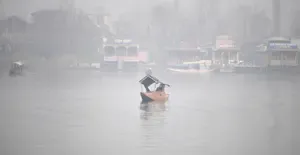
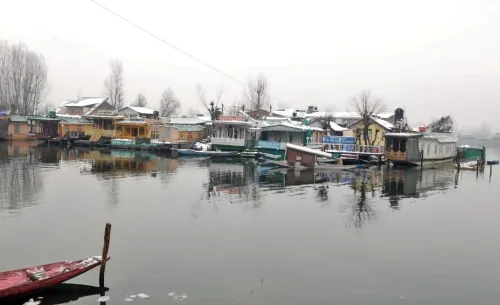
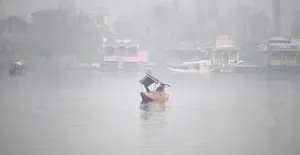
Srinagar, Dec 8 (NationPress) A severe cold wave persists across the Kashmir Valley as the minimum temperature in Srinagar city has dropped to minus 2.4 degrees Celsius, with no immediate respite from the intense chill.
This harsh dry cold wave has led to a spike in flu and cold-related ailments, prompting health professionals to advise against exposure to the severe weather conditions.
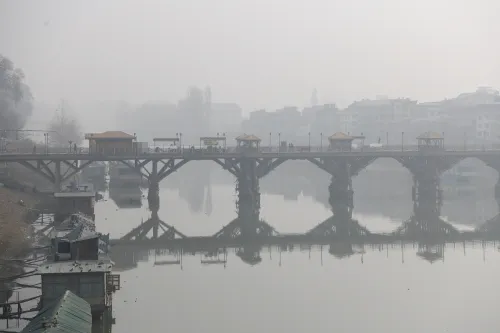
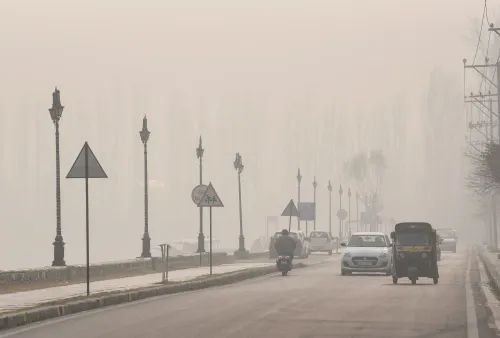
“The air quality index (AQI) has deteriorated due to the absence of precipitation and the continuous increase in suspended particulate matter (SPM) in the atmosphere,” stated a senior health official.
“It is vital to protect vulnerable groups, particularly the elderly and children, from the harsh cold outside. The number of patients presenting with flu and other respiratory issues linked to the dry cold has more than doubled in the past week,” remarked Dr. Naveed Nazir Shah, a senior pulmonologist.
On Monday, temperatures in other regions of the Valley also remained significantly below freezing.
According to officials from the Meteorological (MeT) Department, the minimum temperature in Srinagar was minus 2.4 degrees Celsius, while it was minus 0.4 in Pahalgam and minus 2.5 in Gulmarg.
In Jammu city, temperatures were recorded at 7.9, Katra town at 9.6, Batote at 5.8, Banihal at 4.5, and Bhaderwah at 2.6 degrees.
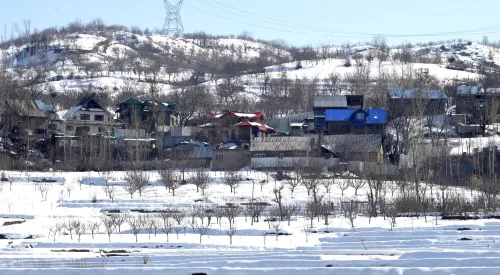
“Aside from a weak western disturbance (WD) bringing light snowfall in elevated areas, significant weather changes in J&K are unlikely until December 15,” added the MeT department officials.
Given the current weather trends, further drops in minimum temperature are predicted in the upcoming days, according to the MeT department.
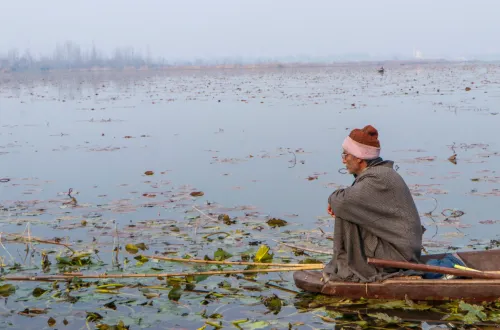
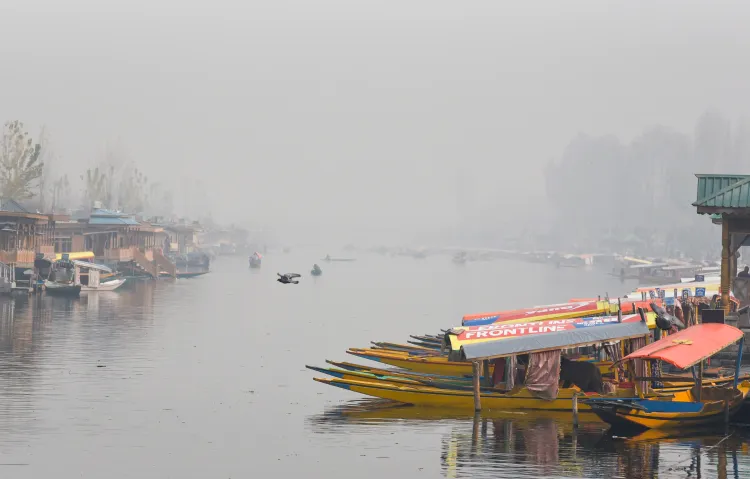
In Srinagar city, the sun struggled against the cold. Despite clear skies in the morning, sunlight offered minimal relief to residents facing the biting chill.
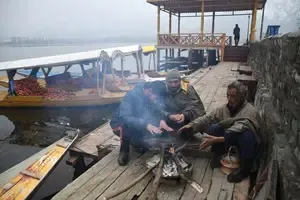
Except for those heading to work, most individuals on the streets are seen donning the traditional tweed garment known as the ‘Pheran’. In rural areas, it’s common to see people using an earthen firepot, called the ‘Kangri’, woven in a willow basket, filled with live coals to keep warm.
Both urban and rural populations utilize leaves from the ‘Chinar’ trees for charcoal during winter. Although wealthier Kashmiris may rely on modern heating systems, for many locals, the Pheran and Kangri remain the most effective means of staying warm during winter.
The harsh 40-day winter period known as ‘Chillai Kalan’ begins on December 21 and concludes on January 30 each year.
During this time, water bodies in the Valley freeze, and individuals often struggle with frozen water taps in the mornings.
The temperature gap between highs and lows narrows significantly during Chillai Kalan, with night temperatures dropping between minus 5 to minus 7 degrees and daytime temperatures rarely reaching around 10 degrees.
Point of View
It is imperative to highlight the ongoing weather challenges faced by the residents of Kashmir. The local population's resilience in combating the harsh winter with traditional practices deserves recognition. This situation not only raises health concerns but also draws attention to the need for adequate support and resources during extreme weather events.
NationPress
30 Sept 2026
Frequently Asked Questions
What is the current temperature in Srinagar?
The current minimum temperature in Srinagar is minus 2.4 degrees Celsius .
How is the cold wave affecting health in Kashmir?
The cold wave has led to increased cases of flu and chest-related ailments, prompting health advisories.
What traditional methods do locals use to stay warm?
Locals often wear the traditional Pheran and use a Kangri, an earthen firepot, for warmth.
When does the Chillai Kalan period start?
The Chillai Kalan period begins on December 21 and lasts until January 30.
What are the expected weather changes in J&K?
There is little possibility of significant weather activity until December 15, except for minor snowfall in higher areas.