What Did Stalin Reveal About Union–State Relations?
Synopsis
On February 18, Tamil Nadu's Chief Minister M.K. Stalin presented a pivotal report advocating for state autonomy during an assembly session. This move seeks to redefine the relationship between the Centre and states, addressing long-standing federal concerns and urging bipartisan support for a stronger federal structure.
Key Takeaways
Increased State Autonomy: Emphasis on empowering states with more rights.
Constitutional Amendments: A call for constitutional changes to support state governments.
Federal Structure: The need for a stronger federal framework is highlighted.
Fiscal Concerns: Issues regarding financial allocations to states are raised.
Bipartisan Support: A plea for all political parties to support state autonomy.
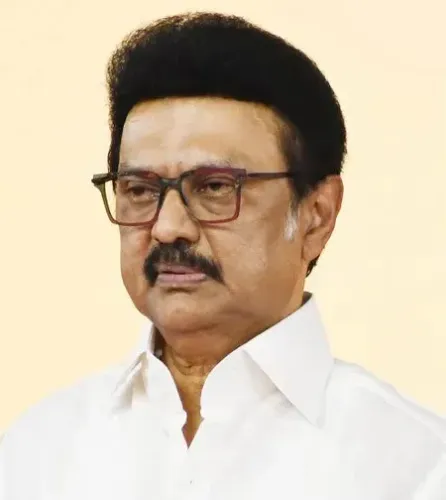
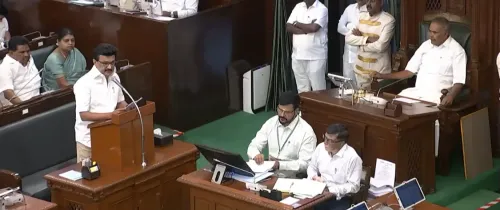
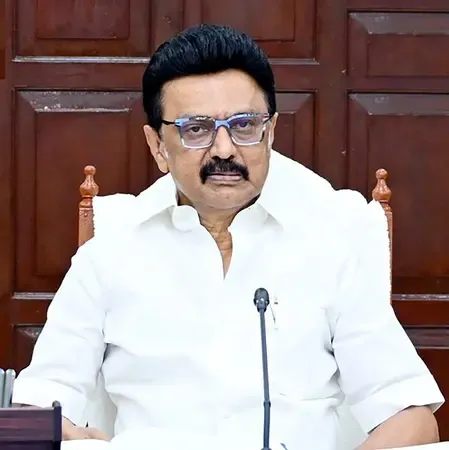
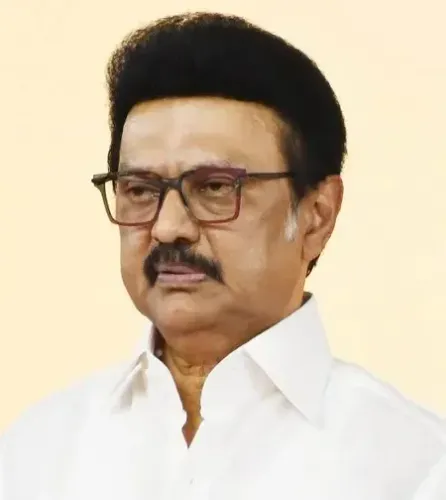
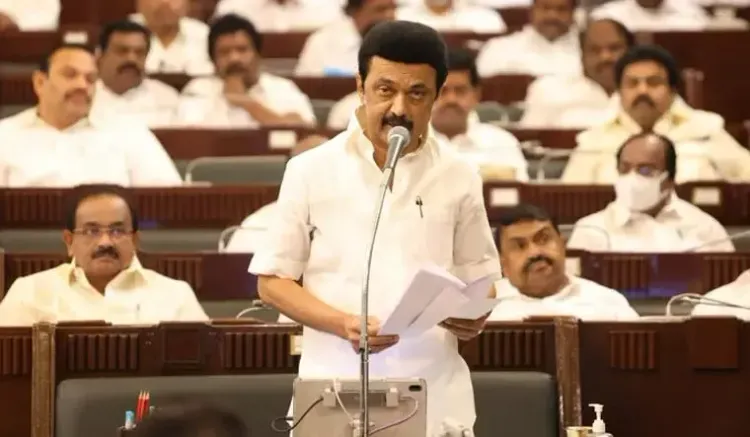
Chennai, Feb 18 (NationPress) Tamil Nadu Chief Minister M.K. Stalin presented Part I of the report from the High-Level Committee on Union–State Relations during the state Assembly session on Wednesday. This action reiterates the DMK government’s enduring request for increased state autonomy and a more robust federal framework.
Chaired by retired Supreme Court Justice Kurian Joseph, the committee included former bureaucrats K. Ashok Vardhan Shetty and M. Naganathan as members. They delivered their report to the Chief Minister on Monday.
In his address to the House, Stalin characterized this event as a crucial juncture in reshaping Centre–State relations.
"Today marks our commitment to amending the Constitution to empower state governments with all essential authorities. If we do not take this step, who will?" he declared, prompting enthusiastic applause from DMK members and their allies.
The Chief Minister criticized the Union government for centralizing power and acting in an autocratic manner without considering the states.
"The Union retains all authority, compelling states to rely on it for everything. How much longer can we endure this?" he questioned, emphasizing that the committee’s findings aim to provide a structured remedy to this ongoing imbalance.
In a decisive statement, Stalin remarked: "In simple terms, we have now bell the cat", indicating this initiative as a courageous attempt to confront longstanding federal issues.
He further asserted that many subjects, originally under the State List, are being transferred to the Concurrent List by the BJP-led Union government, thus undermining the constitutional rights of states.
"States are losing their rights one by one, and we find ourselves fighting even for the basic rights of our citizens," he stated.
The Chief Minister raised alarms regarding fiscal devolution, claiming that economically advanced states are receiving diminished shares of central funds, despite their substantial contributions to national income. Stalin called for cross-party support, urging political entities nationwide to embrace state autonomy as a fundamental principle, ensuring that all languages, cultures, and communities can flourish with dignity and equal rights within a genuinely federal system.
Point of View
The ongoing discussions around Union-State relations highlight a crucial juncture in India's constitutional governance. The push for greater state autonomy reflects the aspirations of regional governments and aims to foster a more equitable federal structure. It is essential to balance power dynamics to ensure every state's rights are respected while maintaining national unity.
NationPress
1 Oct 2026
Frequently Asked Questions
What is the significance of the report presented by M.K. Stalin?
The report emphasizes the need for enhanced state autonomy and aims to reshape the relationship between the Union and states, advocating for a stronger federal structure.
Who chaired the High-Level Committee on Union–State Relations?
The committee was chaired by retired Supreme Court Justice Kurian Joseph, with other notable bureaucrats as members.
What concerns did Stalin raise regarding fiscal devolution?
Stalin claimed that economically developed states are receiving reduced shares of central funds, despite their significant contributions to national revenue.