Why Should Kite Fliers Avoid Power Transmission Lines?
Synopsis
As Makar Sankranti approaches, kite enthusiasts in Mumbai are urged to prioritize safety by steering clear of power transmission lines. Adani Electricity emphasizes the potential hazards of kite flying in these areas, aiming to ensure a joyous and accident-free celebration.
Key Takeaways
Avoid kite flying near power lines to ensure safety.
The string used in kites can conduct electricity.
Report any unsafe incidents to Adani Electricity immediately.
Makar Sankranti is a time for celebration, but safety should come first.
Use underground kite strings to minimize risks.
Mumbai, Jan 14 (NationPress) Adani Electricity has issued a warning to kite enthusiasts in Mumbai, urging them to refrain from flying kites near power transmission lines. Engaging in kite flying close to these lines poses significant dangers and could potentially result in power outages.
In a statement, the company extended its wishes for good health and joy during the festive occasion of Makar Sankranti, highlighting that this advisory is aimed at ensuring a safe celebration.
“Although Adani Electricity employs an underground distribution system to provide reliable electricity to its 31.5 lakh customers, there are still overhead transmission lines that deliver power from outside Mumbai. Thus, we advise kite fliers to steer clear of these lines,” the company remarked.
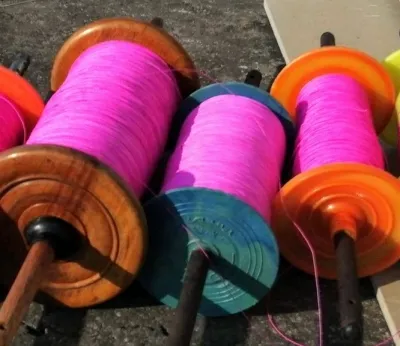
The kite string, commonly referred to as ‘Manja’, is an effective conductor of electricity and can carry extremely high voltage if it comes into contact with live overhead wires or even enters their vicinity.
“Adani Electricity urges consumers and residents in these areas to report any incidents arising from unsafe kite flying near power transmission lines immediately through AEML’s dedicated Power Help Line 19122. This will enable the utility to take necessary actions promptly,” the statement added.
“Alternatively, they can connect with us via our social media channels @Adani_Elec_Mum or browse our website or Adani Electricity App,” it continued.
Makar Sankranti is a harvest festival that highlights India's rich cultural heritage. This festival marks the transition of the Sun into the zodiac sign of Capricorn (Makar) and is celebrated as a mid-winter harvest festival deeply rooted in agricultural traditions, signaling seasonal change.
Point of View
The emphasis on safety during festive celebrations reflects a conscientious approach to public welfare. Adani Electricity's proactive stance in addressing potential hazards demonstrates their commitment to community safety while supporting cultural practices. It’s essential to strike a balance between tradition and safety.
NationPress
10 Oct 2026
Frequently Asked Questions
Why is it dangerous to fly kites near power lines?
Flying kites near power lines is dangerous because the kite string can conduct electricity, leading to severe electrical hazards and potential power outages.
What should I do if I see someone flying kites near power lines?
If you observe unsafe kite flying near power lines, please report it immediately to Adani Electricity's Power Help Line at 19122.
How can I ensure a safe kite flying experience?
To ensure a safe kite flying experience, always fly kites away from power transmission lines and use materials that do not conduct electricity.
What is Makar Sankranti?
Makar Sankranti is a harvest festival in India that marks the sun's transition into Capricorn and is celebrated with various cultural practices, including kite flying.
How can I contact Adani Electricity for assistance?
You can reach out to Adani Electricity through their social media handles @Adani_Elec_Mum, visit their website, or use the Adani Electricity App.