CM Sukhu flags off 4 electric garbage trucks for Hamirpur
Synopsis
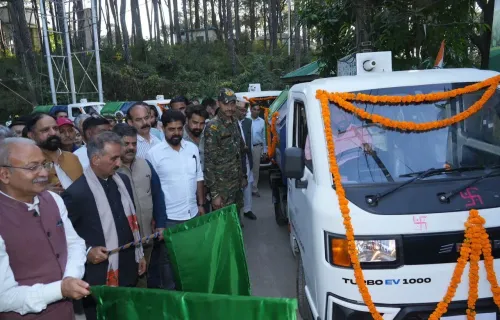
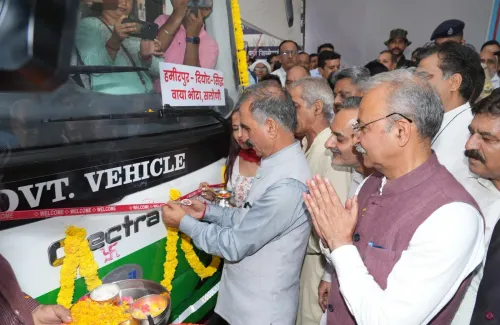
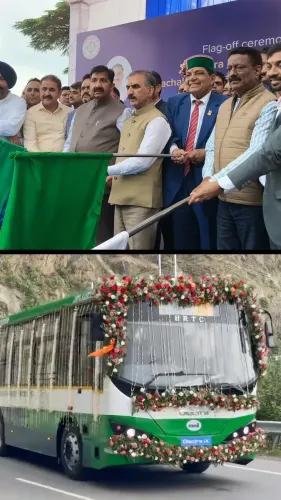
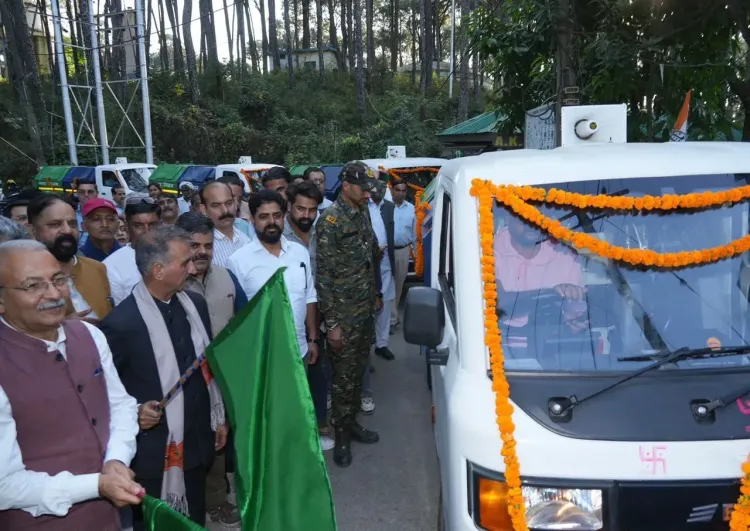
Himachal Pradesh CM Sukhvinder Singh Sukhu flagged off four electric waste-collection vehicles for Nagar Nigam Hamirpur on October 27, underscoring the state's push to integrate EVs into municipal services, cut urban pollution, and improve conditions for sanitation workers.
Key Takeaways
Four electric waste-collection vehicles were flagged off by CM Sukhvinder Singh Sukhu for Nagar Nigam Hamirpur on October 27, 2026 .
The EV fleet is expected to make garbage collection more efficient while reducing noise and air pollution in Hamirpur town.
CM Sukhu explicitly cited improved working conditions for sanitation workers as a core priority of the initiative.
The move aligns with India's National Clean Air Programme (2019) and draws on policy frameworks from the Swachh Bharat Mission (2014) and FAME scheme (2015) .
Deployment in a smaller municipal body like Hamirpur signals an attempt to extend Himachal Pradesh's green agenda beyond major towns.
Hamirpur just got a cleaner, quieter upgrade. Himachal Pradesh Chief Minister Sukhvinder Singh Sukhu on Tuesday, October 27, 2026, flagged off four electric waste-collection vehicles for Nagar Nigam Hamirpur, marking the municipal corporation's first step into zero-emission garbage collection.
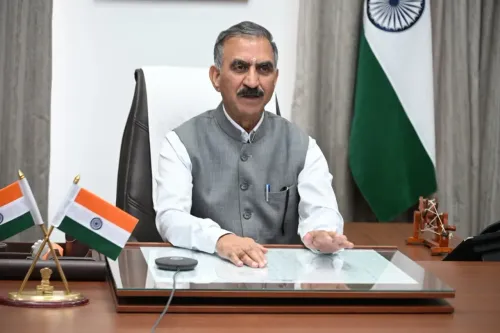
Posting on X, CM Sukhu said the new fleet would make waste collection 'more effective' across the town, while the shift to electric vehicles would cut both noise and air pollution. 'स्वच्छता कर्मियों को बेहतर कार्य सुविधाएं उपलब्ध करवाना और लोगों को स्वच्छ एवं स्वस्थ वातावरण प्रदान करना हमारी प्राथमिकता है' — 'Providing better working facilities to sanitation workers and a clean, healthy environment to citizens is our priority,' he wrote.
Hamirpur's EV fleet and what it means for sanitation workers
The four vehicles replace conventional fuel-run collection trucks in Hamirpur, a hill town in the lower reaches of Himachal Pradesh. For the sanitation workers who ride these vehicles through narrow municipal lanes every morning, the switch means less engine noise, no exhaust fumes in an enclosed cab, and — in principle — lower mechanical breakdowns. Sukhu's explicit mention of 'better working facilities' for sanitation staff signals that worker welfare, not just optics, is framed as part of the upgrade's pitch.
Electric garbage trucks have been piloted in larger Indian cities over the past few years, but deployment in a smaller municipal body like Hamirpur is comparatively rare. The move follows the logic of India's National Clean Air Programme (2019), which pushed states to cut particulate pollution in non-metro towns — precisely the tier where diesel municipal fleets have historically gone unexamined.
Where this fits: FAME, Swachh Bharat, and Himachal's green ambitions
The policy scaffolding behind the purchase stretches back more than a decade. The Swachh Bharat Mission, launched in 2014, reshaped how urban local bodies think about solid-waste logistics and created funding channels for fleet upgrades. The FAME (Faster Adoption and Manufacturing of Electric Vehicles) scheme, introduced in 2015, extended that incentive architecture specifically to electric mobility in public services — making it financially viable for a municipal corporation the size of Hamirpur to absorb the higher upfront cost of EVs.
CM Sukhu, who took office in December 2022, has positioned green infrastructure as a thread running through Himachal's development narrative. Deploying electric vehicles in a district-level town rather than just the state capital Shimla suggests the administration is attempting to distribute the sustainability agenda beyond headline projects.
Eyes on the next municipal body
The immediate question is whether Nagar Nigam Hamirpur is a pilot or a template. Himachal Pradesh has several other municipal bodies — from Dharamsala to Mandi — that run ageing diesel fleets. A successful rollout in Hamirpur, backed by measurable data on collection efficiency and worker absenteeism, could become the evidence base for a state-wide EV municipal fleet programme.
Four trucks in one town won't clean the air on their own. But every large transition in public infrastructure begins exactly like this — with a chief minister, a flagging-off ceremony, and a bet that the smaller towns are worth the investment too.
Point of View
Which is the more visible political stage. Deploying electric waste vehicles in a smaller municipal body also signals an intent to make sustainability spending electorally legible to voters outside the urban elite. The explicit framing around sanitation-worker welfare adds a social-equity layer that sits alongside the environmental pitch, broadening the coalition of beneficiaries the administration can point to. Watch whether Hamirpur's rollout generates the kind of performance data that could justify a state-wide EV municipal fleet push in the next Himachal budget cycle.
NationPress
27 Oct 2026
Frequently Asked Questions
How many electric garbage vehicles were flagged off in Hamirpur?
Four electric waste-collection vehicles were flagged off by Himachal Pradesh Chief Minister Sukhvinder Singh Sukhu for Nagar Nigam Hamirpur on October 27, 2026.
What is Nagar Nigam Hamirpur?
Nagar Nigam Hamirpur is the municipal corporation responsible for civic administration and solid waste management in Hamirpur town, Himachal Pradesh.
Why is Himachal Pradesh using electric vehicles for garbage collection?
Electric vehicles produce no direct exhaust emissions and less noise than diesel trucks, helping reduce urban air and noise pollution. The initiative also aligns with India's National Clean Air Programme and the FAME scheme for promoting electric mobility in public services.
What is the Swachh Bharat Mission and how does it relate to this?
The Swachh Bharat Mission, launched in 2014, aims to improve urban sanitation and solid-waste management across Indian cities and created funding channels for municipal fleet upgrades that support initiatives like the Hamirpur EV rollout.
When did CM Sukhvinder Singh Sukhu become Chief Minister of Himachal Pradesh?
Sukhvinder Singh Sukhu assumed office as Chief Minister of Himachal Pradesh in December 2022, representing the Indian National Congress.