Himachal CM Sukhu launches 'Pangi Apple' brand from natural farming

Synopsis
Apples from Pangi Valley were sold for years under someone else's name — branded as Kullu or Kinnaur produce. Himachal CM Sukhu has now corrected that, launching a dedicated 'Pangi Apple' brand from India's newest natural farming subdivision, with subsidised cartons and a plan to lift 6,300 farming households in one of the state's most isolated — and coldest — valleys.
Key Takeaways
Chief Minister Sukhvinder Singh Sukhu launched the 'Pangi Apple' brand on 24 October 2026 in Chamba district, Himachal Pradesh .
Pangi subdivision has been declared the state's first Natural Farming Sub-Division .
Apple cultivation covers approximately 370 hectares with over 1,04,000 plants ; expected output this season is around 35,000 boxes (550 metric tons) .
Customised 'Pangi Apple' cartons in 20 kg and 10 kg sizes are being provided to farmers at a 50 per cent subsidy .
The initiative is expected to benefit approximately 6,300 farming households in this remote tribal region.
Previously, Pangi apples were marketed outside the valley under 'Kullu' or 'Kinnaur' branding, erasing local identity.
Himachal Pradesh Chief Minister Sukhvinder Singh Sukhu on Saturday, 24 October 2026, formally launched the 'Pangi Apple' brand — a dedicated identity for apples cultivated through natural farming in the remote Pangi Valley of Chamba district. The launch marks a significant step in the state government's push to establish Pangi as Himachal Pradesh's first chemical-free subdivision.
What the Launch Covers
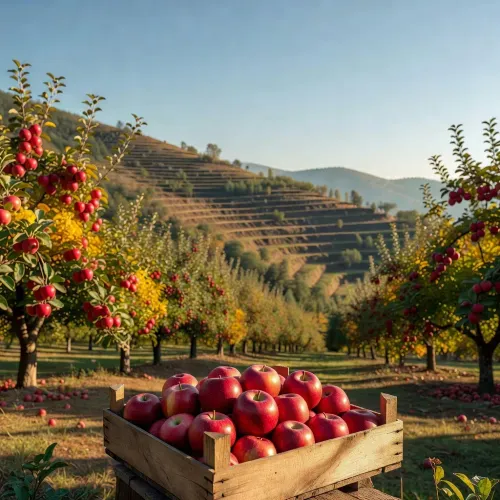
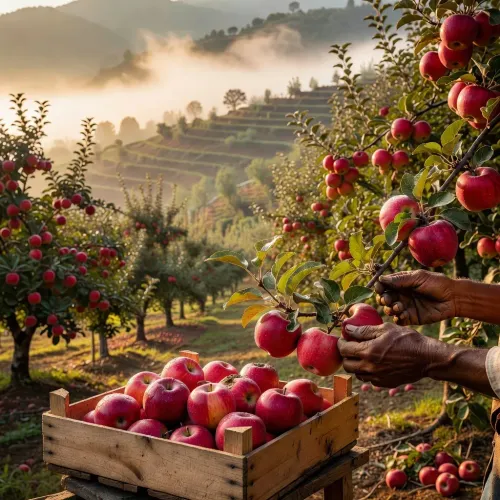
Pangi subdivision currently has approximately 370 hectares under apple cultivation, with more than 1,04,000 apple plants and an expected seasonal output of around 35,000 boxes — roughly 550 metric tons. To give the produce a distinct market identity, customised 'Pangi Apple' cartons in 20 kg and 10 kg capacities have been introduced and are being offered to farmers at a 50 per cent subsidy.
Until now, apples from Pangi were routinely packed and sold outside the valley under the labels of 'Kullu Apples' or 'Kinnaur Apples', depriving local growers of the geographic recognition — and premium — their produce could command independently.
Natural Farming at the Core
Chief Minister Sukhu said the state government is promoting natural farming vigorously across Himachal Pradesh, and the Pangi initiative is central to that vision. The subdivision's declaration as the state's first Natural Farming Sub-Division is intended to strengthen the local economy and lift this remote tribal region in line with better-connected parts of the state. The initiative is expected to benefit approximately 6,300 farming households, promoting local entrepreneurship and expanding economic opportunity.
Pangi's Geography and Historical Isolation
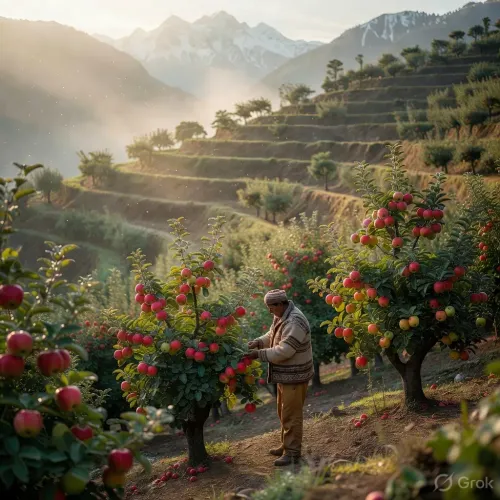
The Pangi Valley, which borders Jammu and Kashmir, was once colloquially called the 'Kaala Pani' of Himachal Pradesh — a reference to its fearsome isolation. Government postings here were reportedly avoided by officers due to treacherous roads and inaccessible hamlets. The valley remains cut off from the outside world for more than six months a year owing to heavy snowfall, and temperatures plunge below minus 20 degrees Celsius in winter. Health workers, according to officials, must trek two to three days on foot from the nearest roadhead to reach the remotest villages for vaccination drives.
The valley is populated largely by Gaddis, a pastoral community that traditionally cultivates barley, potatoes, and peas, alongside off-season vegetables and exotic flowers. Apple farming represents a new and potentially transformative economic layer for these communities.
What This Means for Farmers and the Region
The branded carton scheme, combined with the natural farming mandate, positions Pangi apples as a premium, traceable product at a time when health-conscious consumers and export markets are increasingly seeking chemical-free fruit. Notably, this comes amid a broader global uptick in demand for naturally grown produce — a tailwind Himachal Pradesh could leverage if supply chains to urban markets are strengthened. The state government has indicated the Pangi model could serve as a template for other remote tribal subdivisions across the state.
With branding infrastructure now in place, the next challenge will be ensuring consistent logistics from a valley that remains seasonally cut off — a test of whether policy intent can translate into year-round market access for 6,300 farming families.
Point of View
If independently verified, could command meaningful price premiums in urban and export markets; without that verification layer, it risks becoming a label rather than a guarantee. Whether the Pangi model scales to other tribal subdivisions depends entirely on whether the state pairs branding with investment in road connectivity and post-harvest infrastructure.
NationPress
24 Oct 2026
Frequently Asked Questions
What is the 'Pangi Apple' brand launched by Himachal CM Sukhu?
The 'Pangi Apple' brand is a dedicated geographic identity launched on 24 October 2026 for apples grown through natural farming in Pangi Valley, Chamba district. It comes with subsidised branded cartons in 20 kg and 10 kg sizes and is aimed at ending the practice of Pangi apples being sold under the 'Kullu' or 'Kinnaur' labels.
Why was a separate brand needed for Pangi apples?
Apples from Pangi were previously packed and marketed outside the valley under the 'Kullu Apples' or 'Kinnaur Apples' labels, meaning Pangi farmers received no geographic recognition or associated price premium. The new brand is intended to establish a distinct market identity for the region's produce.
What is Himachal Pradesh's first Natural Farming Sub-Division?
Pangi subdivision in Chamba district has been declared Himachal Pradesh's first Natural Farming Sub-Division as part of the state government's push to develop a chemical-free agricultural model. The designation is meant to strengthen the local economy and serve as a template for other remote tribal areas.
How many farmers will benefit from the Pangi Apple initiative?
The initiative is expected to strengthen the livelihoods of approximately 6,300 farming households in Pangi Valley, promoting local entrepreneurship and expanding economic opportunity in one of the state's most geographically isolated regions.
What are the challenges facing Pangi Valley that the scheme must overcome?
Pangi Valley remains cut off from the rest of Himachal Pradesh for more than six months a year due to heavy snowfall, with temperatures falling below minus 20 degrees Celsius in winter. Health workers reportedly need two to three days on foot to reach the remotest villages, making consistent market access and cold-chain logistics a critical hurdle for the apple branding initiative to deliver sustained benefit.