CM Sukhu Inaugurates New Block at Civil Hospital Shahpur
Synopsis
Chief Minister Sukhvinder Singh Sukhu inaugurated a new additional building at Civil Hospital Shahpur in Kangra district on 20 November 2026, aiming to expand basic health facilities and manage the facility's rising patient load.
Key Takeaways
CM Sukhvinder Singh Sukhu inaugurated the newly constructed additional building at Civil Hospital Shahpur on 20 November 2026 .
The expansion is intended to broaden the hospital's basic infrastructure and improve its capacity to handle growing patient numbers.
The government's stated goal is to provide timely, quality healthcare to ordinary citizens and the needy within their own regions.
Senior officials present included Sports Minister Yadavinder Goma , local MLA Kewal Singh Pathania , MLA Suresh Kumar , and MP Anurag Sharma .
The expansion aligns with the Congress government's post-2022 push to upgrade district-level civil hospitals and decentralise secondary care across Himachal Pradesh.
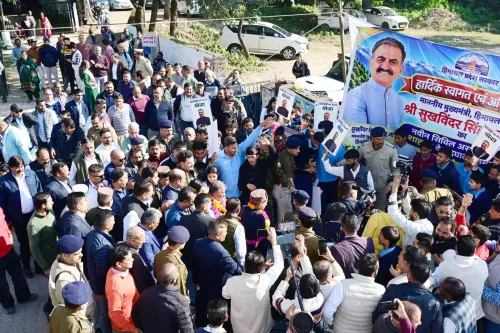
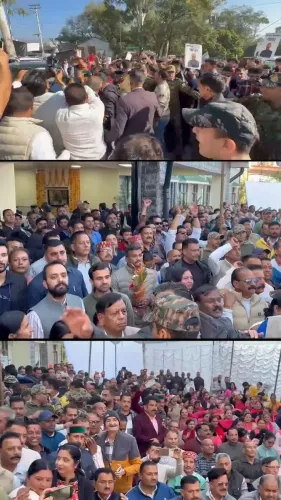
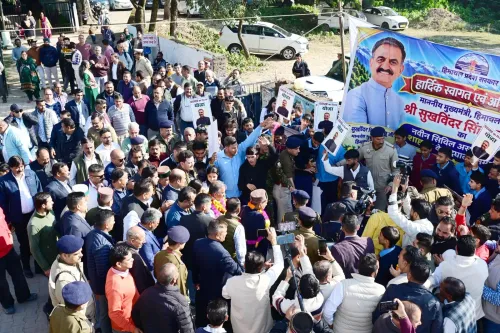
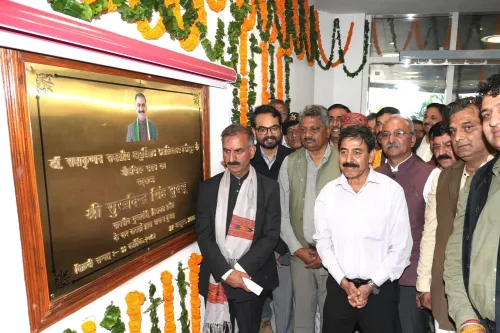
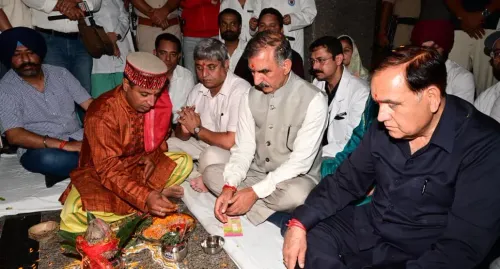
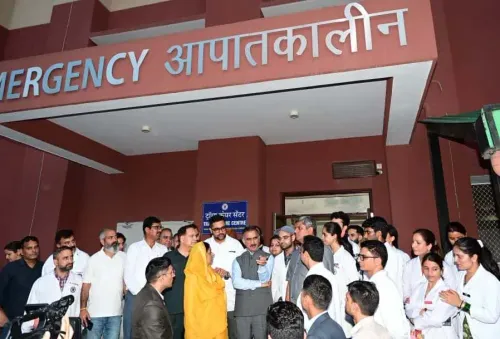
A government hospital in Shahpur, Kangra district got measurably bigger on Friday, 20 November 2026 — and for the rural families who travel hours to reach it, that matters enormously. Himachal Pradesh Chief Minister Sukhvinder Singh Sukhu inaugurated a newly constructed additional building at Civil Hospital Shahpur, expanding the facility's capacity to handle a growing patient load.
What the new building adds to Shahpur's health infrastructure
Posting on X, CM Sukhu said the new wing would 'aadharabhoot suvidhaon ka vistar' — expand the hospital's foundational facilities — and help the institution manage the rising number of patients 'in a better manner.' The core pitch was straightforward: 'Our effort is that common people and the needy receive timely, quality healthcare within their own region.'
Civil Hospital Shahpur serves Shahpur block and surrounding rural pockets of Kangra district, one of Himachal Pradesh's most populous. For many residents, it is the first point of contact with secondary care — the alternative being a long journey to a district hospital or medical college. An additional building directly addresses the capacity pinch those patients feel every day.
Who was in the room — and why it signals political priority
The inauguration drew a notable cross-section of the ruling establishment. Sports and Youth Services Minister Yadavinder Goma, local MLA Kewal Singh Pathania (who represents the Shahpur constituency), MLA Suresh Kumar, and MP Anurag Sharma were all present at the ceremony. A sitting chief minister at a district-level hospital inauguration, flanked by the sitting local legislator, signals that the government regards this as a deliverable worth political visibility — not a routine ribbon-cutting delegated down the chain.
The Congress government's district-hospital push since 2022
The Shahpur expansion fits a pattern. Since the Congress government took office in December 2022, Himachal Pradesh has pursued upgrades at district-level civil hospitals as a way to decentralise secondary care and ease pressure on the state's larger referral centres. The logic is structural: if a civil hospital in a block headquarters can handle more cases, fewer patients need to travel — and the system's upper tiers breathe easier.
That policy direction now has a visible brick-and-mortar expression in Shahpur. The question going forward is how quickly similar upgrades move through the pipeline at other civil hospitals the state has flagged in recent budget cycles.
Point of View
Countering criticism that hill-state healthcare remains centralised in Shimla and larger towns. By physically expanding a block-level facility in Kangra — the state's most populous district — the administration is making a geographic argument as much as a health-policy one. The presence of the CM himself, alongside the local MLA and an MP, transforms a construction milestone into a political statement about constituency delivery. Whether the capacity additions translate into measurable changes in patient referral patterns from Shahpur block will be the real test.
NationPress
20 Nov 2026
Frequently Asked Questions
What was inaugurated by CM Sukhu in Shahpur?
CM Sukhvinder Singh Sukhu inaugurated a newly constructed additional building at Civil Hospital Shahpur in Kangra district, Himachal Pradesh, on 20 November 2026, to expand the hospital's basic facilities and patient-handling capacity.
Where is Civil Hospital Shahpur located?
Civil Hospital Shahpur is located in Shahpur, Kangra district, Himachal Pradesh. It serves Shahpur block and surrounding rural populations as a key secondary-care facility in the area.
Who attended the Civil Hospital Shahpur inauguration?
Along with CM Sukhu, those present included Sports and Youth Services Minister Yadavinder Goma, local MLA Kewal Singh Pathania, MLA Suresh Kumar, and MP Anurag Sharma.
What is the Himachal Pradesh government's healthcare policy for rural areas?
Since coming to power in December 2022, the Congress government in Himachal Pradesh has focused on expanding district-level civil hospitals to decentralise secondary care, reduce pressure on larger referral centres, and ensure residents receive timely treatment closer to home.
Why is expanding Civil Hospital Shahpur significant for Kangra district?
Kangra is one of Himachal Pradesh's most populous districts, and Shahpur's civil hospital is the primary secondary-care option for many rural residents. Expanding it reduces the need for patients to travel long distances to district or medical college hospitals.