CM Sukhu Restores Salaries, Cites Centre's RDG Stoppage
Synopsis
Himachal Pradesh CM Sukhvinder Singh Sukhu has withdrawn the state's partial salary-cut order and announced three months of arrears for senior officials, attributing the earlier austerity to the Centre halting approximately Rs 10,000 crore in Revenue Deficit Grants. His own pay cut stays.
Key Takeaways
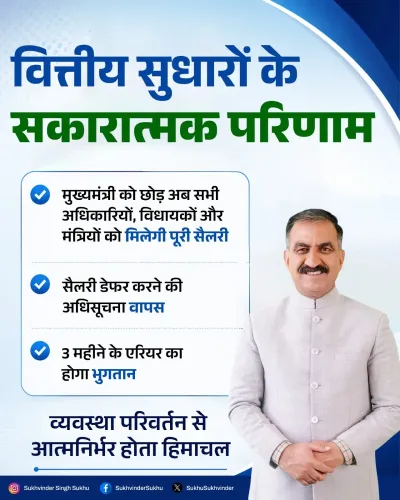
CM Sukhu announced withdrawal of the partial salary-cut notification for state government officials and elected representatives.
Chief Secretary, Additional Chief Secretaries, Deputy Commissioners, MLAs, and Ministers will receive salaries plus three months of arrears from next month.
The Centre has reportedly stopped releasing Revenue Deficit Grants worth approximately Rs 10,000 crore that Himachal Pradesh has received since 1952 .
CM Sukhu stated his own salary cut will continue despite the broader restoration.
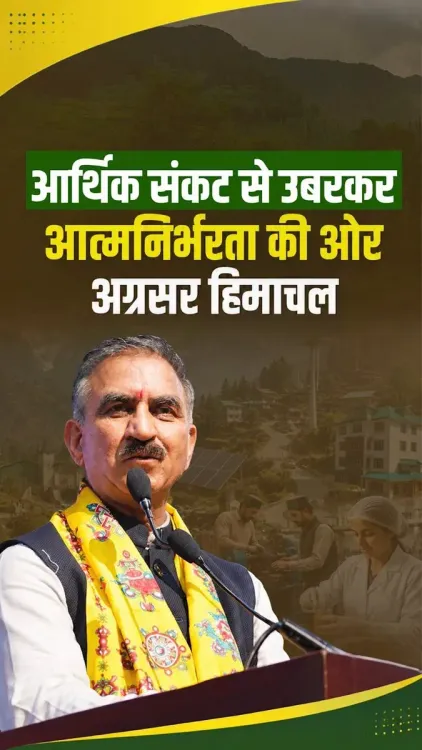
The government has committed to making Himachal Pradesh 'self-reliant' through firm fiscal decisions.
The 16th Finance Commission award will determine future RDG eligibility for the state beyond 2026.
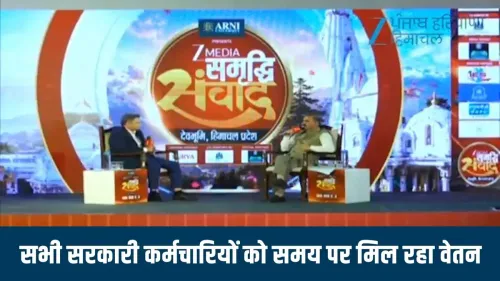
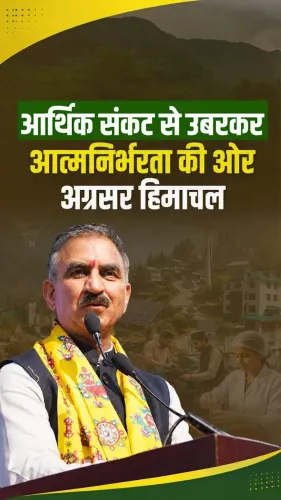
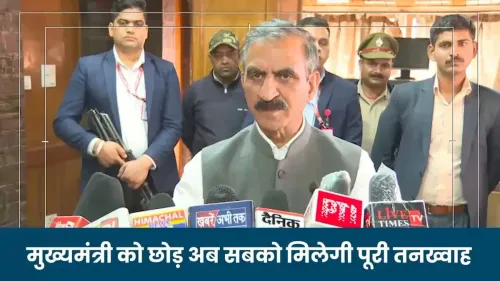
Himachal Pradesh Chief Minister Sukhvinder Singh Sukhu announced on Saturday, 13 June 2026 that the state government is withdrawing its earlier partial salary-cut notification and will release pending salaries — along with three months of arrears — to senior officials and elected representatives starting next month, even as he said the Centre has withheld Revenue Deficit Grants worth approximately Rs 10,000 crore that the state has been receiving since 1952.
Context
In a post on X, CM Sukhu stated: 'हिमाचल प्रदेश को वर्ष 1952 से लगभग 10 हजार करोड़ रुपये की RDG मिल रही थी, जिस पर केंद्र सरकार ने रोक लगा दी है' ['Himachal Pradesh has been receiving approximately Rs 10,000 crore in RDG since 1952, which the Central government has now stopped']. He added that despite this, the state had strengthened its economy through limited resources and financial discipline, and was now rolling back the partial salary-cut order. The Chief Minister also noted that his own salary cut would remain in place.
Policy Backdrop
The Revenue Deficit Grant (RDG) is an untied transfer recommended by successive Finance Commissions to states that report a revenue deficit after tax devolution and other central transfers. The 15th Finance Commission recommended RDG tranches for Himachal Pradesh covering the 2021–26 period, recognising the state's structural dependence on central support given its difficult terrain, limited tax base, and high per-unit cost of delivering public services. A stoppage or delay in these grants directly squeezes the state's ability to meet its committed expenditure, including salaries for government employees.
The dispute fits a broader pattern in which opposition-ruled states have publicly flagged delays or curtailment of Finance Commission-mandated transfers, framing it as a centre-state fiscal tension. Himachal Pradesh, governed by the Indian National Congress since December 2022, has been among the states most vocal about this pressure.
Stakeholders and Impact
The immediate beneficiaries of the salary restoration are the state's Chief Secretary, Additional Chief Secretaries, Deputy Commissioners, MLAs, and Cabinet Ministers, who will receive their regular salaries plus three months of arrears from next month. For the broader cadre of state government employees, the withdrawal of the partial salary-cut notification signals a degree of fiscal stabilisation after a period of austerity. CM Sukhu underscored that his own pay cut would continue, a gesture aimed at signalling personal accountability amid the fiscal strain.
The stoppage of RDG flows, if sustained, would widen the state's revenue gap and could force difficult trade-offs between capital spending and committed liabilities in the 2026–27 budget cycle. Himachal Pradesh's economy is heavily reliant on horticulture, tourism, and hydropower, sectors that require sustained public investment to remain competitive.
What's Next
The outcome of 16th Finance Commission deliberations will be closely watched, as the new award period will determine the quantum and eligibility of RDG for states like Himachal Pradesh beyond 2026. Any supplementary grant announcements in the 2026–27 Union Budget could also partially offset the impact of the current stoppage. CM Sukhu closed his post with a firm commitment: 'हमारी सरकार हिमाचल प्रदेश को आत्मनिर्भर बनाने के लिए सभी आवश्यक निर्णय दृढ़ निश्चय के साथ लेगी' ['Our government will take all necessary decisions with firm resolve to make Himachal Pradesh self-reliant'], signalling that the state intends to reduce its structural dependence on central transfers over the medium term.
Point of View
He frames fiscal austerity as an externally imposed burden rather than a governance failure. The decision to keep his own pay cut intact adds a layer of personal accountability that insulates the move from easy criticism. This follows a well-worn Congress playbook of publicly contesting BJP-led central government transfer decisions, and the timing — ahead of likely 16th Finance Commission consultations — gives the state a stronger negotiating posture. Whether Himachal Pradesh can credibly chart a path to fiscal self-reliance without structural reforms to its revenue base remains the harder, longer-term question.
NationPress
19 Sept 2026
Frequently Asked Questions
What is Revenue Deficit Grant and why does Himachal Pradesh receive it?
Revenue Deficit Grant (RDG) is an untied transfer from the Centre to states that report a revenue deficit after tax devolution, as recommended by the Finance Commission. Himachal Pradesh receives it because its difficult terrain, small tax base, and high cost of public service delivery leave a structural gap between its revenues and expenditure.
Why did Himachal Pradesh cut government salaries?
The state had introduced a partial salary-cut notification to manage a fiscal squeeze, which CM Sukhu has now attributed largely to the Centre stopping Revenue Deficit Grant releases worth approximately Rs 10,000 crore.
Who will get salary arrears in Himachal Pradesh?
Chief Secretary, Additional Chief Secretaries, Deputy Commissioners, MLAs, and Cabinet Ministers will receive their restored salaries along with three months of arrears starting next month, according to CM Sukhu's announcement.
Will CM Sukhu also get his salary restored?
No. CM Sukhu explicitly stated that the cut in his own salary will continue even as the partial salary-cut notification for other officials and elected representatives is withdrawn.
What is the 16th Finance Commission and how does it affect Himachal Pradesh?
The 16th Finance Commission will determine the formula for central transfers, including Revenue Deficit Grants, for the period beyond 2026. Its recommendations will directly shape how much untied support Himachal Pradesh receives from the Centre in the coming years.