CM Sukhu Warns BBMB: HP Will Not Cede Asset Rights
Synopsis
Chief Minister Sukhvinder Singh Sukhu on 16 July 2026 issued a sharp public warning to the Bhakra Beas Management Board, stating Himachal Pradesh will not tolerate any evasion on its rights over shared hydro assets, framing the dispute as a matter of state dignity and self-respect.
Key Takeaways
CM Sukhvinder Singh Sukhu publicly warned the BBMB on 16 July 2026 that 'there will be no evasion' on Himachal's asset rights.
He stated the government was elected to protect state wealth, not sell or divide it.
The dispute is rooted in the Punjab Reorganisation Act, 1966 , which gave Himachal Pradesh an initial 7.19 percent power share from BBMB projects.
Himachal governments across parties have long sought enhanced royalties and greater decision-making parity within the BBMB framework.
The CM framed the matter as one of 'rights and self-respect' of the people of Himachal Pradesh, escalating its political salience.
The next BBMB board meeting and any legal or ministerial follow-up will be key indicators of how the dispute develops.
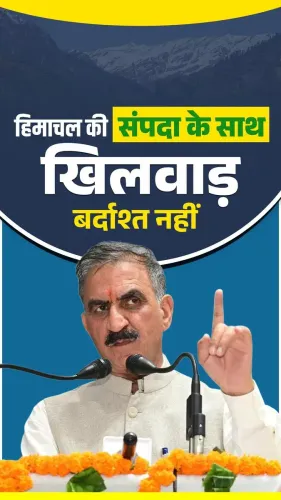
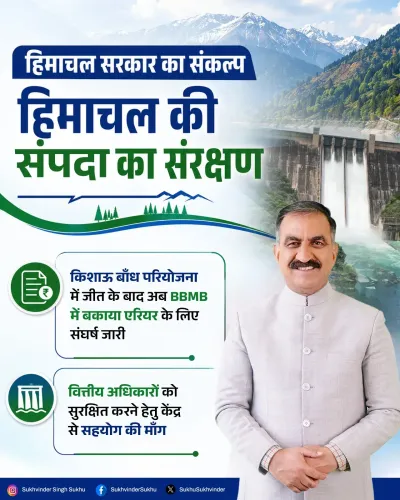
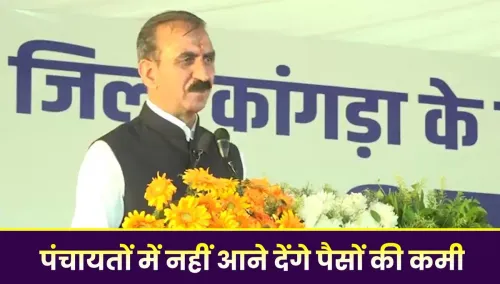
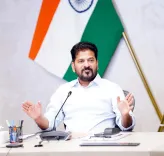
The Chief Minister's Office of Himachal Pradesh posted on X on Thursday, 16 July 2026, sharing a firm statement from Chief Minister Thakur Sukhvinder Singh Sukhu warning the Bhakra Beas Management Board (BBMB) against any move to dilute the state's rights over shared hydro assets, declaring that the people of Himachal Pradesh elected the government to protect — not sell or divide — this wealth.
In the post, CM Sukhu stated in Hindi: 'इस मामले में BBMB की कोई आनाकानी नहीं चलेगी' — 'There will be no evasion by BBMB in this matter.' He added that the question is one of 'the rights and self-respect of the people of Himachal' and that the government would not retreat.
Context
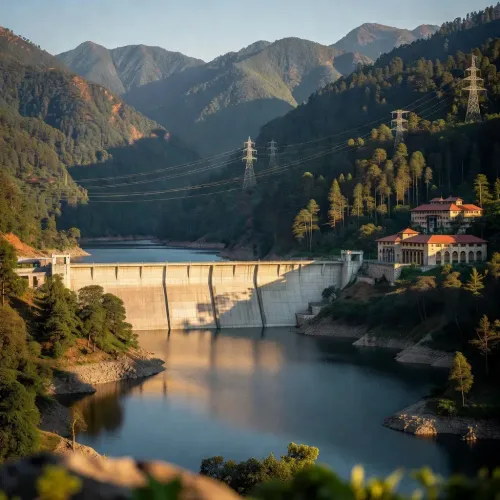
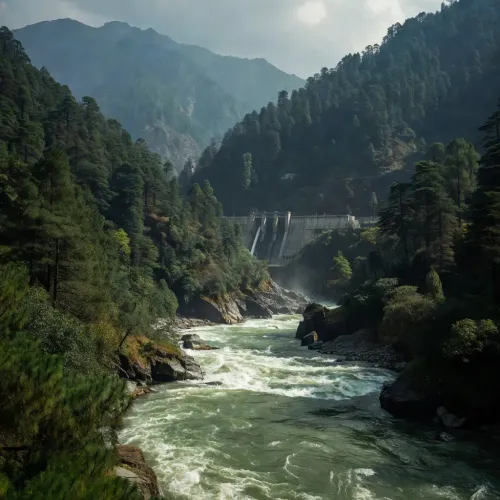
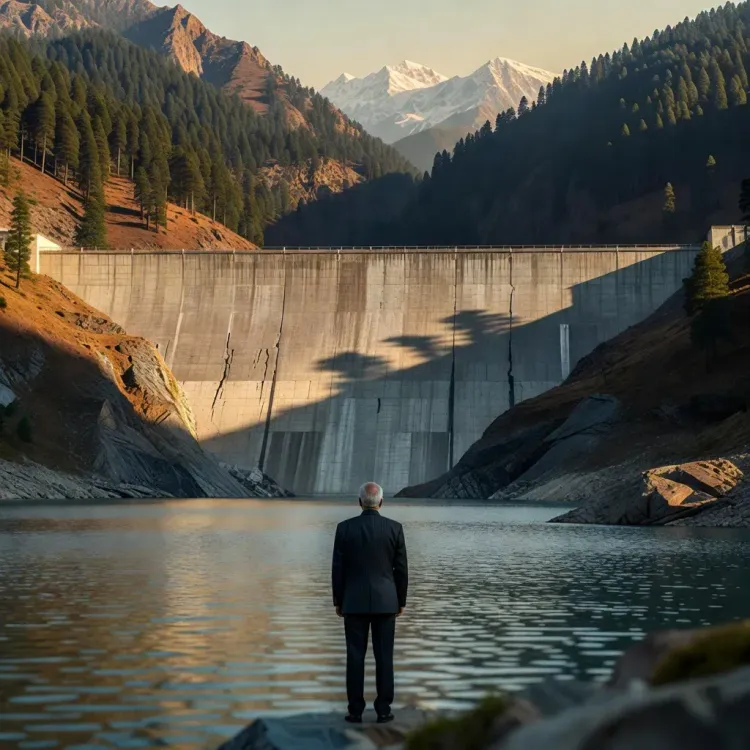
The statement comes amid a broader, long-running dispute between Himachal Pradesh and the BBMB over operational control, revenue shares, and asset ownership from hydroelectric projects physically located within the state's territory. The BBMB is a statutory body constituted under the Punjab Reorganisation Act, 1966 to manage the Bhakra-Nangal and Beas projects, with power shares distributed among Punjab, Haryana, Rajasthan, and Himachal Pradesh.
At the time of BBMB's formation, Himachal Pradesh was allocated an initial power share of 7.19 percent from common projects — a figure the state has contested repeatedly over the decades as inadequate given that the dams sit on its soil.
Policy Backdrop
Successive Himachal governments — across party lines — have pushed for enhanced royalties, greater decision-making parity, and clearer asset ownership from BBMB projects. Periodic revisions to BBMB agreements through the 1970s and 1990s addressed some concerns but left core questions of territorial sovereignty and revenue equity unresolved.
Inter-state river-basin institutions across India face similar pressures from upstream states seeking a larger share of benefits from projects on their land. The BBMB case is among the oldest and most politically charged of these disputes, involving three states and a union territory with competing claims over water and power.
Stakeholders and Impact
The most directly affected are Himachal Pradesh's residents, who have long been told by successive state governments that the royalties and control arrangements with BBMB undervalue the state's contribution of land, water, and ecological cost. The hydro power sector — a cornerstone of the state's economy — is central to this debate.
CM Sukhu's language is notably sharp: invoking 'swabhimaan' (self-respect) signals that the government intends to frame this as a matter of state dignity rather than a technical administrative dispute, raising the political stakes for both the state and the BBMB board.
What's Next
The next scheduled BBMB board meeting will be closely watched for any formal response to Himachal Pradesh's position. Observers will also monitor whether the state government follows up with legal filings, formal correspondence to the Union Ministry of Power, or a resolution in the state assembly.
With CM Sukhu publicly committing that the government 'will not step back', the dispute is likely to escalate beyond routine inter-state negotiation — potentially drawing in the central government as mediator or adjudicator in the months ahead.
Point of View
Rather than a formal inter-governmental communication, suggests the Himachal government is deliberately raising the temperature to force a response from the BBMB or the Union government. This fits a broader pattern across India where state governments use social media declarations to pre-empt institutional pushback and build domestic political capital simultaneously. The Congress government in Shimla, facing its own mid-term pressures, has a clear incentive to be seen fighting assertively for state resources.
NationPress
15 Oct 2026
Frequently Asked Questions
What is the BBMB and why is Himachal Pradesh in dispute with it?
The Bhakra Beas Management Board (BBMB) is a statutory body set up in 1966 to manage the Bhakra-Nangal and Beas hydroelectric projects shared by Punjab, Haryana, Rajasthan, and Himachal Pradesh. Himachal Pradesh has long disputed its power share and royalty arrangements, arguing the state deserves greater benefits since the dams are located on its territory.
What did CM Sukhu say about BBMB on 16 July 2026?
CM Sukhvinder Singh Sukhu warned that 'there will be no evasion by BBMB in this matter,' stating that the government was elected to protect Himachal's assets, not sell or divide them, and that the state would not retreat on this issue.
What is Himachal Pradesh's power share from BBMB projects?
Himachal Pradesh was initially allocated a 7.19 percent share of power from common BBMB projects under the Punjab Reorganisation Act, 1966 — a share the state has repeatedly sought to revise upward.
What happens next in the Himachal-BBMB dispute?
The next BBMB board meeting will be a key moment to watch. Analysts also expect the Himachal government to potentially file formal complaints with the Union Ministry of Power or pursue legal remedies if the board does not respond to the state's position.
Which party governs Himachal Pradesh and who is the Chief Minister?
Himachal Pradesh is governed by the Indian National Congress, with Thakur Sukhvinder Singh Sukhu serving as Chief Minister since December 2022.